







A Season Cut Short
For mountaineers, the months of May and June represent a golden window. The harsh winter has receded, and the heavy monsoon is yet to arrive. This period typically offers stable weather, clear skies, and firm snow—ideal conditions for attempting peaks
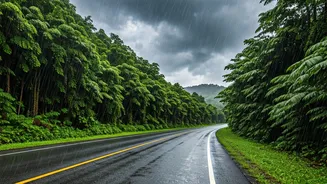
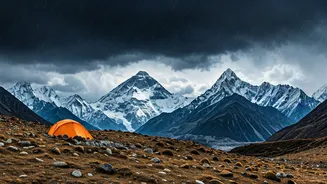
across Uttarakhand, Himachal Pradesh, and Sikkim. This year, however, that window slammed shut almost as soon as it opened. Teams that had spent months planning and acclimatising found themselves battling not just altitude, but continuous snowfall, torrential rain, and dangerously unstable conditions far earlier than anticipated. Reports flooded in from various base camps: expeditions to peaks like Mount Satopanth and even trekking routes in the Gangotri region were being called off as conditions became untenable.
The Meteorological Anomaly
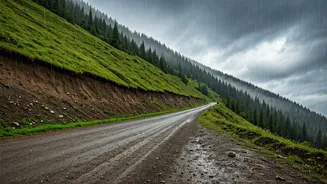
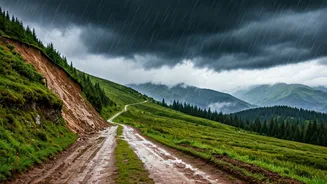
So, what caused this sudden and severe shift? The culprit was a combination of atmospheric factors that conspired to bring monsoon-like conditions to the high mountains weeks ahead of schedule. According to the India Meteorological Department (IMD) and climate scientists, the pre-monsoon season was marked by an unusual interaction between weather systems. While Western Disturbances—extratropical storms originating in the Mediterranean region that bring winter precipitation to North India—were weaker than usual, there was an abnormally strong and early influx of moisture from the Bay of Bengal. This moisture-laden easterly wind clashed with the existing atmospheric conditions over the mountains, triggering widespread and intense precipitation. Instead of the sporadic, light showers typical for May, the Himalayas received prolonged, heavy downpours and significant high-altitude snowfall.
The Peril on the Slopes
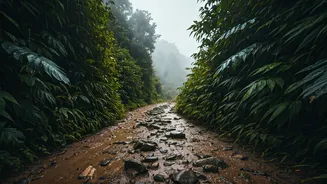
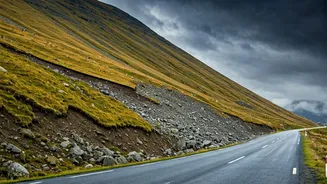
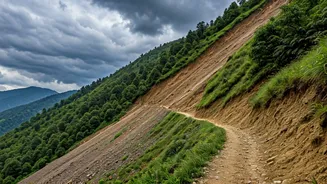
For a climber, this is more than just an inconvenience; it’s a direct threat to life. The early, heavy precipitation created a host of dangers. Fresh, unconsolidated snow sitting on top of older ice layers dramatically increases the risk of avalanches. What should be firm, icy slopes become treacherous fields of deep, soft snow, making progress exhausting and slow. Ropes fixed to the mountain can get buried, and visibility can drop to near zero in whiteout conditions. Furthermore, rain at lower altitudes makes rock faces slippery and hazardous while swelling glacial streams, making river crossings perilous. Faced with these unacceptable risks, expedition leaders had no choice but to make the difficult call to retreat. The priority in mountaineering is always safety, and the mountain’s message was clear: turn back.
Economic Impact on Mountain Communities
The disruption extends far beyond the climbers themselves. A truncated climbing season is a severe economic blow to the fragile local economies of the Himalayan region. Guides, porters, cooks, mule owners, and guesthouse operators in hubs like Uttarkashi, Joshimath, and Manali rely heavily on the income generated during these few short months. An expedition is a complex logistical operation that supports a wide network of local professionals. When expeditions are cancelled, this entire support chain suffers. The financial losses incurred can be devastating for families who have few alternative sources of income for the rest of an unpredictable year.
Is This the New Normal?
While it is difficult to attribute any single weather event directly to climate change, this year’s disruption is consistent with what climate models predict for the Himalayan region: more erratic, unpredictable, and intense weather patterns. Scientists have been warning for years that global warming is making the monsoon more volatile and weather windows for activities like mountaineering more narrow and unreliable. The timing of seasonal snowmelt, the intensity of rainfall, and the stability of the glaciers are all in flux. This event serves as a stark reminder of the Himalayas’ sensitivity to a changing climate, forcing the mountaineering community to reconsider traditional climbing seasons and strategies.