



The Search for Authenticity
At the heart of this movement is a deep-seated desire for individuality. In a world where fast fashion giants stock identical items across thousands of stores, the appeal of having a unique look has grown exponentially. Young Indians are actively seeking
ways to express their personality through their clothes, rather than adopting a pre-packaged identity from a mannequin. This has fuelled a 'treasure hunt' mentality, where the goal is to find pieces that tell a story and stand apart from the crowd. This quest for authenticity is a direct rebellion against the uniformity of mass-produced apparel, turning style into a form of personal branding.
Sustainability as a Style Statement
The environmental cost of fashion is no longer an industry secret. With growing awareness about textile waste and the carbon footprint of rapid production cycles, many young consumers are making more conscious choices. This generation increasingly views sustainability not as a compromise, but as a core value that shapes their purchasing habits. Choosing slow fashion, investing in timeless pieces, or participating in the circular economy has become a statement in itself. It’s a move away from mindless consumption towards a more mindful wardrobe, where quality and ethical production are prioritized over fleeting fads. This eco-consciousness makes personal style feel responsible and rewarding.
The Thrifting Revolution
Once seen as purely for budget shopping, thrifting has been rebranded as a cool and savvy way to build a unique wardrobe. Driven by Instagram stores and a generation comfortable with digital marketplaces, the pre-owned clothing market in India is booming. Thrifting offers the perfect blend of affordability, sustainability, and exclusivity. For students and young professionals managing tight budgets, it provides access to high-quality or branded items at a fraction of the retail price. More importantly, it guarantees that the pieces they find are often one-of-a-kind, making it a powerful tool for crafting a distinct personal style.
Redefining Heritage
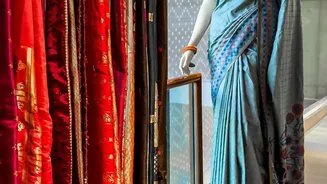
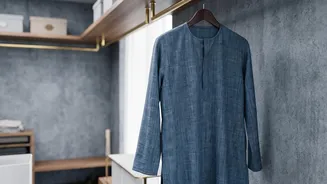
This turn towards personal style is also intertwined with a renewed appreciation for India's rich textile heritage. Instead of looking solely to Western trends, many are now looking inward, incorporating traditional fabrics and crafts into modern, everyday wear. Handloom textiles like Khadi, intricate local embroidery, and classic block prints are being styled in contemporary ways—think a Banarasi fabric paired with denim or a handwoven jacket worn over a simple dress. This fusion allows for a style that is both deeply personal and culturally rooted, creating a narrative that fast fashion simply cannot replicate.
The Influence of a New-Wave Creator
While social media is often blamed for accelerating trend cycles, it is also the platform where this counter-movement thrives. A new generation of Indian fashion influencers is championing authenticity over imitation. Many creators have built massive followings by focusing on personal style, body positivity, and conscious consumption rather than just pushing the latest 'it' item. They share thrift hauls, upcycling tutorials, and tips on how to style existing clothes in new ways, empowering their audience to develop their own sense of style rather than just copying someone else's.