



First, What Is a Single-Estate Tea?
Before we dive into the blend, let’s talk about the base. Unlike most commercial teas, which are blended from various gardens to create a consistent flavour year-round, a single-estate tea comes from one specific tea garden. Think of it like a single-origin
wine; you are tasting the unique character of a particular place, or its 'terroir'. This includes the soil, climate, and altitude, all of which give the tea a distinctive and often complex flavour profile that can't be replicated. For a growing number of Indian consumers, this traceability matters. It’s a mark of authenticity and quality, a guarantee that what’s in their cup is pure and has a specific origin story.
The Power of Provenance
The rise of single-estate tea is part of a larger global movement towards conscious consumption. People want to know where their food comes from, and tea is no exception. This desire for transparency has fueled the popularity of teas from specific, high-quality estates in regions like Darjeeling, Assam, and the Nilgiris. These teas offer a direct connection to the land and the craftspeople who produced them. As the Indian specialty tea market grows, driven by younger consumers interested in authenticity and wellness, single-origin teas have gained significant visibility. This appreciation for provenance sets the stage for blends that are thoughtful and intentional, rather than designed to mask the quality of the base tea.
Tulsi and Lemongrass: A Timeless Duo
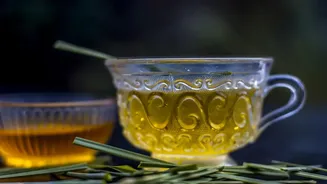
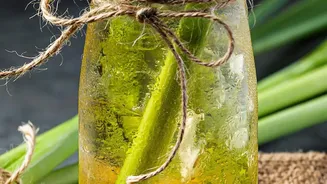
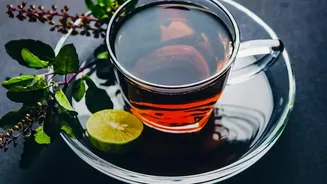
Enter Tulsi (Holy Basil) and Lemongrass. Long before they became stars in trendy cafes, these herbs were staples in Indian households, revered for their powerful wellness properties in Ayurvedic tradition. Tulsi is celebrated as an adaptogen, an herb that helps the body manage stress and promotes mental clarity. It has a complex, slightly peppery and clove-like flavour. Lemongrass, with its bright, citrusy aroma, is known for its calming properties and ability to aid digestion. Together, they create a brew that is both soothing and uplifting, a perfect antidote to the midafternoon slump. Their benefits are extensive, from boosting immunity to reducing inflammation, making them a natural choice for health-conscious individuals.
A Match Made in a Teacup
The genius of this blend lies in its balance. The nuanced, delicate notes of a single-estate tea, whether it's a floral Darjeeling or a malty Assam, need a partner that complements rather than overpowers. The fresh, zesty profile of lemongrass and the herbaceous, spicy notes of tulsi do just that. They lift and enhance the tea's natural flavours, creating a multi-layered sensory experience. This isn't your heavily spiced masala chai; it's a more refined infusion where every ingredient gets a chance to shine. The result is a beverage that feels both traditional and contemporary—a taste of home, but elevated for a modern palate. It’s a clean, refreshing brew that aligns with a modern wellness lifestyle without sacrificing flavour.
The Modern Afternoon Ritual
The concept of afternoon tea in India is evolving. While the traditional 'chai nashta' remains a beloved ritual, a new kind of tea break is emerging in upscale hotels, independent cafes, and even at home. This modern ritual is less about a heavy meal and more about taking a mindful pause in the day. It's a moment of quiet indulgence and self-care. The single-estate tea blend with tulsi and lemongrass fits this new narrative perfectly. It’s caffeine-free or low-caffeine, hydrating, and packed with health benefits, offering a sense of rejuvenation without the subsequent crash. As Indian consumers become more adventurous, the demand for unique, high-quality tea experiences is on the rise, and this blend delivers on all fronts: wellness, flavour, and a story worth savouring.