




What Exactly Is Creatine?
Before thinking of it as a supplement, it’s important to know that creatine is a natural compound your body already produces. Made from amino acids in the liver, kidneys, and pancreas, it's found in small amounts in foods like red meat and seafood. Most
of the creatine in your body is stored in your muscles. The supplement form, creatine monohydrate, is simply creatine bound to a water molecule, a stable and well-researched version considered the gold standard. When you supplement, you are essentially topping up your body’s natural reserves to make more available for when you need it most. A typical diet provides 1-2 grams daily, which leaves muscle stores only about 60-80% saturated; supplementation helps close that gap.
The Body’s Rapid Energy Recycler
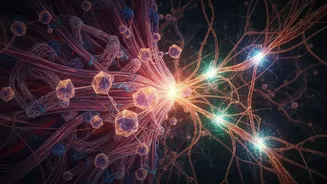
At its core, creatine’s job is all about energy recycling. Every time you move, especially during quick, intense efforts like lifting a weight or sprinting, your cells use a molecule called adenosine triphosphate (ATP) as fuel. Think of ATP as the direct energy currency for your cells. The problem is, your muscles only store enough ATP for a few seconds of maximum effort. After it's 'spent', ATP becomes adenosine diphosphate (ADP). This is where creatine comes in. Your body stores most of its creatine as phosphocreatine. This form holds onto a high-energy phosphate group that it can donate to ADP, rapidly turning it back into usable ATP. This quick recycling process allows your muscles to sustain high-power output for longer than they otherwise could.
More Power for Your Muscles
The link between creatine and muscle strength is direct and extensively proven. By increasing the available pool of phosphocreatine, supplementation allows you to regenerate ATP faster during a tough workout. This translates to tangible performance benefits: you might be able to complete one or two more reps in a heavy set or maintain your sprint speed for a bit longer. Over time, this ability to do more work during training sessions stimulates greater gains in muscle strength and size. Creatine also draws water into muscle cells, a process called cell volumization. This intracellular hydration isn't the same as bloating; it supports protein synthesis and reduces muscle protein breakdown, creating a better environment for growth.
A Surprising Boost for the Brain
The same energy-recycling system that powers your muscles also fuels your brain. As a high-energy organ, the brain relies heavily on ATP for demanding cognitive tasks. Research shows that, just as in muscle, creatine supplementation can increase creatine stores in the brain, supporting its energy needs. While it's not a general 'smart drug', evidence points to specific benefits. A 2024 meta-analysis of 16 studies found that creatine supplementation provided a moderate-confidence improvement in memory. It also helped participants complete tasks faster, showing improvements in attention time and processing speed. However, the same analysis found no significant benefit for overall cognitive function or executive function, meaning the effects are targeted rather than broad.
Is It Safe and Who Is It For?
Creatine monohydrate is one of the most studied supplements and has a strong safety profile for long-term use in healthy adults at recommended doses (typically 3-5 grams per day). Concerns about kidney damage have not been supported by extensive research in healthy individuals. The most common side effect is slight weight gain from water being pulled into the muscles, which is part of its mechanism of action. It can be particularly beneficial for athletes in strength and power sports, as well as older adults looking to maintain muscle mass. Vegetarians and vegans may also see more pronounced benefits, as their baseline creatine levels are typically lower due to a lack of dietary sources like red meat.