



Your City, Your Observatory
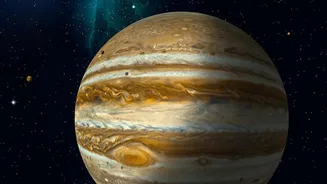
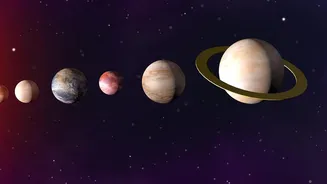
The glow of city lights can feel like a curtain drawn across the cosmos. This light pollution does obscure fainter stars, but it's no match for the brilliant light of planets in our own solar system. Jupiter, Venus, Saturn, and Mars are often bright enough
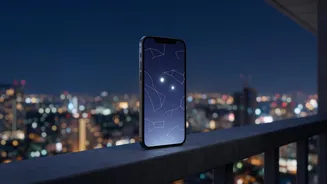
to cut through the urban haze, appearing as intensely bright 'stars' that don't twinkle. The biggest challenge isn't their brightness, but simply knowing what you're looking at. In the past, this required star charts and practice. Today, all you need is a clear night, a high vantage point like a rooftop or balcony, and an app that turns your phone into a powerful, portable planetarium.
The Best Free Apps for Urban Astronomers
An entire universe of stargazing apps is available, but many of the best are completely free. For beginners, the options can be overwhelming, but a few stand out for their user-friendliness and powerful features. Star Walk 2 is a fantastic choice for those just starting, offering beautiful augmented reality (AR) overlays that label celestial objects when you point your phone at them. Stellarium Mobile also offers a free version that is incredibly powerful, stemming from a desktop program used by astronomers for decades; its database is comprehensive and its interface is clean. For Android users who value simplicity above all, Google's Sky Map is a no-frills, ad-free option that does one thing well: it tells you what's in the sky. Another excellent all-arounder is Sky Tonight, which boasts a large free database and even provides a stargazing forecast based on weather and light pollution.
How to Spot a Planet in 5 Minutes
Once you've downloaded an app, the process is simple. First, find a spot with the clearest possible view of the sky, away from the direct glare of streetlights or building lights. Open your chosen app and grant it location access so it can calibrate to your position. Then, just point your phone towards a bright object in the sky. The app will use your phone's internal compass and gyroscope to display an AR overlay on your screen, identifying the object. You can tap on a planet like Jupiter or Venus to pull up detailed information, learning about its moons, composition, and mythology. Many apps also let you see the paths of satellites, including the International Space Station, as they glide across the sky.
Planets to Look For This Month
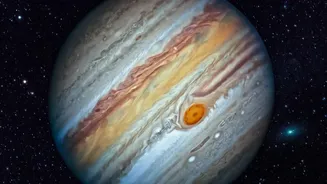
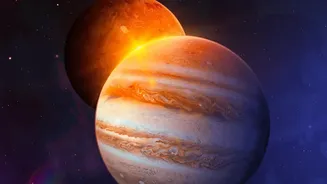
September 2026 is a fantastic month for urban planet-spotting. Venus will be stunningly bright in the western sky just after sunset, reaching its peak brilliance for the year. Yellowish Saturn will be visible for most of the night, rising in the east shortly after the sun goes down. For those willing to stay up late or wake up early, the pre-dawn sky offers even more. Very bright Jupiter and a reddish Mars will be visible in the east before sunrise. On some nights, you may even see the Moon pass close to these planets, creating a beautiful conjunction that is easily visible to the naked eye.
Tips for a Better Viewing Experience
To make the most of your rooftop stargazing session, a few simple tricks can make a big difference. Firstly, give your eyes time to adjust to the darkness. Spend at least 15 minutes away from bright screens or lights to improve your night vision. Secondly, check the weather. A clear, haze-free night is essential. Getting to the highest point possible, like a tall building's rooftop, will help you peer over the worst of the ground-level light pollution. Finally, be patient. While planets are easy to find, spotting constellations or fainter objects takes a little more time. Use your app as a guide and enjoy the process of learning the sky above your city.