







The Problem with a Fixed Position
For decades, the standard office has been built around one posture: sitting. This sedentary reality, however, comes with a host of problems. Sitting for prolonged periods is linked to significant health risks, including obesity, metabolic issues, and heart
disease. Beyond the long-term concerns, it creates immediate physical strain on the neck, shoulders, and back, leading to chronic discomfort and musculoskeletal issues. This physical stress isn't just a minor annoyance; it directly impacts your ability to concentrate. When your body is uncomfortable, it sends distraction signals to your brain, pulling your attention away from your tasks and reducing overall productivity.
Why Movement Boosts Your Brain
Our bodies are designed for movement. The connection between physical activity and cognitive function is well-established. When you change your posture—for example, by switching from sitting to standing—you improve blood circulation and increase oxygen flow to the brain. This simple act can have a profound effect, enhancing mental clarity, sharpening focus, and even sparking creative thought. Poor posture, such as slouching, compresses your chest and restricts breathing, which can leave you feeling lethargic and foggy. By creating an environment that encourages regular shifts in position, you are essentially giving your brain the fuel it needs to perform at its best, helping you stay engaged and alert throughout the day.
Defining the Dynamic Workspace
A dynamic workspace is one that facilitates easy and frequent changes in posture. The star player in this setup is the height-adjustable or sit-stand desk. These desks allow you to raise or lower your work surface with the touch of a button, making the transition from sitting to standing seamless. The goal isn't to stand all day, as that can cause its own fatigue in the feet, knees, and back. Instead, the real benefit lies in the ability to alternate postures regularly. This philosophy of adapting the workspace to the worker, rather than forcing the worker to adapt to a static environment, is the core of modern ergonomics. It empowers you to listen to your body and change your position whenever you feel restless or fatigued.
Finding Your Ideal Sit-Stand Rhythm
So, what's the perfect ratio of sitting to standing? There is no single magic number, but experts offer excellent starting points. One popular, research-backed model from Cornell University is the "20-8-2" rule: for every 30 minutes, you should sit for 20 minutes, stand for 8 minutes, and move or stretch for 2 minutes. Another simple approach is a 1:1 ratio, such as sitting for 30 minutes and then standing for 30 minutes. The key is consistency and frequency. Starting with short standing periods of 5-10 minutes every hour is a great way to begin. Ultimately, the best rhythm is the one you can sustain. Pay attention to your body's signals of fatigue or discomfort and adjust your routine accordingly.
Beyond the Desk: Other Ergonomic Essentials
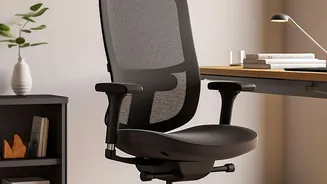
A sit-stand desk is a fantastic foundation, but a truly dynamic and comfortable workspace involves a few other key elements. An adjustable, ergonomic chair that provides good lumbar support is crucial for your sitting periods. Your monitor should be positioned correctly in both sitting and standing modes—generally at eye level and an arm's length away—which might require a monitor arm for easy adjustment. When you stand, supportive footwear and an anti-fatigue mat can significantly reduce strain on your legs and back. Finally, a footrest can be useful while standing, allowing you to shift your weight from one leg to another. Combining these elements creates a holistic system that supports your well-being and focus.