





What Are Dark Stores, and Why Bengaluru?
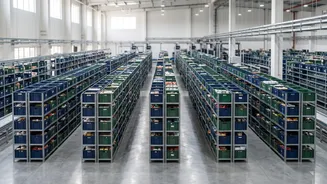
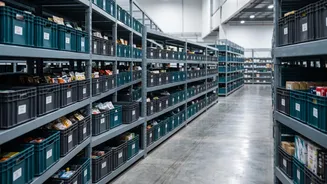
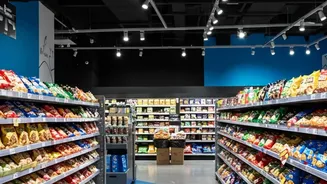
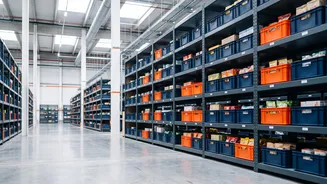
A 'dark store' is a small warehouse, typically 1,000-2,000 square feet, used exclusively for fulfilling online orders. There are no shoppers, only staff picking and packing items for 10-minute delivery. Bengaluru has become India's dark store capital,
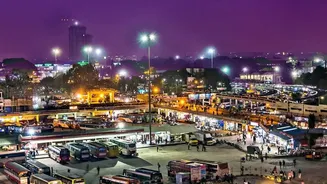
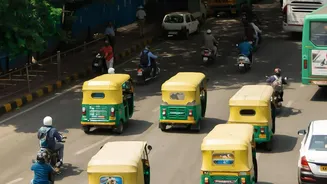
with over 629 locations—more than any other Indian city. This accounts for over 11% of the national total. The city’s notorious traffic, tech-savvy population, and high density of working professionals create the perfect conditions for quick commerce to thrive. For many, the convenience of avoiding a commute for daily essentials is a powerful draw. Companies like Blinkit, Zepto, Swiggy Instamart, and Flipkart Minutes are in a fierce battle for market share, opening new warehouses at an incredible pace.
A New Engine for Employment
This expansion is a significant job creator. Across India, the quick-commerce sector employs an estimated 56,000 to 112,000 workers in its dark stores, with a constant demand for new hires due to high attrition. In Bengaluru alone, the industry supports an estimated 6,300 to 12,600 dark store jobs. These roles range from entry-level positions like pickers, packers, and loaders to mid-level roles like shift supervisors and quality checkers, all the way up to store managers. For many, it provides a crucial entry point into the formal workforce, requiring minimal education—often just a 10th pass certificate—and offering the stability of a monthly salary with benefits like PF and ESI.
A Closer Look at the Jobs and Wages
The employment opportunities are plentiful, but it's important to understand the nature of the work. For in-store roles, salaries in Bengaluru typically range from ₹13,000-₹25,000 per month for entry-level positions like pickers and packers. Mid-level roles such as shift in-charge can earn up to ₹33,000, while experienced store managers can command salaries between ₹35,000 and ₹100,000 per month. However, the work environment is often high-pressure, with a relentless focus on speed. First-hand accounts from workers describe a fast-paced atmosphere where they are constantly timed and monitored, sometimes leading to a stressful work culture. High monthly attrition rates of 12-15% suggest that while jobs are easy to find, they can be difficult to sustain, with many workers switching between platforms for small pay increases.
The Two Sides of the Gig Economy
For delivery partners, the model is slightly different. They are typically gig workers, and their earnings are tied directly to the number of deliveries they complete. This incentive-based structure encourages speed and efficiency, but also creates what many describe as 'invisible pressure'. To maximize earnings, riders often work long hours, navigate congested streets at high speeds, and sometimes resort to risky driving, leading to safety concerns and friction with local residents. While the flexibility is a draw for many, the lack of a fixed salary and the constant hustle represent the challenging reality of the gig economy that powers quick commerce.
The Impact on the City Itself
The dark store boom is also physically reshaping Bengaluru's neighbourhoods. These companies are leasing small, ground-floor commercial spaces in dense residential areas, driving up rents by 20-25% in high-demand localities. While this benefits property owners, it also brings challenges. Residents in some areas have complained about increased traffic congestion, noise from delivery fleets, and large trucks replenishing stock at all hours. The rapid, and sometimes unregulated, placement of these commercial hubs in residential zones highlights a growing tension between a service designed for convenience and its impact on urban life.