






A Paddle with a Purpose
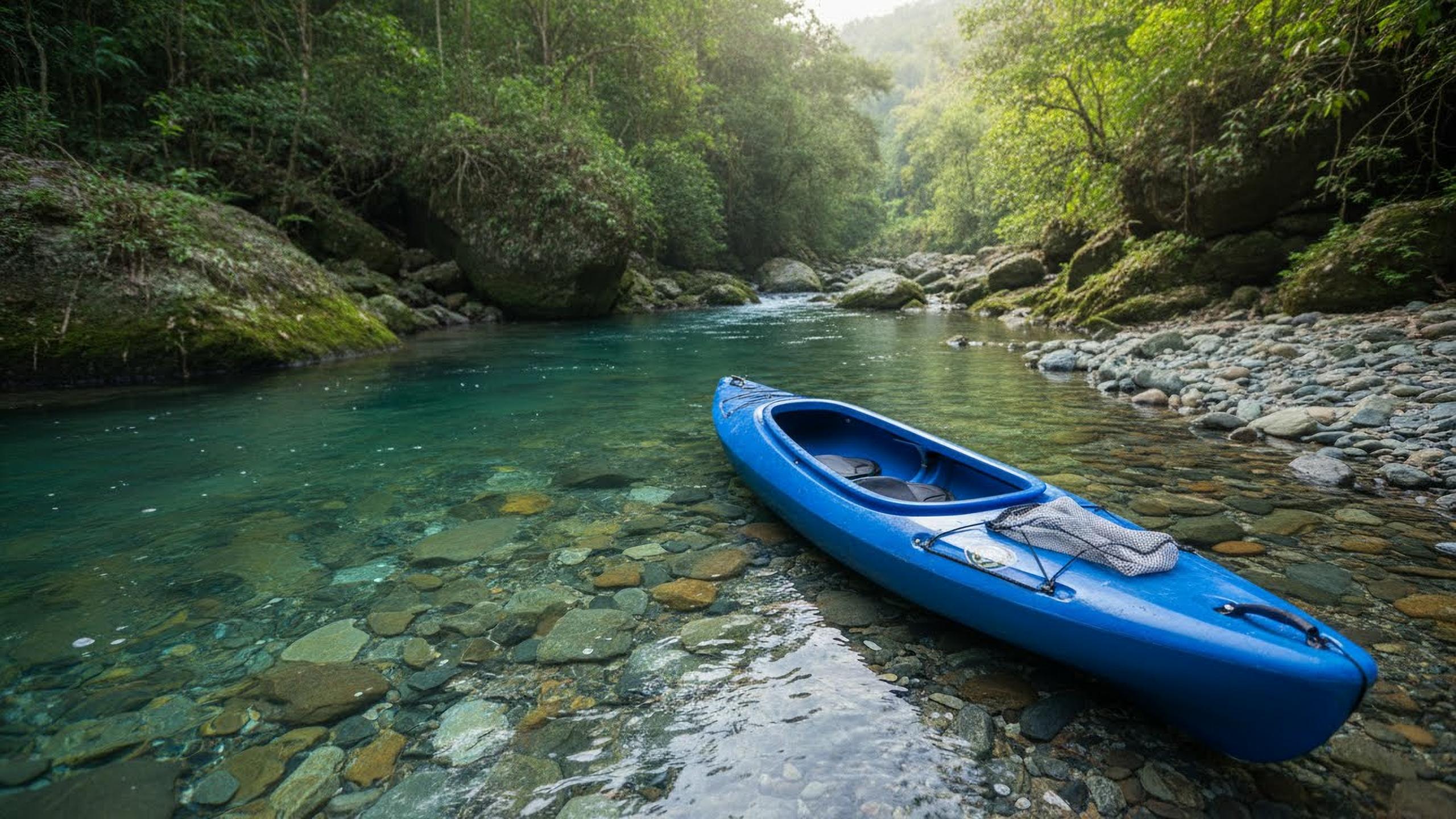
In the villages of Shnongpdeng and Dawki, kayaking is one of the most popular activities for visitors. The Umngot River, famous for its crystal-clear, emerald waters, provides a surreal boating experience where vessels seem to glide through the air. But
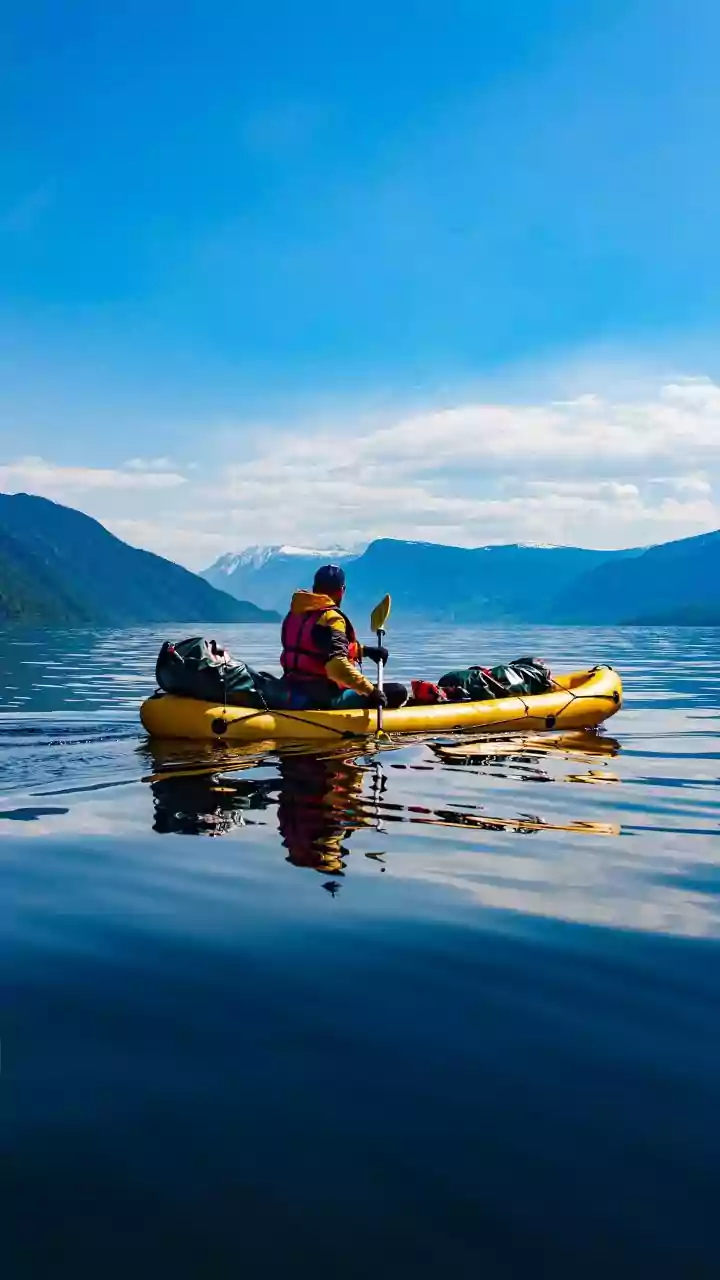
a new dimension is being added to this adventure. Inspired by a global push for responsible travel and a desire to protect this fragile ecosystem, local tour operators and conscious tourists are now turning their kayaking trips into cleanup missions. Armed with gloves and collection bags, paddlers are venturing out not just to soak in the scenery, but to actively preserve it. They navigate the calm waters, plucking out the stray plastic bottles and wrappers that threaten to tarnish the river's pristine reputation. It’s a simple act that transforms a leisure activity into a meaningful contribution.
The Rise of Eco-Adventure
This trend is part of a larger movement within Meghalaya towards sustainable, community-led tourism. The state government has actively empowered local communities to manage natural resources and create livelihoods through tourism, ensuring the benefits remain local. Initiatives like the Meghalaya Homestay Scheme have expanded accommodation options while creating thousands of local jobs. Adventure tour operators, such as Pioneer Adventure Tours, have established themselves in the region, offering a suite of activities from ziplining and scuba diving to, of course, kayaking in the Umngot. While not all tours are explicitly cleanup drives, the ethos of environmental respect is strong. Guides often educate tourists on the importance of conservation, and many travellers, inspired by the natural beauty, take it upon themselves to help maintain it.
A Fragile Paradise
The need for such action is becoming increasingly apparent. While the Umngot is still lauded as one of India's cleanest rivers, its popularity has brought challenges. Increased footfall inevitably leads to a greater risk of pollution. Incidents of tourists leaving behind trash have sparked concern among locals and environmentalists. The very clarity of the water makes any foreign object—a plastic bag, a discarded bottle—starkly visible, a wound on an otherwise perfect landscape. The local Khasi communities have long been stewards of this land, with villages like Mawlynnong earning the title of 'Asia's Cleanest Village' through rigorous community effort. The tourist-led cleanups are a modern extension of this traditional respect for nature, a collaboration between visitors and residents to combat the pressures of overtourism.
The Ripple Effect of Responsible Travel
The impact of these kayaking cleanups goes beyond the collected waste. For the tourists, it fosters a deeper connection to the place they are visiting. It transforms them from passive consumers of scenery into active custodians. This hands-on involvement is a powerful educational tool, highlighting the direct consequences of litter and the rewarding feeling of leaving a place better than you found it. For the local community, it's a welcome sign of solidarity. It shows that the visitors who come to admire their home are also willing to help protect it. This synergy is crucial for the long-term health of Meghalaya’s tourism, which relies heavily on its unparalleled natural beauty. As more travellers seek authentic and meaningful experiences, this blend of adventure and activism offers a powerful blueprint for the future of tourism—one where exploration and preservation go hand in hand.