





Harvest Every Drop
As rains grace the subcontinent, capturing this precious resource is the cornerstone of a sustainable monsoon. Rainwater harvesting has evolved from a traditional practice into an accessible modern solution for urban and rural homes alike. Simple systems
can be set up with a drum, a pipe from the terrace, and a filter to catch impurities. This collected water is perfect for gardening, cleaning cars, and flushing toilets, significantly reducing reliance on municipal supply and lowering water bills. For those with more space, installing recharge pits or wells helps replenish groundwater levels, a critical need in many parts of India facing water scarcity. Companies now offer scientifically engineered filter systems that are easy to install and maintain, making it simpler than ever to conserve thousands of litres of water each season.
Mastering Monsoon Composting
The high humidity of the monsoon can turn a healthy compost pile into a soggy, smelly mess. However, with a few adjustments, you can keep your compost thriving. The key is managing moisture. Ensure your compost bin or pile is covered with a waterproof but breathable lid or tarp to shield it from direct downpours. It's also crucial to balance the 'greens' (wet kitchen scraps) with plenty of 'browns' (dry materials). Before the rains begin, stockpile dry leaves, shredded cardboard, and newspaper. Adding these carbon-rich materials absorbs excess moisture, prevents compaction, and ensures proper aeration, which is essential for decomposition and avoiding foul odours. If your compost does get too wet, simply spread it out in a sheltered area to dry for a few days before returning it to the bin.
Natural Pest and Mosquito Control
The monsoon is peak season for mosquitoes and other pests, but you don't have to resort to chemical-laden repellents. The trend towards natural, plant-based solutions is growing, leveraging the power of traditional Indian knowledge. Essential oils like citronella, lemongrass, peppermint, and eucalyptus are highly effective at repelling mosquitoes. These can be used in diffusers, mixed with water to create room sprays, or found in commercially available herbal repellents that are safe for the whole family. For the garden, planting native species like vetiver, jamun, and arjun can help prevent soil erosion and manage water runoff naturally. Many of these plants have deep root systems that hold the soil together, acting as a living defence against the intense downpours of the season.
Mindful Home and Garden Care
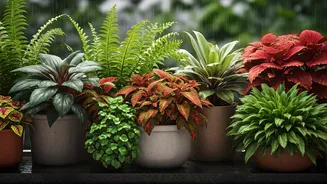
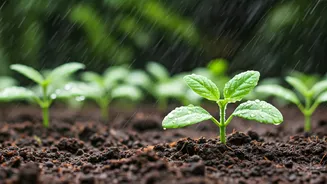
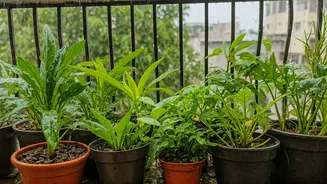
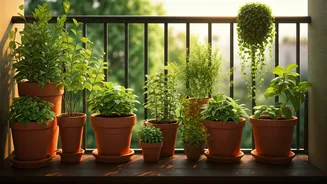
A green monsoon extends to how we care for our indoor and outdoor spaces. Instead of chemical fungicides to combat dampness and mould, use natural solutions like vinegar sprays and ensure good ventilation. The increased moisture also makes it an ideal time for gardening. Planting monsoon-specific vegetables and flowers not only beautifies your surroundings but also connects you to the season's natural cycles. Consider creating a small rain garden, a shallow depression with deep-rooted native plants and shrubs. This attractive feature helps filter runoff from your roof or driveway, allowing water to soak gently into the soil, preventing waterlogging and recharging local groundwater. These small green patches also attract birds and butterflies, turning your home into a mini-ecosystem.