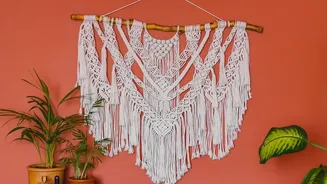

The Challenge of Humidity
Before swapping materials, it's crucial to understand what you're up against. High humidity means there is excess moisture in the air. Porous materials like untreated wood, natural fibre rugs, and certain fabrics absorb this moisture. This leads to swelling,
warping, and the ideal breeding ground for mould and mildew, which can cause musty odours and health issues. The goal of a monsoon decor shift is to choose materials that either resist moisture absorption or allow it to evaporate quickly. Simple preventative measures, like ensuring good ventilation and keeping furniture a few inches away from damp walls, can also make a significant difference.
Rethinking Wood and Furniture
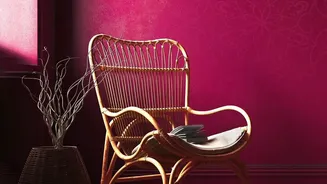
Solid wood furniture is a classic choice, but it's particularly vulnerable to swelling and warping in damp conditions. While woods like teak are naturally rich in oils that repel water, making them a durable, premium choice, other options are often more practical. Engineered wood, for instance, is constructed with layers that resist the expansion and contraction caused by humidity changes, making it a more stable choice for flooring and furniture in monsoon-prone regions. Another popular and resilient choice is synthetic or resin wicker, often built on a powder-coated aluminium frame. Unlike natural rattan, which can rot, all-weather wicker is made from plastics like PVC that are impervious to moisture.
Choosing the Right Fabrics
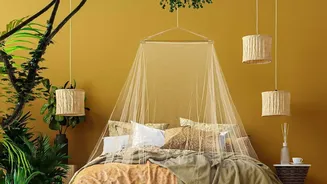
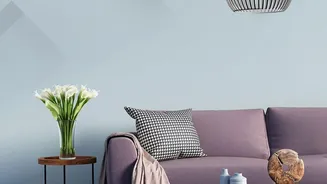
Heavy curtains and thick upholstery can become moisture magnets during the monsoon, leading to dampness and unpleasant smells. The smart shift is towards lighter, more breathable fabrics. Sheer or lace curtains are a great alternative to heavy drapes, as they allow air to circulate and let in precious light on gloomy days. For upholstery, cushion covers, and throws, fabrics like cotton, linen, and rayon are excellent choices. They are lightweight, absorbent, and dry relatively quickly. While 100% cotton can sometimes retain moisture, cotton blends with polyester or rayon offer improved quick-drying properties, making them ideal for the season. For sofas in rooms without constant air conditioning, breathable fabrics like linen are often superior to leather, which can feel sticky in high humidity.
Metals and Finishes that Last
Humidity doesn't just affect wood and fabric; it can also cause metal decor and hardware to rust and corrode. The monsoon decor shift involves opting for metals that are inherently rust-resistant. Aluminium is a standout choice because it does not contain iron and therefore cannot rust. A powder-coated finish adds an extra layer of protection, making it perfect for furniture frames, window frames, and decorative items. Stainless steel is another excellent option for hardware, fixtures, and fasteners, as it's designed to resist corrosion. When choosing decor accents, favour these metals over untreated iron or steel to ensure they remain beautiful throughout the season and beyond.
Walls, Floors, and Final Touches
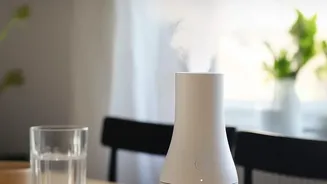
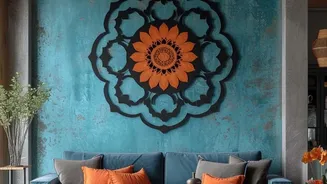
Floors and walls are the largest surfaces in your home and require special consideration. While wall-to-wall carpeting is a major risk for mould, lightweight cotton rugs or dhurries can add colour and warmth while being easy to clean and dry. For flooring, ceramic or porcelain tiles are waterproof and low-maintenance. For those who love the look of wood, luxury vinyl planks or engineered hardwood are more moisture-resistant than solid wood. On walls, using lime plaster or paints with mildew inhibitors can help prevent fungal growth. Finally, embrace the season by introducing pops of bright colour through cushions or art to combat the grey skies, and use scented candles or diffusers to keep your home smelling fresh.