
Choosing the Perfect Teas
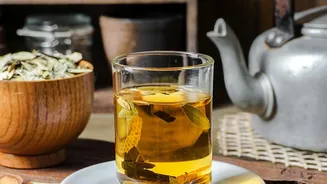
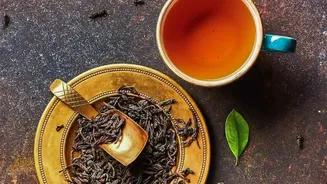
The heart of your tasting is, of course, the tea. For a blind tasting, aim for three to five different varieties. This is enough for comparison without overwhelming the palate. A great way to structure the experience is by choosing a theme. You could
explore a single type of tea from different regions, such as black teas from Assam, Darjeeling, and Nilgiri. This allows guests to appreciate the subtle differences terroir makes. Alternatively, you could present a spectrum of tea types, like a light green tea, a floral oolong, and a robust black tea. For beginners, it's wise to select teas known for being approachable and forgiving, like a smooth English Breakfast, a fragrant Jasmine Green, or a classic Masala Chai blend. The key is variety and contrast, setting the stage for discovery.
Setting the Stage for Mystery
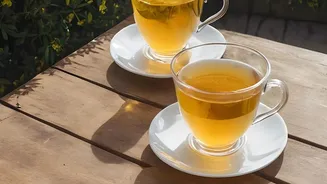
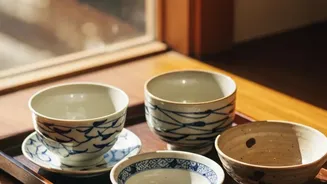
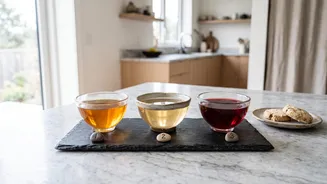
A little preparation makes the blind tasting feel seamless and special. You don't need professional equipment; just a few key items will suffice. You will need a separate, clean cup for each tea, per guest—white or clear cups work best to appreciate the colour of the liquor. You'll also need teapots or infusers, a kettle for hot water, and notepads and pens for your guests. To maintain the mystery, prepare the teas out of sight. Assign a number or a letter to each tea and label the bottom of the cups or serving pots accordingly. Keep a 'key' for yourself to reveal the identities at the end. This simple setup removes any preconceptions about packaging or price, allowing your guests to focus purely on what's in the cup.
Brewing for Consistency
To ensure a fair comparison, standardise the brewing process as much as possible. This means using the same amount of tea leaf for each pot (a good rule of thumb is one teaspoon per cup) and steeping them for the recommended time. Water temperature is also crucial. Black and herbal teas generally do well with near-boiling water, while delicate green teas require cooler water (around 70-85°C) to avoid bitterness. Brew all the teas just before you plan to serve them, pouring them into their coded cups or pots. It’s best to present the teas from lightest to darkest to avoid overwhelming the palate early on.
Guiding Your Guests Through the Senses
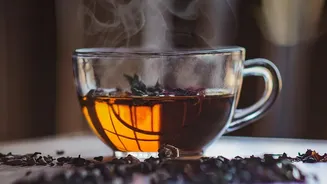
Once everyone is seated, guide them through a simple, mindful tasting process. There are no right or wrong answers; the goal is to notice and enjoy. Encourage guests to engage all their senses in these steps: 1. Look: Observe the colour and clarity of the brewed tea, also known as the liquor. 2. Smell: Inhale the aroma from the cup. Is it floral, fruity, earthy, or spicy? The scent is a huge part of the flavour. 3. Taste: Finally, take a sip. Professionals often slurp the tea to spray it across their palate, but a gentle sip is perfectly fine. Ask guests what they notice. Is it sweet, bitter, or astringent (a drying sensation)? Providing a simple 'flavour wheel' with descriptive words like 'malty', 'vegetal', 'nutty', or 'smoky' can help guests articulate their experience.
The Grand Reveal and Food Pairings
After everyone has tasted and made their notes on all the teas, it's time for the grand reveal. Go through the teas one by one, sharing their names and origins from your key. It's always fun to see which teas were favourites and how they compared to people's expectations. To complement the tasting, serve neutral snacks that cleanse the palate rather than overwhelm it. Plain crackers, light biscuits, or simple scones are excellent choices. You could also offer classic tea accompaniments like cucumber sandwiches or mini quiches, which are savoury without being overpowering. Fresh fruit is another refreshing option. The food should be a supporting act, allowing the tea to remain the star of the show.