




A Crucial Note on Safety
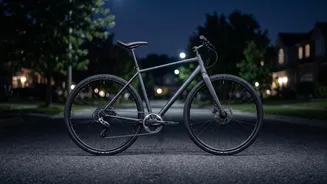
Before we dive into the perks, safety is paramount. Night riding requires being seen. This isn't optional. Invest in a strong white front light to illuminate your path and a bright red rear light so you're visible from behind. Reflective gear, such as
a vest or ankle bands, is also essential, as the movement of your legs can catch a driver's eye. It's wise to stick to familiar, well-lit routes, slow down, and assume you're not always visible to motorists. Riding defensively and staying hyper-aware of your surroundings is the key to turning a night ride from a risk into a reward.
1. Peak Performance in Cooler Temperatures
In a climate like India's, daytime heat can be a significant barrier to exercise. Cycling at night allows you to bypass the sweltering sun, leading to more comfortable and effective workouts. Research suggests that many people reach their peak physical performance in the late afternoon or early evening when body temperature is naturally higher. Cooler external temperatures mean your body spends less energy trying to cool itself down, allowing for better endurance. One study even found that cyclists could ride significantly longer until exhaustion in cooler conditions compared to warmer ones. This means you can often push harder and ride longer, translating to greater fitness gains over time.
2. An Unlikely Path to Better Sleep
While it might seem counterintuitive to exercise before bed, a well-timed evening ride can actually improve your sleep quality. Regular, moderate aerobic exercise is consistently linked to better rest. The key is timing. A gentle to moderate ride can help you de-stress and lower cortisol levels, which can interfere with sleep. The physical exertion raises your body temperature slightly, and the subsequent drop as you cool down can signal to your body that it's time to rest. To reap the benefits, aim to finish your ride at least 60 to 90 minutes before you plan to sleep, giving your body ample time to wind down from the adrenaline.
3. A Heightened State of Focus and Mental Clarity
With fewer cars on the road and less background noise, night cycling offers a unique mental space. The reduced sensory input allows you to enter a 'flow state', where you become deeply absorbed in the rhythm of pedalling and breathing. This meditative quality is a powerful tool for stress relief, allowing you to process the day's events or simply clear your head. Navigating in the dark also demands a higher level of concentration. You become more attuned to the road surface and your surroundings, sharpening your focus and making you more aware of your body's movements. This heightened awareness can feel both challenging and deeply rewarding.
4. Improved Balance and Core Engagement
Familiar roads can look very different in the dark. Small bumps, potholes, and changes in the road surface are harder to see, forcing you to react more quickly to maintain control. While it's crucial to ride cautiously, this environment provides a subtle but effective training ground for your balance and stabilizer muscles. Your core, back, and smaller muscles in your legs and ankles work harder to keep you steady and upright. This constant, low-level engagement helps improve your overall coordination and stability on the bike, making you a more skilled and resilient rider in any condition.
5. A Powerful Mood and Confidence Booster
Completing a ride after dark provides a profound sense of accomplishment. Overcoming the initial hesitation and navigating safely builds confidence and mental resilience. Like all forms of aerobic exercise, cycling triggers the release of endorphins, the body's natural 'feel-good' chemicals, which improve your mood and reduce feelings of anxiety. An evening ride can serve as a perfect transition from a stressful workday to a relaxed evening at home, helping to wash away the day's tensions and leaving you with a calm, energized feeling.