
Maharashtra’s Gopalkala
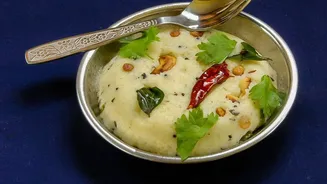
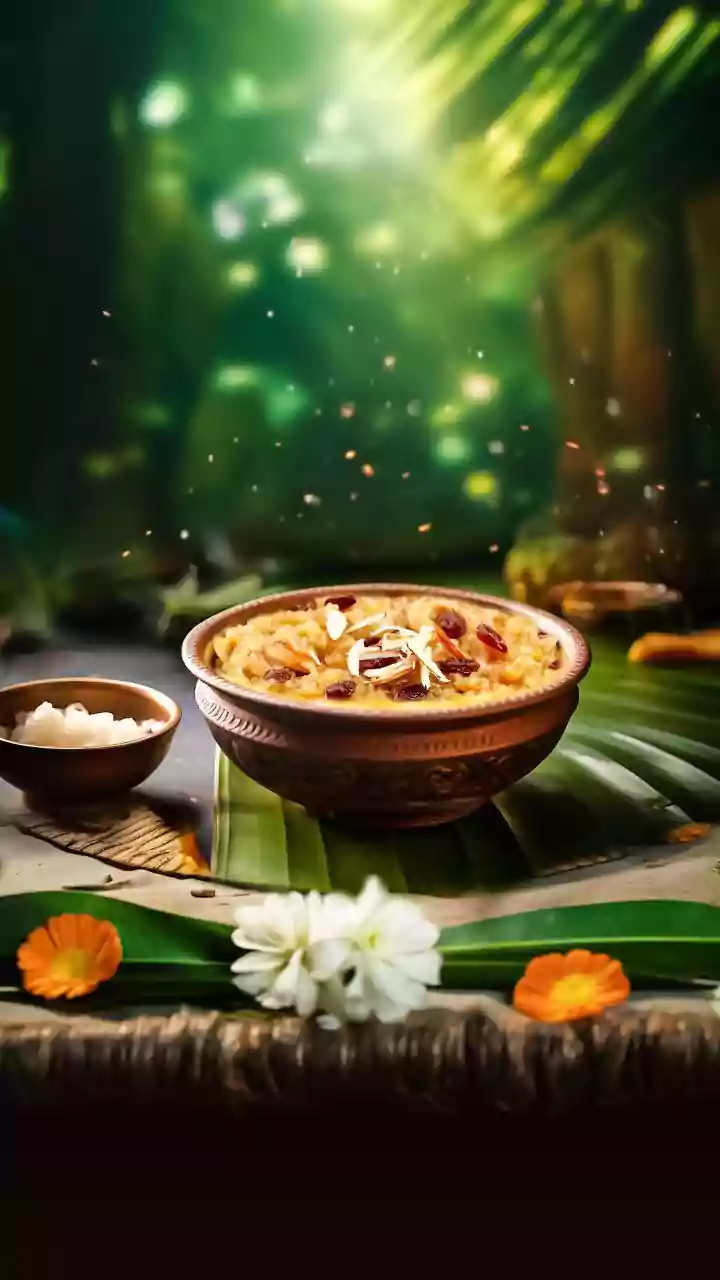
In Maharashtra, Janmashtami celebrations, especially the energetic Dahi Handi festival, are marked by a unique savoury prasad called Gopalkala. This dish is a rustic and wholesome mix of flattened rice (poha), curd, cucumber, grated coconut, and a tempering
of ghee, cumin seeds, and green chillies. The story behind Gopalkala is deeply symbolic; it represents the meal Lord Krishna shared with his cowherd friends (gwalas) in the fields. He would playfully mix everyone's lunch tiffins together, creating a single dish that broke all barriers of social status. Today, Gopalkala is prepared and filled in the Dahi Handi, and after it's broken, the prasad is shared among everyone, embodying a spirit of community and equality.
Bengal’s Taler Bora
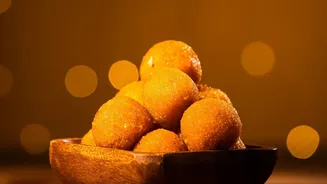
Come monsoon and the season of Janmashtami, kitchens in Bengal are filled with the sweet fragrance of Taler Bora. These are deep-fried fritters made from the pulp of the ripe Asian Palmyra Palm (Tal), which ripens around this time of year. The golden-brown pulp is mixed with rice flour, semolina, coconut, and sugar or jaggery before being fried into little golden spheres that are delightfully crispy on the outside and soft within. The dish is so central to the celebration that a popular Bengali rhyme speaks of Nanda, Krishna's adoptive father, breaking into a joyful dance after eating them. The offering of Taler Bora connects the festival to the local ecology and harvest, turning a seasonal fruit into a divine offering.
South India’s Seedai and Murukku
In South India, particularly in Tamil Nadu, Krishna Jayanthi (Gokulashtami) is celebrated with an array of carefully prepared snacks. Among the most essential are Seedai and Murukku. Seedai are small, crunchy, deep-fried balls made from rice flour. They come in two primary forms: Uppu (salt) Seedai, which is savoury, and Vella (jaggery) Seedai, which is sweet. Preparing them is considered an art, as the dough must have the perfect consistency to avoid bursting in the hot oil. Alongside these, various types of Murukku, a crispy, spiral-shaped snack, are also made. These offerings reflect Krishna's legendary childhood fondness for butter and crunchy treats.
Mathura's Mathura Peda
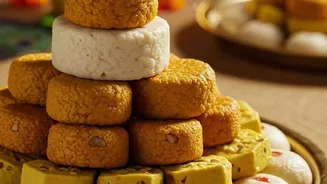
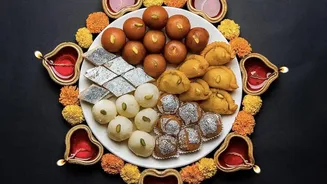
No culinary journey through Janmashtami is complete without a stop in Krishna's birthplace, Mathura. While Makhan Mishri is a staple, the city's signature sweet, the Mathura Peda, is an indispensable part of the bhog. Made by slow-roasting khoya (reduced milk solids) until it caramelises, and then mixing it with sugar and cardamom, these pedas have a unique grainy texture and rich, milky flavour. During Janmashtami, they are prepared in vast quantities and offered in temples and homes. The peda is more than just a sweet; it represents the sacred geography of Braj, allowing devotees to take a literal taste of Krishna's land home with them.
North India’s Dhaniya Panjiri and Makhana Paag
While many are familiar with wheat-based Panjiri, a special version made for Janmashtami fasting uses a rather surprising ingredient: coriander powder (dhaniya). Dhaniya Panjiri is prepared by roasting coriander powder in ghee until fragrant and then combining it with powdered sugar, nuts, and makhana (fox nuts). This preparation is popular in Uttar Pradesh, Bihar, and Punjab, especially in households where grains are avoided during the fast. Another fasting delicacy is Makhana Paag. For this, fox nuts are roasted in ghee until crisp and then coated in a sugar syrup, creating a crunchy, sweet confection. Both dishes showcase how fasting food can be rich and celebratory, using permitted ingredients to create offerings full of texture and flavour.