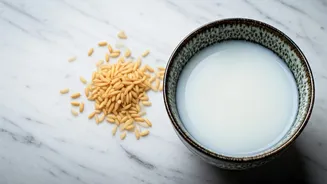



An Ancient Beauty Elixir
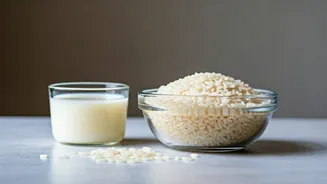
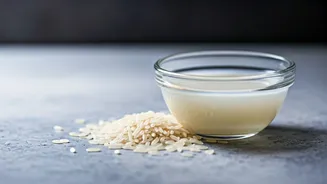
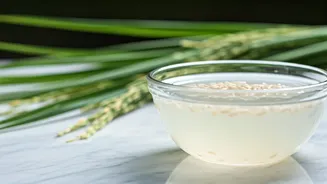
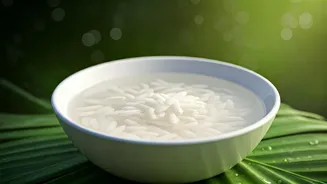
At its core, rice water is simply the starchy liquid left over after soaking or boiling rice. While it may seem like a recent social media discovery, its use as a beauty treatment is centuries old. In Japan, women of the Heian period were famed for their
floor-length hair, which they reportedly rinsed with rice water to keep it healthy. More famously, the Yao women of Huangluo village in China, who hold the Guinness World Record for the 'world's longest hair village,' have traditionally used fermented rice water in their hair care rituals for generations. This rich history suggests a long-held belief in its benefits, passed down long before it was ever a trending hashtag.
The Nutrient-Rich Profile
The reason rice water is so prized lies in its composition. The milky liquid is packed with nutrients that are beneficial for hair and skin. It contains a wealth of amino acids, which are the building blocks of protein, essential for hair strength. It's also rich in vitamins B and E, antioxidants, and minerals. One of its most-touted components is inositol, a carbohydrate that has been studied for its ability to penetrate and remain in the hair even after rinsing, offering continued protection. This cocktail of nutrients is what proponents believe gives rice water its strengthening, smoothing, and beautifying properties.
For Stronger, Shinier Hair
If you're dealing with dull, brittle, or slow-growing hair, rice water might be the gentle boost your routine needs. The inositol it contains is thought to help repair damage, reduce surface friction, and increase hair elasticity, making it less prone to breakage. Many users report that regular rinses leave their hair feeling smoother, stronger, and noticeably shinier. The amino acids also help fortify the hair strands from the root, potentially aiding in length retention as your hair grows. While not a magic bullet for rapid hair growth, it supports the health of the hair you have, creating an optimal environment for it to thrive.
For Soothed, Glowing Skin
The benefits aren't just for your hair. Rice water can also be a wonderful, calming addition to your skincare routine. Its starchy nature makes it a gentle cleanser and toner. It's known to have a soothing effect on the skin, which can help calm irritation, redness, and inflammation associated with conditions like mild eczema or sun exposure. Some studies suggest that the antioxidants in rice water may help protect the skin barrier and maintain its firmness and elasticity. Used as a facial toner, it can help tighten the appearance of pores and leave your skin feeling soft and refreshed, all without the harsh chemicals found in some commercial products.
How to Make Your Own Rice Water
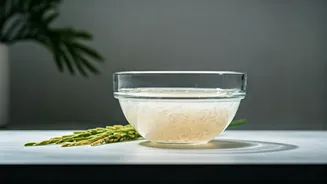
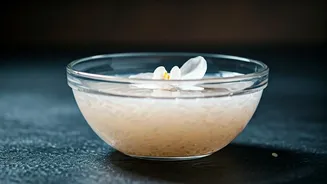
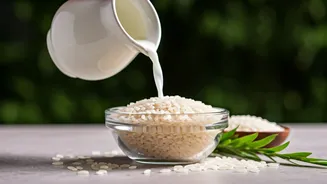
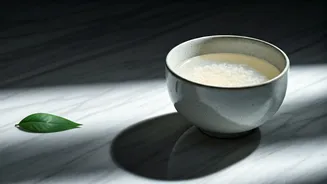
Making this 'elixir' is incredibly simple. There are two popular methods: 1. **The Quick Soak:** Rinse half a cup of uncooked rice (any kind will do) to remove impurities. Then, place the rinsed rice in a bowl with two to three cups of water and let it soak for at least 30 minutes. Gently swirl and press the rice to help the nutrients release into the water. Finally, strain the cloudy water into a clean jar or bottle. It's ready to use. 2. **The Fermented Method:** For a more potent version, follow the soaking steps above, but let the strained rice water sit at room temperature for 12 to 24 hours. The fermentation process lowers the pH of the water, bringing it closer to the natural pH of hair, and enhances its nutrient concentration. Once it has a slightly sour smell, it's ready. Store it in the fridge to stop the fermentation.
Incorporating It Into Your Routine
Using rice water is just as easy as making it. For hair, after shampooing and conditioning, pour the rice water over your scalp and hair. Gently massage it in and let it sit for up to 20 minutes before rinsing thoroughly with cool water. For skin, you can dip a cotton pad in the rice water and use it as a facial toner after cleansing, or pour it into a spray bottle for a refreshing face mist. Always perform a patch test on a small area of your skin or a few strands of hair first to ensure you don't have a reaction, especially if you have sensitive skin or a protein-sensitive hair type.