
Why Protein is Crucial for Recovery
Every time you engage in strenuous exercise, you create microscopic tears in your muscle fibres. This is a normal part of building strength. Your body’s repair process, known as muscle protein synthesis, uses amino acids from protein to heal these micro-tears,
making the muscles stronger and larger than before. Without an adequate supply of protein shortly after a workout, this recovery process can be slow and inefficient, leading to prolonged soreness and subpar results. Consuming a high-quality protein source within an hour after training provides your muscles with the essential building blocks they need to repair and grow effectively.
The Plant Protein Power Couple
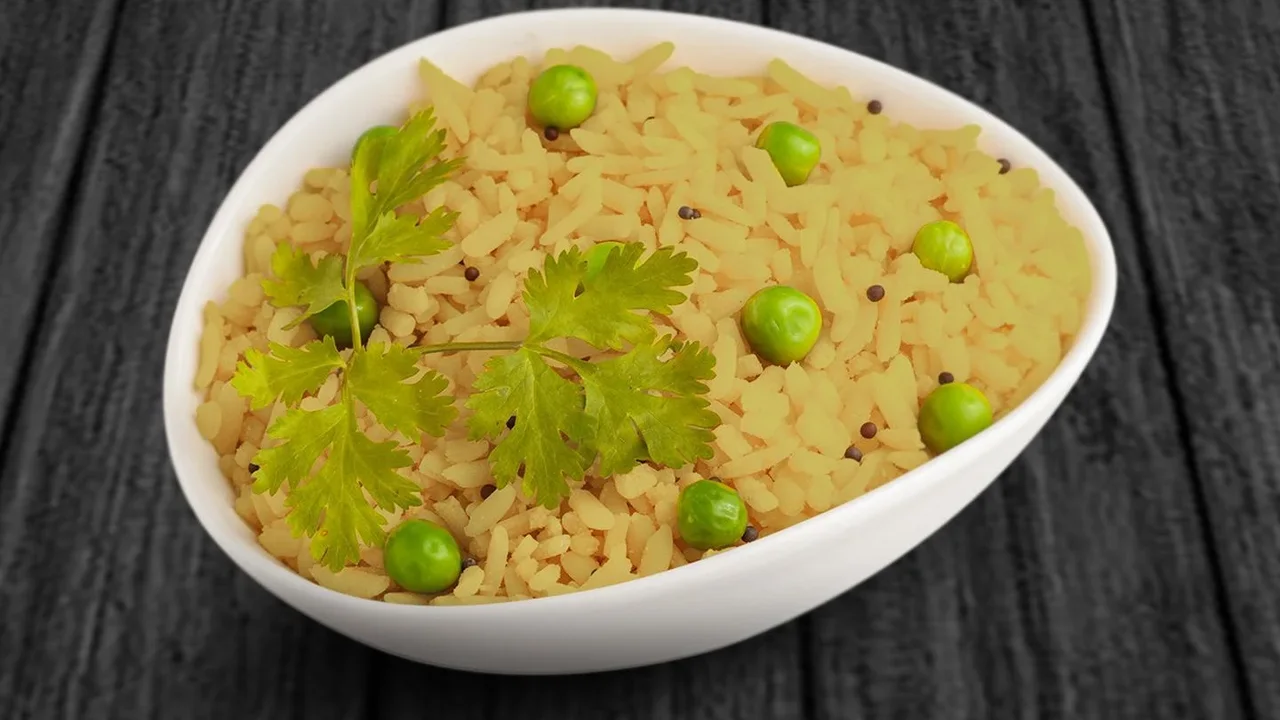
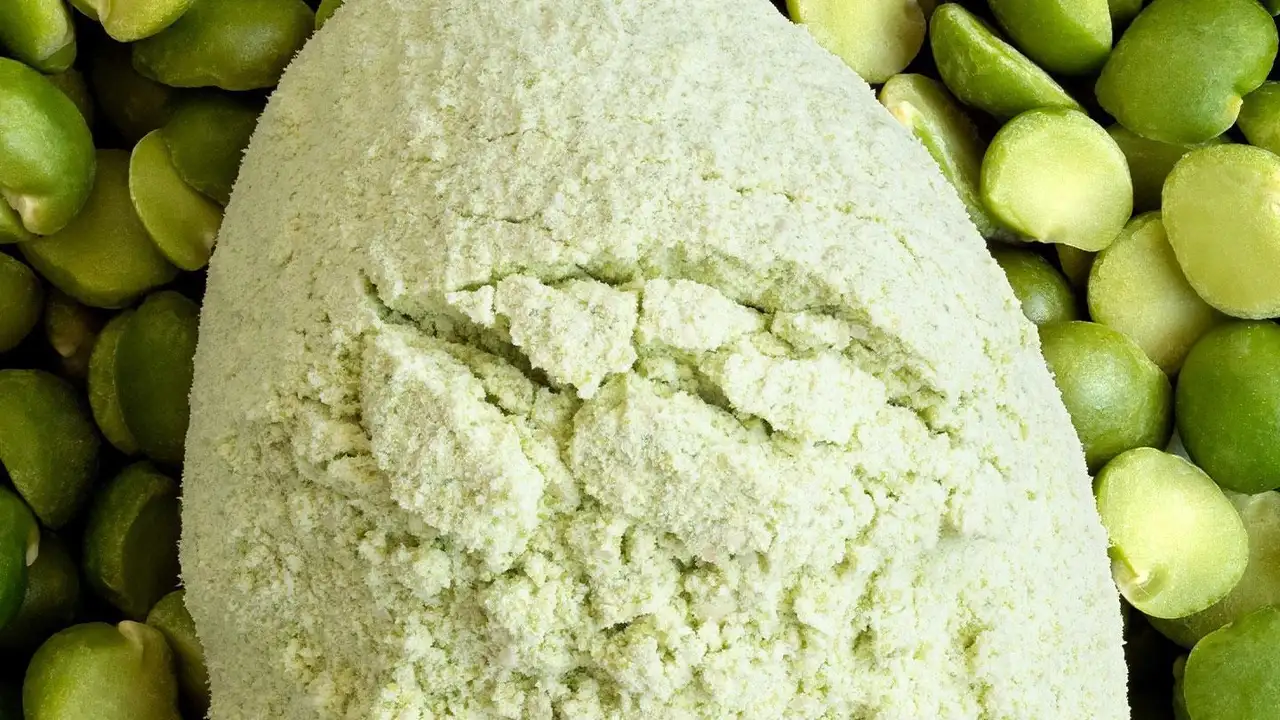
Individually, many plant proteins are considered 'incomplete', meaning they don't contain all nine essential amino acids that your body cannot produce on its own. This is where the strategic combination of pea and rice protein comes in. Pea protein is derived from yellow split peas and is rich in branched-chain amino acids (BCAAs) and lysine, but it's low in methionine. Brown rice protein, which is made by separating the protein from carbohydrates in sprouted brown rice, is low in lysine but high in methionine and cysteine. When you combine these two, they complement each other perfectly, creating a complete protein with a full amino acid profile that rivals animal-based sources like whey.
How This Blend Fuels Muscle Growth
The complete amino acid profile created by blending pea and rice protein is highly effective for muscle repair and growth. Lysine, abundant in pea protein, is vital for growth and bone health, while the methionine from rice protein plays a key role in muscle contraction and metabolism. The combination also provides a strong profile of BCAAs—leucine, isoleucine, and valine—which are particularly important for stimulating muscle protein synthesis and supporting recovery after intense exercise. Studies have shown that this plant-based combination can be just as effective as whey protein in supporting muscle gains when paired with resistance training.
Your Post-Workout Protocol
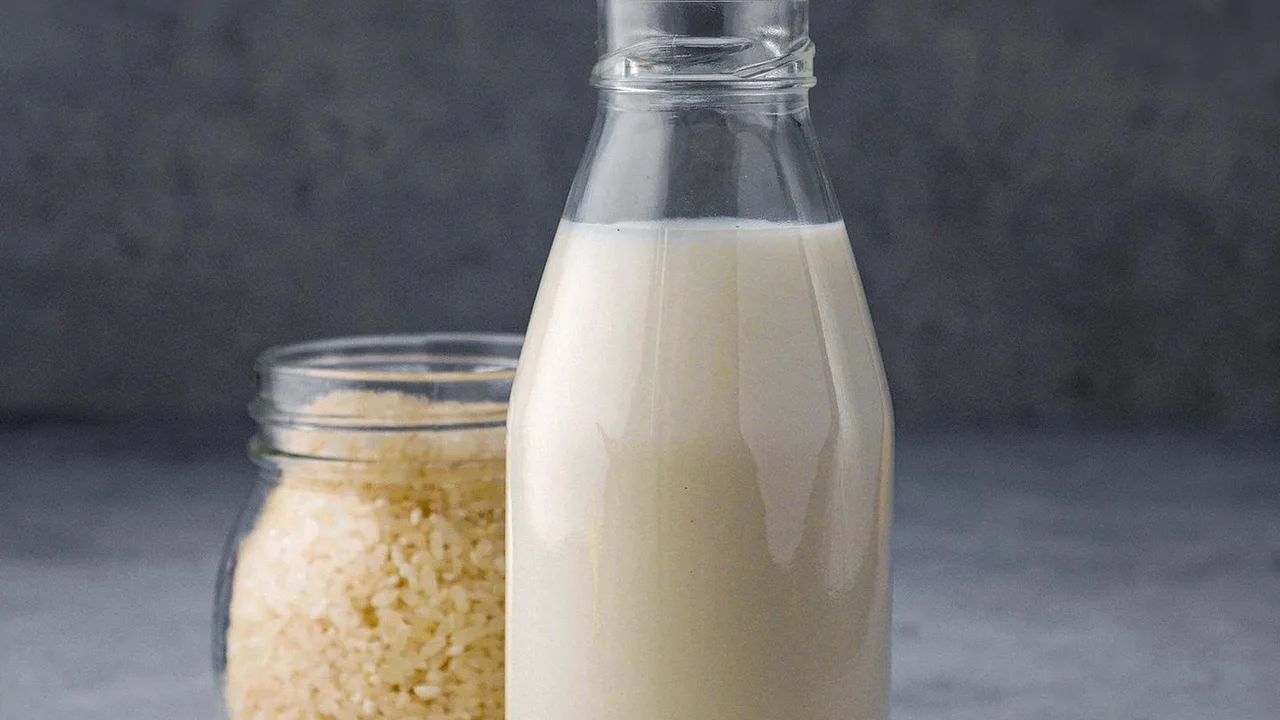
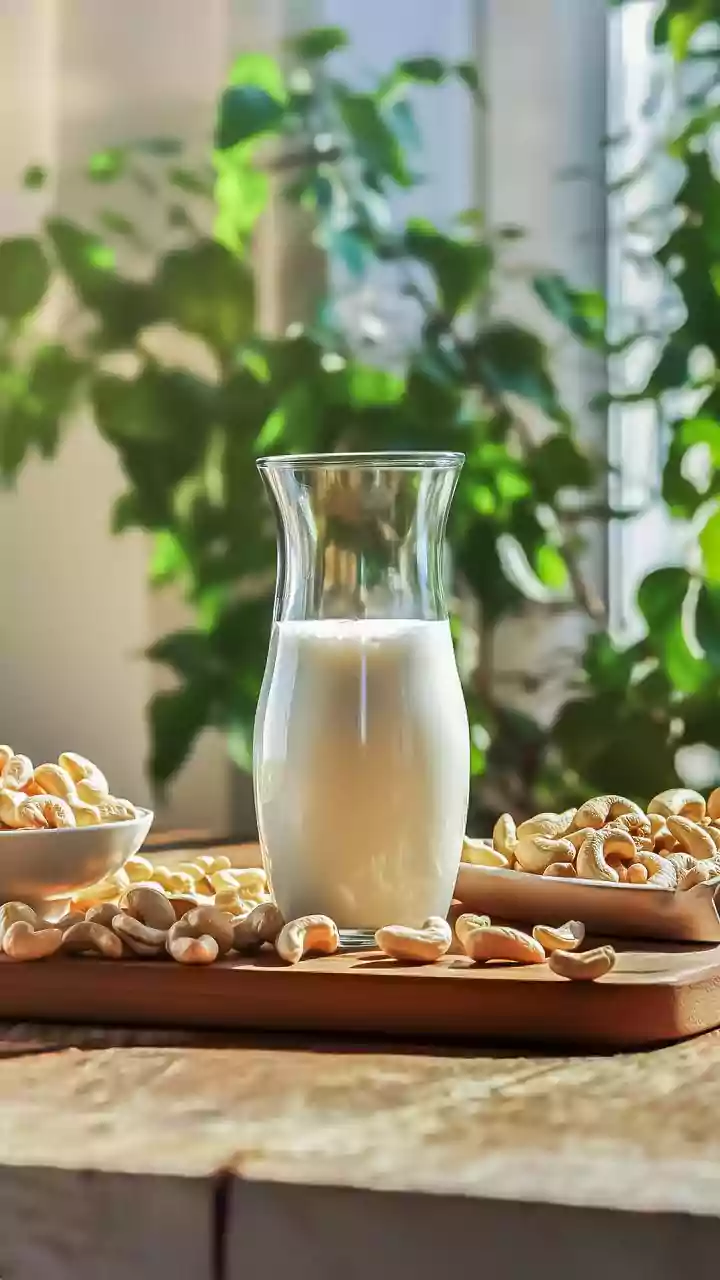
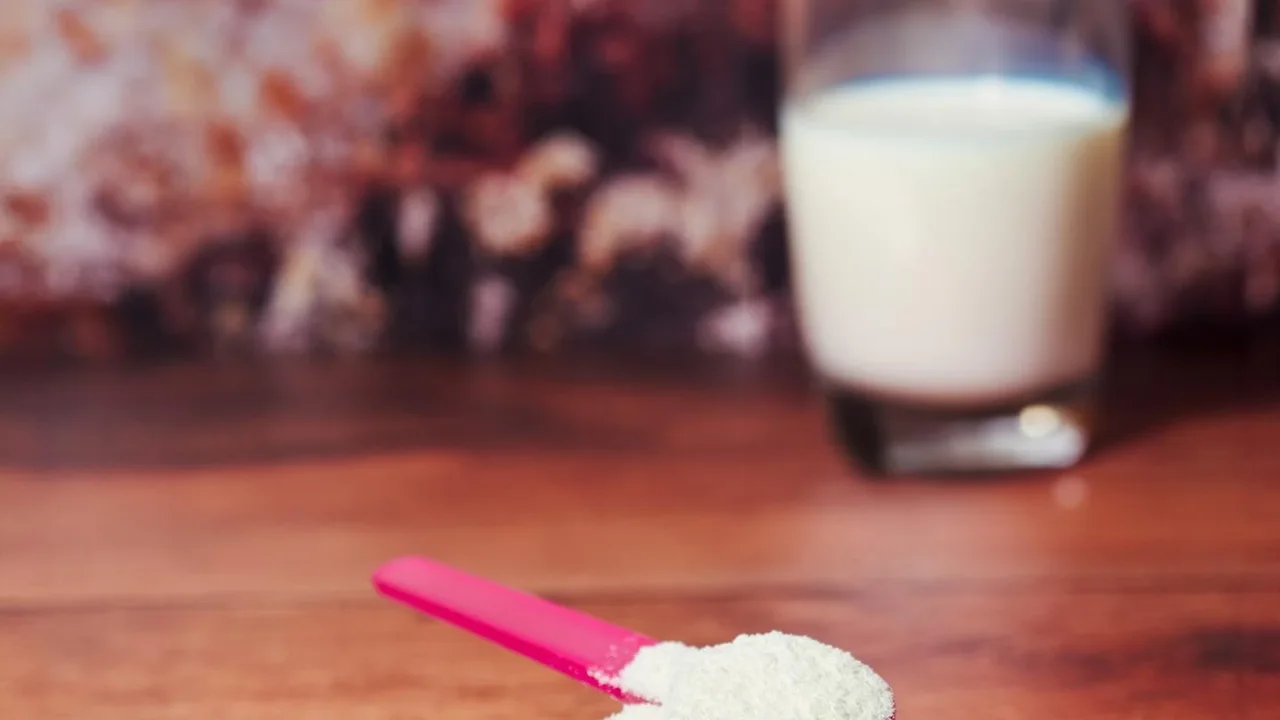
Timing and dosage are key to maximising recovery. For optimal results, consume a shake containing 20-25 grams of a pea and rice protein blend within 30 to 60 minutes after your workout. This period, often called the 'anabolic window', is when your muscles are most receptive to nutrients for repair. Simply mix a scoop of the blended powder with water or a plant-based milk. You can create a 50/50 ratio yourself or buy a pre-mixed blend. For active individuals looking to build muscle, a general guideline is to aim for a total daily protein intake of about 1.6 to 2.2 grams per kilogram of body weight, using supplements to help meet this goal.
Other Notable Benefits
Beyond muscle recovery, a pea and rice protein blend offers several other advantages. It is naturally hypoallergenic, making it an excellent choice for individuals with allergies or sensitivities to dairy, soy, or gluten. Many users also find it easier to digest than whey protein, which can sometimes cause bloating or discomfort. This combination provides a clean, effective, and sustainable protein source that aligns with both fitness goals and dietary preferences, helping to reduce inflammation and support overall wellness.