





What is Soil Degradation?
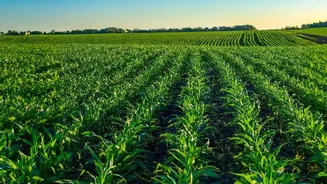
Think of healthy soil as a living, breathing ecosystem. It’s a complex mix of minerals, air, water, organic matter, and countless microorganisms. Soil degradation is the decline of this ecosystem’s health, reducing its capacity to support plant life.
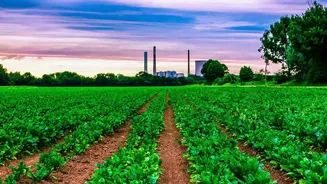
In India, this is a widespread crisis, with studies suggesting over 30% of our land is affected. The primary culprits are soil erosion from wind and water, the loss of soil organic carbon (SOC), excessive salinity from over-irrigation, and an imbalance of nutrients from decades of intensive farming practices. When soil degrades, it loses its structure, fertility, and biological activity.
The Sponge and the Brick: How Soil Uses Water
Healthy soil, rich in organic matter, acts like a sponge. Its porous structure allows it to absorb rainwater and irrigation, holding it where plant roots can access it during dry spells. Research shows that for every 1% increase in soil organic matter, an acre of land can hold thousands of extra litres of water. However, degraded soil behaves more like a hard, compacted brick. It has very little organic matter and poor structure. When water is applied, it can't soak in effectively. Instead, much of it runs off the surface, carrying away precious topsoil and any fertilisers with it. This means that even with irrigation, plants may not get the water they need, and resources are wasted.
When Fertiliser Doesn't Reach the Plant
Applying fertiliser to degraded soil is like trying to feed a person who cannot digest food. Healthy soil is teeming with microbes that break down fertilisers and organic matter into forms that plants can absorb. When soil is degraded, this microbial life diminishes. Furthermore, the overuse of certain chemical fertilisers, particularly nitrogen-heavy urea, has altered the soil’s pH in many parts of India, creating an imbalanced chemical environment. As a result, nutrients from fertilisers aren't processed correctly. They either get 'locked up' in the soil, unavailable to plant roots, or they are easily washed away by rain and irrigation, polluting groundwater and rivers without ever nourishing the crop.
A Vicious Cycle of Rising Costs
This situation creates a dangerous economic trap for farmers. When they see poor yields despite using fertilisers, their natural reaction is often to apply even more, hoping to fix the problem. This not only increases their input costs but can also accelerate soil degradation, worsening the nutrient imbalance and further harming soil structure. It becomes a vicious cycle of diminishing returns: spending more money on water and chemicals for a crop that is less and less able to use them effectively. This cycle threatens the livelihoods of millions and the long-term food security of the nation.
Rebuilding from the Ground Up
The solution is not to simply add more inputs, but to heal the soil itself. The focus must shift from merely feeding the plant to nourishing the soil. Practices that rebuild soil health are key. This includes integrated nutrient management, which combines the judicious use of chemical fertilisers with organic sources like compost, farmyard manure, and bio-fertilisers. Techniques such as planting cover crops, practicing crop rotation, and reducing tillage help protect the soil from erosion and rebuild vital organic matter. Government initiatives like the Soil Health Card scheme aim to provide farmers with the data needed to make informed decisions and move towards a more balanced, sustainable approach to farming.