




Rethink What 'Bold' Means
Somewhere between celebrity chef shows and intricate food blogs, we got the idea that 'bold' cooking involves a dozen exotic ingredients and three hours of prep. This is the biggest myth holding home cooks back. Boldness isn't about complexity; it’s about confidence.
It’s the confidence to add a little more chilli, to squeeze a whole lime instead of a timid wedge, or to let your onions get truly dark and caramelised for a deeper flavour base. True boldness in a home kitchen is about understanding how simple actions create powerful results. It’s not a new recipe, but a new mindset. Instead of thinking, “I need to make something different,” think, “How can I make this familiar dish sing?” The answer is almost always simpler than you imagine.
Master the Finishing Touches
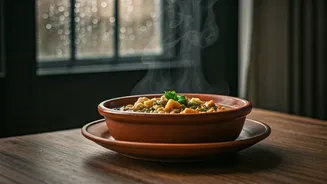
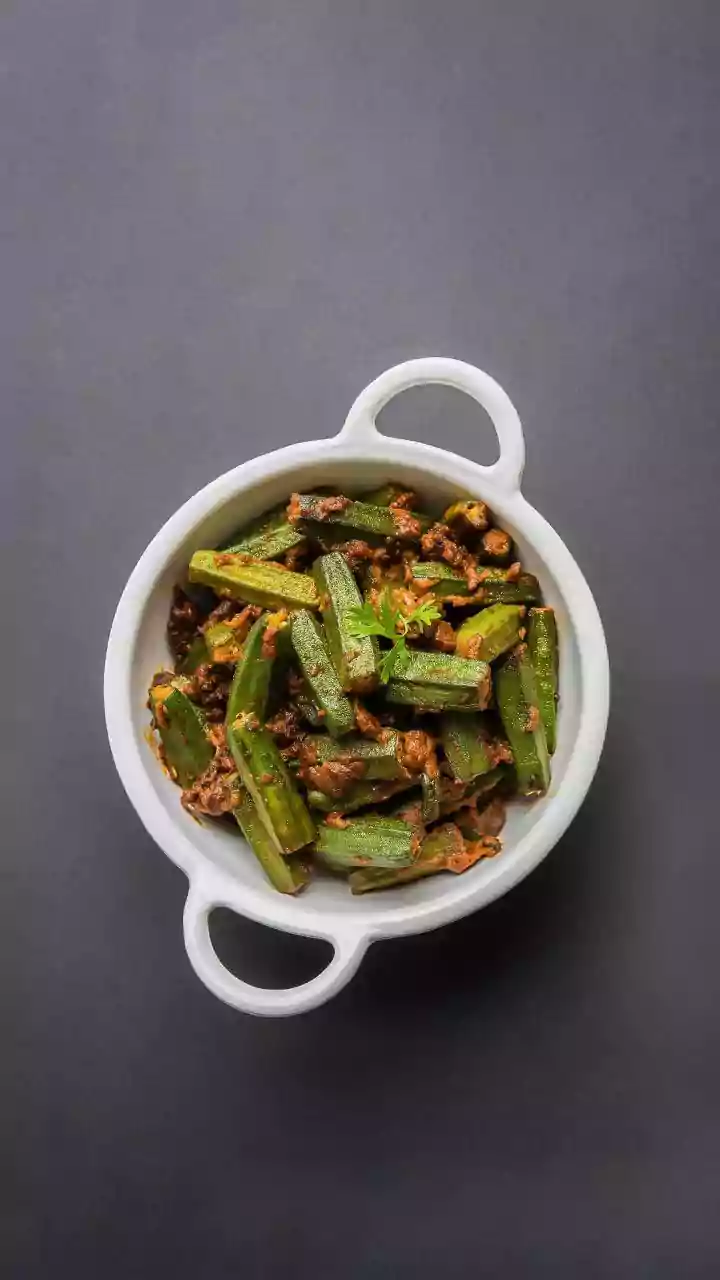
The secret weapon of many great cooks isn’t what they do during the cooking process, but what they do right at the end. This is the essence of 'boldness without fuss.' A bland dal can be instantly transformed with a sizzling tadka of ghee, mustard seeds, and dried red chillies. A simple sabzi becomes vibrant with a generous handful of fresh, chopped coriander and a squeeze of lemon juice just before serving. Think of your dish as a canvas. The cooking part is the base coat, but the final flourish is where the character comes from. Try a drizzle of good quality olive oil over a soup, a sprinkle of toasted sesame seeds on a stir-fry, or a dollop of plain yogurt on a spicy curry. These take seconds but add layers of flavour, texture, and aroma that make the entire meal feel more special.
Acid and Fat Are Your Best Friends
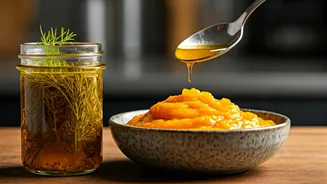
If your food tastes flat or one-note, the culprit is often a lack of balance. The two easiest dials to turn are acid and fat. Acid, in the form of lemon juice, vinegar, tamarind, or even chaat masala, brightens everything. It cuts through richness and makes flavours pop. A curry that feels heavy and dull can be awakened with a splash of acidity at the end. Fat, on the other hand, carries flavour and adds richness and a satisfying mouthfeel. This doesn't mean drowning your food in oil. It means using fat intelligently. A spoonful of ghee melted over hot rotis, a nutty sesame oil dressing for a salad, or creamy coconut milk to round out a spicy gravy are all examples of using fat for maximum impact. Learning to taste and ask, “Does this need a little brightness (acid) or a little richness (fat)?” is a game-changing skill.
Liberate Your Spice Box
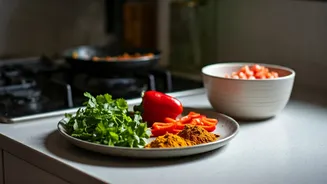
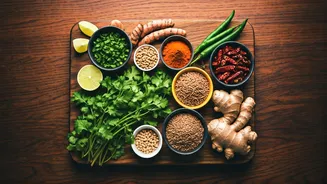
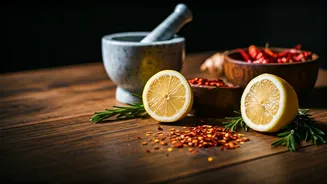
Most Indian homes have a treasure trove of spices, but we often fall into the habit of using the same few combinations. It’s time to break free. The fuss-free way to do this is to focus on technique. Toasting whole spices like cumin or coriander seeds in a dry pan before grinding them releases their essential oils and deepens their flavour immensely. It takes one extra minute and makes a world of difference. Try 'blooming' your spice powders in hot oil or ghee for 30 seconds before adding your other ingredients. This simple step cooks out the raw taste and infuses the entire dish with a more robust flavour. Don't be afraid to experiment with a single new spice. Add a star anise to your next pot of rajma, or a pinch of fennel powder to your potato sabzi. Small changes, bold results.