





A Fiery Legacy from Halley's Comet
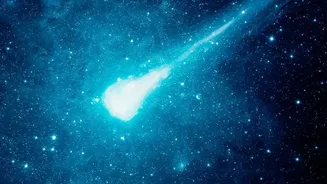
The Orionid meteor shower is one of the most famous of the year, and for good reason: its parent is none other than Halley's Comet. This legendary comet, which swings by Earth only once every 76 years, leaves a trail of cosmic dust in its orbit. Each
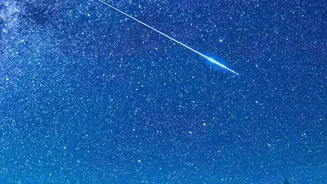
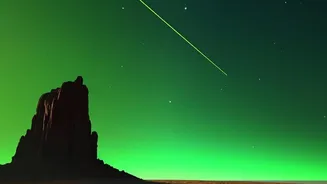
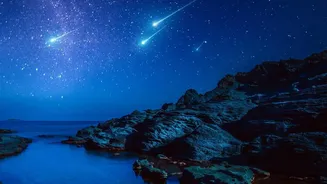
October, our planet plows through this stream of debris. Tiny particles, often no bigger than a grain of sand, hit our atmosphere at incredible speeds and burn up, creating the streaks of light we call meteors or 'shooting stars'. So, when you watch the Orionids, you are seeing pieces of the most famous comet in history blaze across the night sky. The shower gets its name because the meteors appear to radiate from a point in the constellation Orion.
The Bright Moon Challenge of 2026
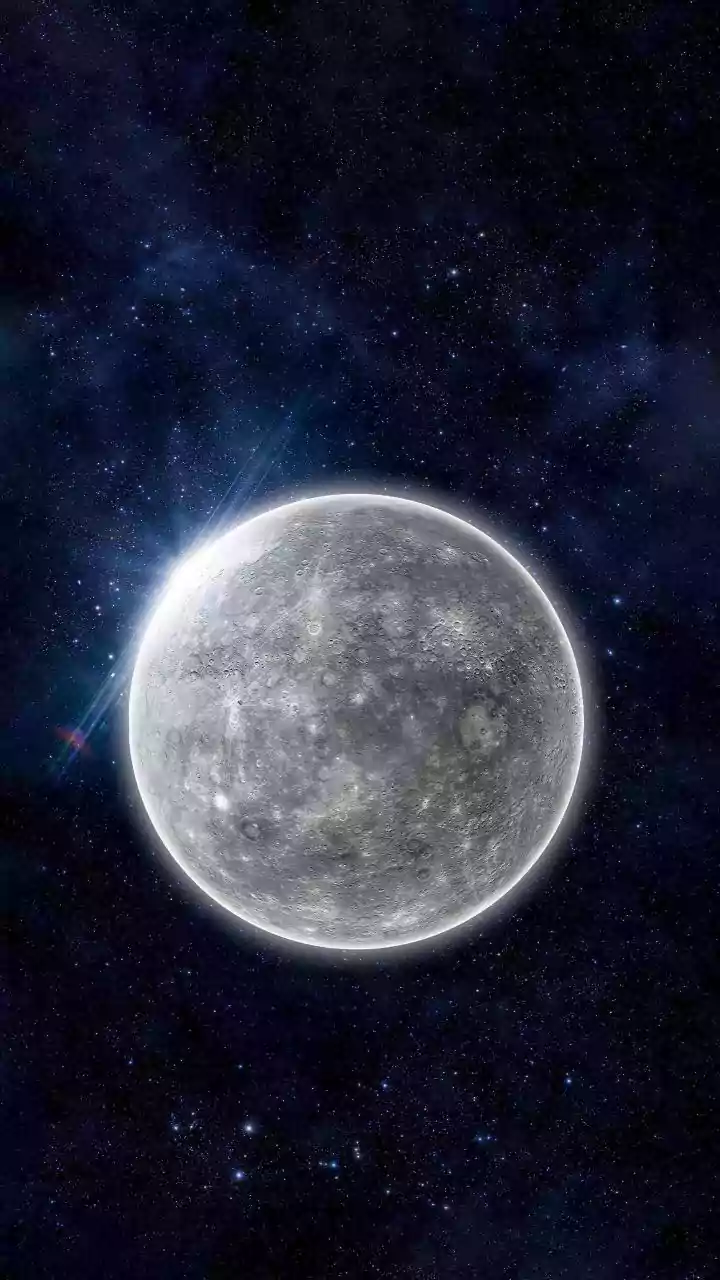
This year, the Orionids are expected to peak on the night of October 21-22. Under ideal conditions, viewers in a dark location could see about 15 to 25 meteors per hour. However, 2026 presents a significant challenge: a bright waxing gibbous moon will be in the sky for much of the night. Moonlight acts like natural light pollution, washing out the fainter meteors and drastically reducing the number you can see. This is the main reason some may feel the shower isn't worth their time this year. But there's a silver lining. The moon will set around 3 a.m. local time, opening up a window of dark skies in the crucial pre-dawn hours when the shower is at its best.
Why Quality Trumps Quantity
While the total number of meteors may be lower, the Orionids are known for their quality. These are not just faint, fleeting streaks. Orionid meteors are exceptionally fast, entering Earth's atmosphere at a blistering 66 kilometres per second. This tremendous speed means they are often very bright. Even with moonlight, the brighter Orionids can easily cut through the glare. Furthermore, about half of all Orionid meteors leave behind a persistent, glowing trail of ionised gas that can linger for several seconds after the meteor itself has vanished. Some may even explode as brilliant fireballs, which are prolonged bursts of light that can outshine the brightest stars. It is this potential for spectacular, memorable meteors that makes the shower compelling despite the moon.
Your Guide to a Great Viewing Experience
To make the most of the 2026 Orionids, strategy is key. First, patience is essential. Head out after midnight, ideally aiming for the window between 3 a.m. and the start of dawn, after the moon has set. Find a location far away from city lights; a rural area with a wide, open view of the sky is perfect. Even moving away from the lights of Delhi or Mumbai to the outskirts can make a significant difference. Don't worry about special equipment like telescopes or binoculars; meteor showers are best viewed with the naked eye. Get comfortable in a reclining chair or on a blanket, and allow your eyes at least 20-30 minutes to fully adapt to the darkness. Put your phone away, as its bright screen will ruin your night vision. Face away from where the moon was, or use a tree or building to block its lingering glow just before it sets. Then, just look up and enjoy the show nature provides.