





The End of the Summer Dream?
For decades, the peak summer months of June, July, and August were the undisputed champions of travel. Indian travellers looking to escape the post-monsoon humidity or plan a European adventure would aim for this window. The fantasy was clear: strolling
through Roman ruins, island-hopping in Greece, or relaxing on the French Riviera under a benevolent sun. But in recent years, that benevolent sun has turned punishing. Record-breaking heatwaves, with names like Cerberus and Charon, have scorched Southern Europe, pushing temperatures above 45°C. Wildfires have ravaged popular islands, and health warnings have replaced tourist brochures. The idyllic summer escape has, for many, become an endurance test. This isn't just an inconvenience; it's a fundamental threat to the way we've thought about holidays for generations.
Data Shows a Clear Shift
This isn't just a feeling; it's a measurable trend. The European Travel Commission (ETC) has noted a significant shift in traveller sentiment. In a recent report, it found a nearly 10% drop in the number of people planning to visit Mediterranean destinations during the peak summer months compared to the previous year. Meanwhile, interest in cooler countries like Denmark, Ireland, and the Czech Republic has surged. Travel intelligence company ForwardKeys reported that as heatwaves intensified last summer, there was a noticeable slowdown in last-minute bookings to destinations like Greece and Spain, while bookings for cooler northern locales spiked. People are voting with their wallets, choosing comfort and safety over the risk of being cooped up in an air-conditioned hotel room while the city outside bakes.
The Rise of the 'Cool-cation'
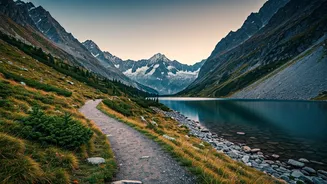
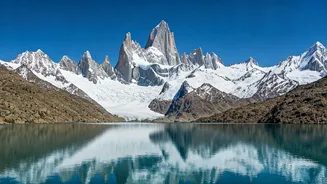
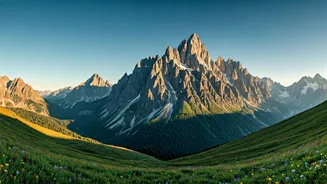
In response to this new reality, a new travel buzzword has emerged: the 'cool-cation'. Instead of chasing the sun, travellers are now chasing the shade. The new dream destinations are places where you can comfortably explore without risking heatstroke. The Nordic countries—Norway, Sweden, Finland, and Denmark—are experiencing a tourism boom. Their appeal is obvious: pristine nature, vibrant cities, and pleasant summer temperatures that rarely require more than a light jacket. Similarly, Scotland, with its dramatic lochs and moody highlands, and Ireland, with its lush green landscapes, are climbing up the wishlists. For Indian travellers, this trend resonates deeply. Instead of just swapping Indian heat for European heat, many are now looking towards destinations that offer genuine respite, like the Swiss Alps or the fjords of Norway, making them the new status symbols of summer travel.
Rediscovering the Shoulder Season
The death of the Mediterranean summer holiday has been greatly exaggerated. It's not that people don't want to visit Italy or Spain anymore; they just don't want to visit in August. The savviest travellers are embracing the 'shoulder seasons'—the months of April, May, September, and October. During these periods, the weather is often perfect: sunny and warm, but not oppressively hot. The crowds are thinner, the prices are often lower, and the experience is far more pleasant. Imagine exploring the vineyards of Tuscany in the gentle autumn light or swimming in the Aegean Sea in late September without the crush of peak-season crowds. This shift represents a smarter, more sustainable way to travel, spreading the economic benefits for local communities and reducing the environmental strain of over-tourism during a condensed peak period.
What This Means for Future Travel
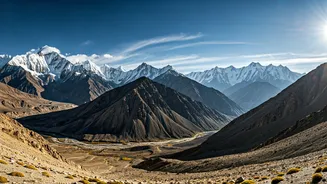
This isn't a fleeting trend; it's the new normal. Climate change is actively redrawing the global tourism map. For Indian tourists, the calculation is changing. A European summer trip is no longer a guaranteed escape from the heat, prompting a rethink of where and when to go. This might mean swapping a summer trip to Europe for a winter one, or choosing destinations that were once considered offbeat. It also puts a renewed focus on domestic 'cool-cations' within India, with destinations in the Himalayas like Ladakh, Spiti, and parts of Uttarakhand becoming even more attractive for those seeking refuge from scorching plains. Travel companies are already adapting, promoting shoulder-season deals and launching new itineraries focused on cooler climates. The travel industry, built on predictable seasons, is now learning to adapt to a much more unpredictable world.