


The Great Breakfast Rethink
For years, the convenience of a cardboard box and the promise of a fortified, quick meal made processed cereals a staple in busy urban households. However, a growing awareness around health and nutrition is causing many to reconsider their first meal of the day.
Consumers are increasingly scrutinizing labels, noting the high sugar content and low fibre in many popular cereal brands. This has sparked a return to roots, a movement that champions traditional Indian breakfast foods not just for their taste, but for their superior nutritional profiles. Instead of a quick sugar rush that leads to a mid-morning crash, people are seeking sustained energy to power through their demanding schedules.
The Mighty Millet's Comeback
At the heart of this shift is the resurgence of millets. Once dismissed as a humble grain, millets are now being celebrated as superfoods. Packed with protein, high in dietary fibre, and naturally gluten-free, grains like ragi (finger millet), jowar (sorghum), and bajra (pearl millet) are nutritional powerhouses. They have a low glycemic index, which means they release energy slowly, helping to manage blood sugar levels and keep you feeling full longer—a stark contrast to most processed cereals. This revival has been bolstered by initiatives like the UN's declaration of 2023 as the 'International Year of Millets,' which has renewed interest in these climate-resilient and nutrient-dense crops.
A Modern Twist on a Traditional Favourite
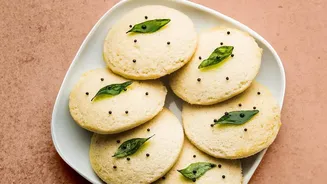
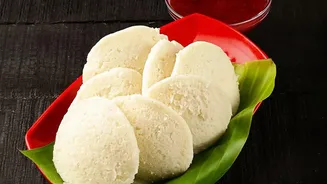
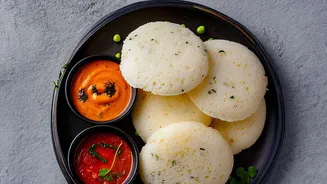
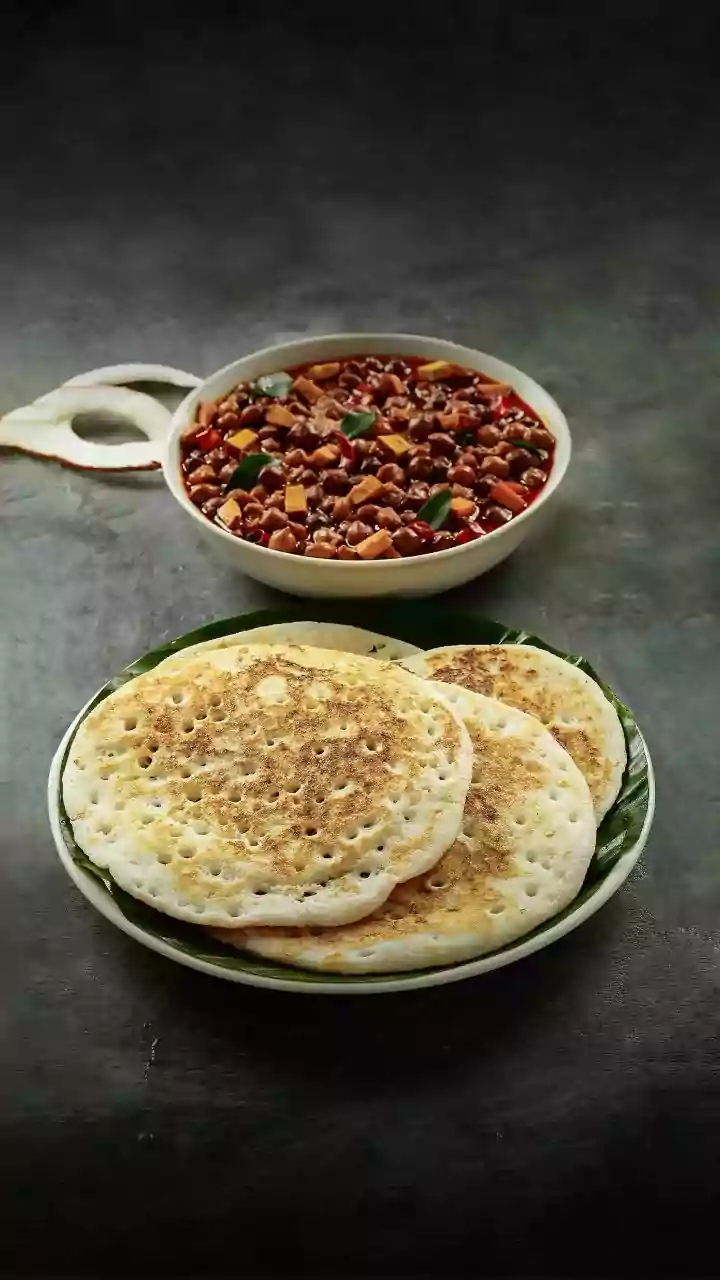
The appam, a soft, fluffy pancake from South India, is a beloved breakfast item. Traditionally made with fermented rice batter, it's now getting a healthy upgrade with millet flour. Steamed millet appams are light, easy to digest, and incredibly versatile. The use of millets enriches the dish with essential minerals like calcium, iron, and magnesium. Steaming, as a cooking method, requires no oil, making it a far healthier preparation than fried alternatives. The result is a breakfast that is both comforting and aligned with modern wellness goals. Food brands have taken notice, and a variety of instant millet appam and dosa mixes are now widely available, making this healthy choice just as convenient as pouring a bowl of cereal.
Cereals vs. Appams: A Nutritional Showdown
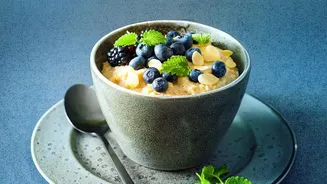
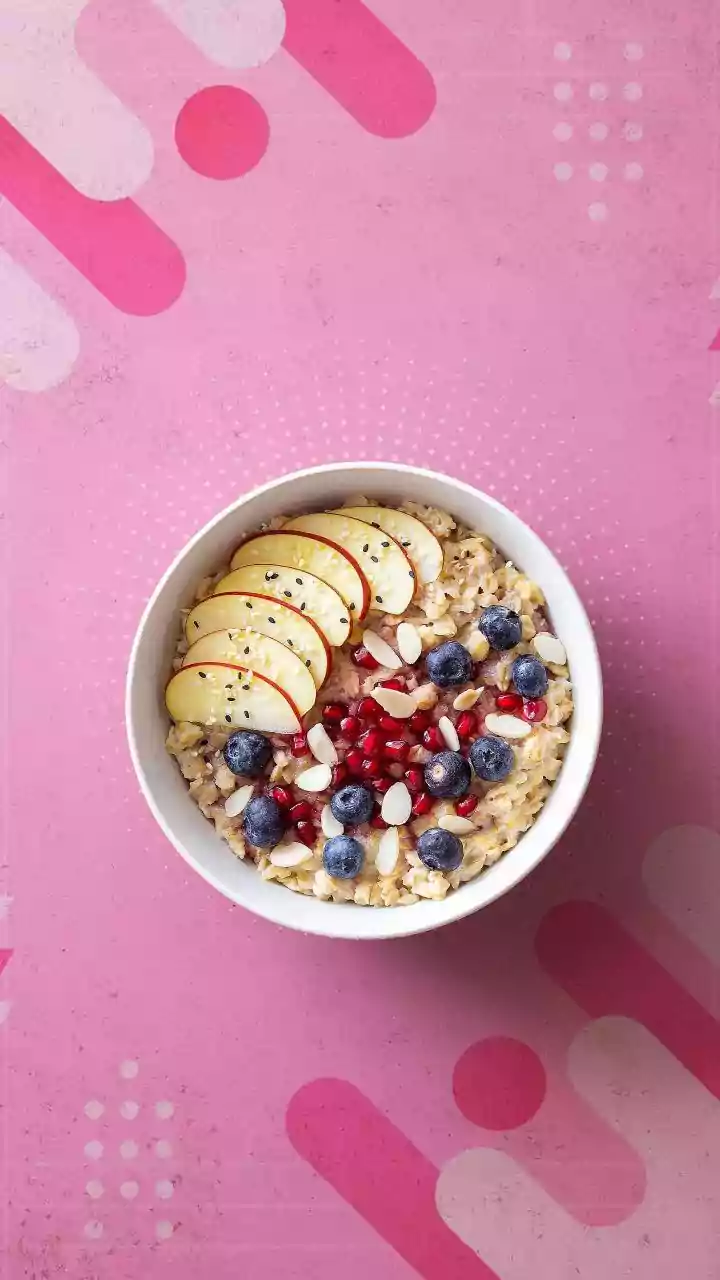
When placed side-by-side, the nutritional gap between a typical sugary breakfast cereal and a millet appam is significant. Many commercial corn flakes and frosted cereals are low in protein and fibre but high in refined carbohydrates and added sugars, which can lead to energy spikes and crashes. Millet flakes, and by extension millet appams, offer a balanced profile of complex carbs, plant-based protein, and substantial dietary fibre. This high fibre content aids digestion and promotes gut health. Furthermore, millets are packed with antioxidants and essential amino acids, nutrients often lacking in their highly processed counterparts. For families, switching to millet-based breakfasts can support better energy levels, weight management, and overall long-term health.
Making the Switch Effortless
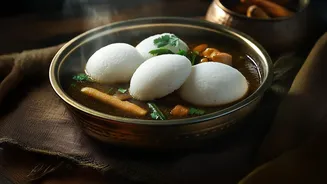
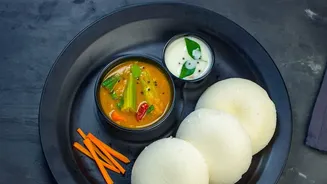
Adopting this healthier breakfast habit doesn't have to be complicated. For those short on time, the market is filled with high-quality, ready-to-use millet appam batters and instant mixes that require minimal preparation. Many of these mixes are 'clean label,' meaning they are free from preservatives and artificial additives. For the more culinary-inclined, preparing millet batter from scratch is a straightforward process of soaking and grinding. Paired with a simple coconut chutney or a hearty sambar, steamed millet appams can transform your morning meal from a mundane routine into a nourishing and delicious ritual that honours tradition while embracing modern health wisdom.