
From Mindless Indulgence to Mindful Choices
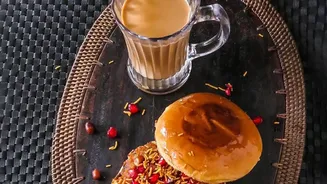
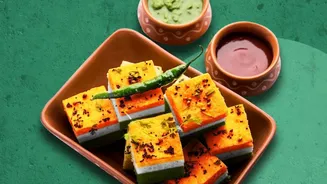
For generations, snacking in India has been a joyous, communal, and often indulgent affair. It’s the chai-time samosa, the festive murukku, or a bowl of bhujia shared while watching cricket. While these traditional favourites remain popular, a significant
behavioural shift is underway. Consumers are moving from what some analysts call “mindless indulgence” to “mindful consumption”. This change is fuelled by a growing awareness of lifestyle diseases and a broader wellness movement that has gained momentum across the country. As a result, the guilt associated with unhealthy snacking is pushing people to look for better alternatives, transforming a habit once driven purely by taste into one now heavily influenced by health.
Decoding 'Perceived Nutrition'
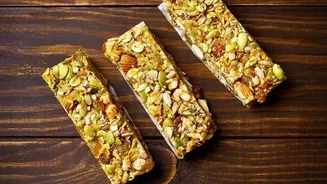
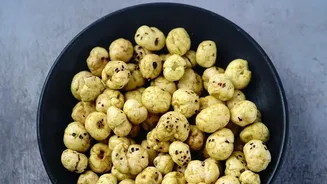
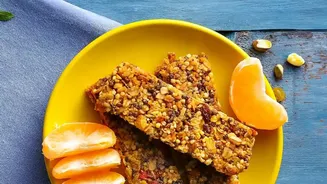
The new buzzwords in the snack aisle are 'baked, not fried', 'high protein', 'no maida', and 'millet-based'. This is the language of “perceived nutrition,” where the absence of negatives is often as important as the presence of positives. Consumers are actively reading labels, with one 2024 report finding that 73% of Indians check ingredient lists before buying. This scrutiny has created a booming market for products that are seen as clean and wholesome. Protein has become a mainstream requirement, with a 2026 report noting that 86% of consumers consider it an important factor when choosing a snack. Similarly, snacks made from traditional grains like millets (jowar, bajra, ragi) and fox nuts (makhana) are surging in popularity, seen as healthier alternatives to potato and refined flour.
The Startups Leading the Charge
Much of this disruption is being driven by a wave of direct-to-consumer (D2C) brands that have expertly targeted the health-conscious urban consumer. These companies have used slick packaging, savvy social media marketing, and the convenience of quick commerce to get their products into shoppers' hands. Platforms like Blinkit and Zepto allow a small brand to appear right next to an industry giant, leveling the playing field. Brands focused on clean labels, specific dietary needs (like gluten-free), and functional benefits have built loyal followings. This has spurred significant investment, with numerous healthy snack startups raising funds to expand their product lines and distribution, especially in the promising kids' snacking segment.
How Legacy Players Are Responding
The legacy giants of the Indian food industry have not been sitting idle. Noticing the rapid growth of the “better-for-you” segment, which is expanding faster than traditional snacks, large corporations are adapting their strategies. Some, like ITC, have launched their own millet-based product lines and baked snack variants. Others are acquiring successful D2C brands to quickly gain a foothold in the healthy snacking market. This two-pronged approach of innovation and acquisition allows established players to leverage their immense distribution networks to bring healthier options to a wider audience, moving them from niche online stores to neighbourhood kiranas. Major companies are expanding their portfolios to include protein-rich, whole-grain, and baked options to meet the evolving demand.
Beyond the Metros
While the trend began in Tier 1 cities, the demand for healthier snacks is steadily growing in smaller towns and rural areas. This expansion is fuelled by increasing digital influence, the reach of e-commerce platforms, and a rising health consciousness nationwide. However, the single biggest barrier to mass adoption remains price. Many healthier snack options are priced at a premium, making them inaccessible for a large portion of consumers who still prioritize affordability. The industry's next major challenge is to bridge this gap, making nutritious snacking an everyday reality for all, not just a luxury for some. As awareness grows, brands that can offer both health and value will be best positioned for future growth.