



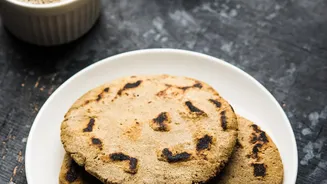
A Health-Conscious Twist on Indulgence
The movement towards mindful eating has officially entered the dessert space. Consumers are no longer willing to view indulgence as a synonym for unhealthy. This shift has inspired chefs to innovate, revisiting traditional recipes with a health-forward
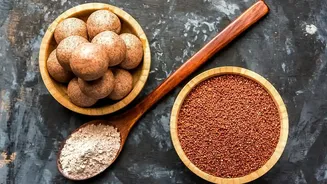
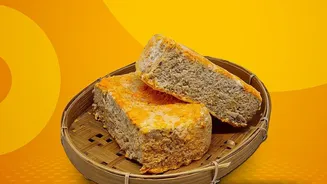
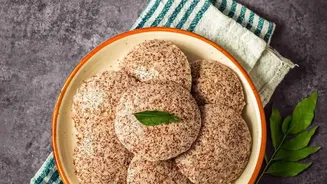
lens. Millets, a group of ancient grains once central to Indian diets, are at the forefront of this change. Bakers are replacing all-purpose flour (maida) with various millet flours—like ragi (finger millet), bajra (pearl millet), and jowar (sorghum)—to create desserts that pack a nutritional punch without compromising on flavour. This trend extends beyond brownies to include cakes, cookies, and even traditional Indian sweets, signaling a broader acceptance of these versatile grains in modern pastry.
The Nutritional Power of Millets
So, why are millets the new star ingredient? Their nutritional profile is impressive. Unlike refined flour, which is stripped of most of its nutrients, millet flours are whole grains. They are naturally gluten-free, making them an excellent choice for those with gluten sensitivities or celiac disease. Furthermore, millets are rich in dietary fibre, protein, and essential minerals like magnesium, potassium, and iron. The high fibre content aids digestion and promotes a feeling of fullness, while the complex carbohydrates provide sustained energy. This powerful combination transforms a simple brownie from a sugary snack into a more balanced, nutrient-dense treat.
The Science of the Swap
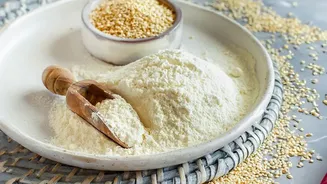
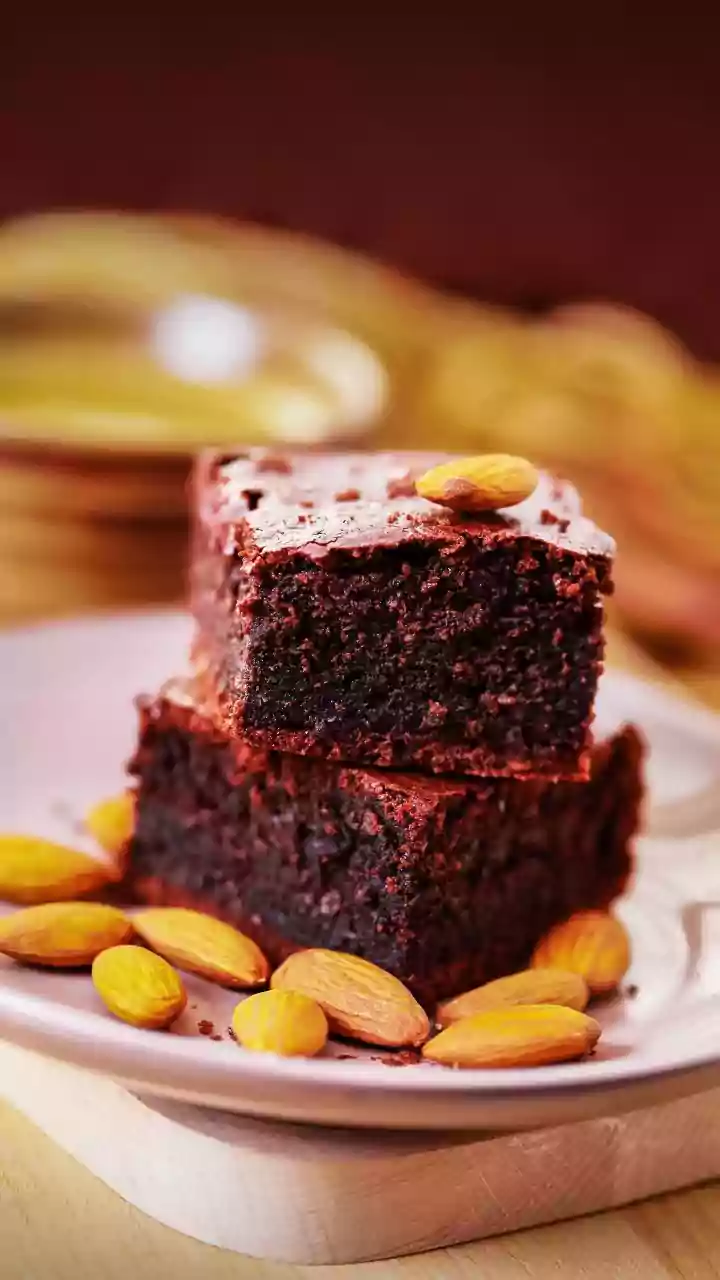
Baking is a science, and replacing a core ingredient like refined flour isn't a simple one-to-one substitution. Millet flours are gluten-free, which means they lack the protein that gives traditional baked goods their structure and chewiness. Chefs have had to experiment to get the texture just right. Millet flour is also more absorbent than wheat flour, often requiring an increase in the recipe's liquid content—like milk or oil—to prevent a dry, crumbly result. To achieve that perfect fudgy brownie, bakers often blend different millet flours or combine them with other gluten-free alternatives like almond or oat flour. This balancing act helps replicate the desired mouthfeel while introducing a subtle, nutty, and earthy flavour that beautifully complements the richness of chocolate.
Does It Still Taste Like a Brownie?
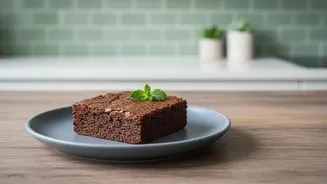
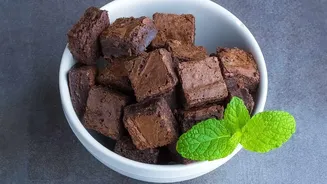
This is the crucial question for any dessert lover. The answer is a resounding yes, though with a delicious new dimension. The use of millets, particularly ragi, often imparts a deeper, slightly earthy flavour that enhances the cocoa. The texture can be just as fudgy and decadent as a traditional brownie, especially when bakers master the moisture balance. Some describe millet-based baked goods as having a heartier, more satisfying crumb. For instance, MasterChef India finalist Natasha Gandhi, who founded a millet-based bakery, has found that customers love the combination of chocolate and ragi. The goal isn't to create an identical copy of the original but to offer a new, exciting, and wholesome version of a beloved classic.
Beyond the Brownie: A Wider Trend
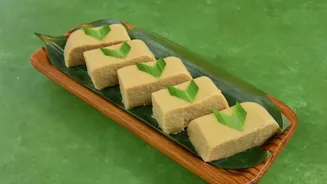
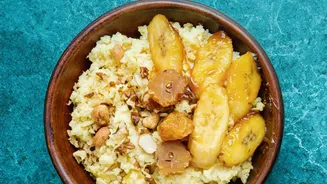
The millet movement in desserts is much bigger than just brownies. Chefs and home bakers across India are using these grains to create everything from chocolate halwa and kheer to modaks and pies. This trend reflects a growing appreciation for indigenous ingredients and a desire to connect with culinary roots in a modern context. It’s a return to the wisdom of our grandmothers, who used local, seasonal grains long before they were considered a health trend. By incorporating millets into sophisticated desserts, pastry chefs are not just making treats healthier; they are celebrating India’s rich agricultural heritage and paving the way for a more sustainable and nutritious future for baking.