






A Clear Path Through a Complex Field
Nanotechnology is a vast and often intimidating field, spanning everything from medicine to materials science. For newcomers inspired by events like India Nano 2026, the sheer breadth of the subject can be overwhelming. Where do you even begin? The key
is to find a thread that connects complex theories to tangible, real-world outcomes. One of the most effective and relevant threads for learners in India today is energy. By focusing on how nanotechnology is revolutionising the way we generate, store, and use power, abstract concepts suddenly become concrete problems to be solved. This approach doesn't just make learning easier; it makes it more purposeful.
Why Energy Makes Nanotech Relatable
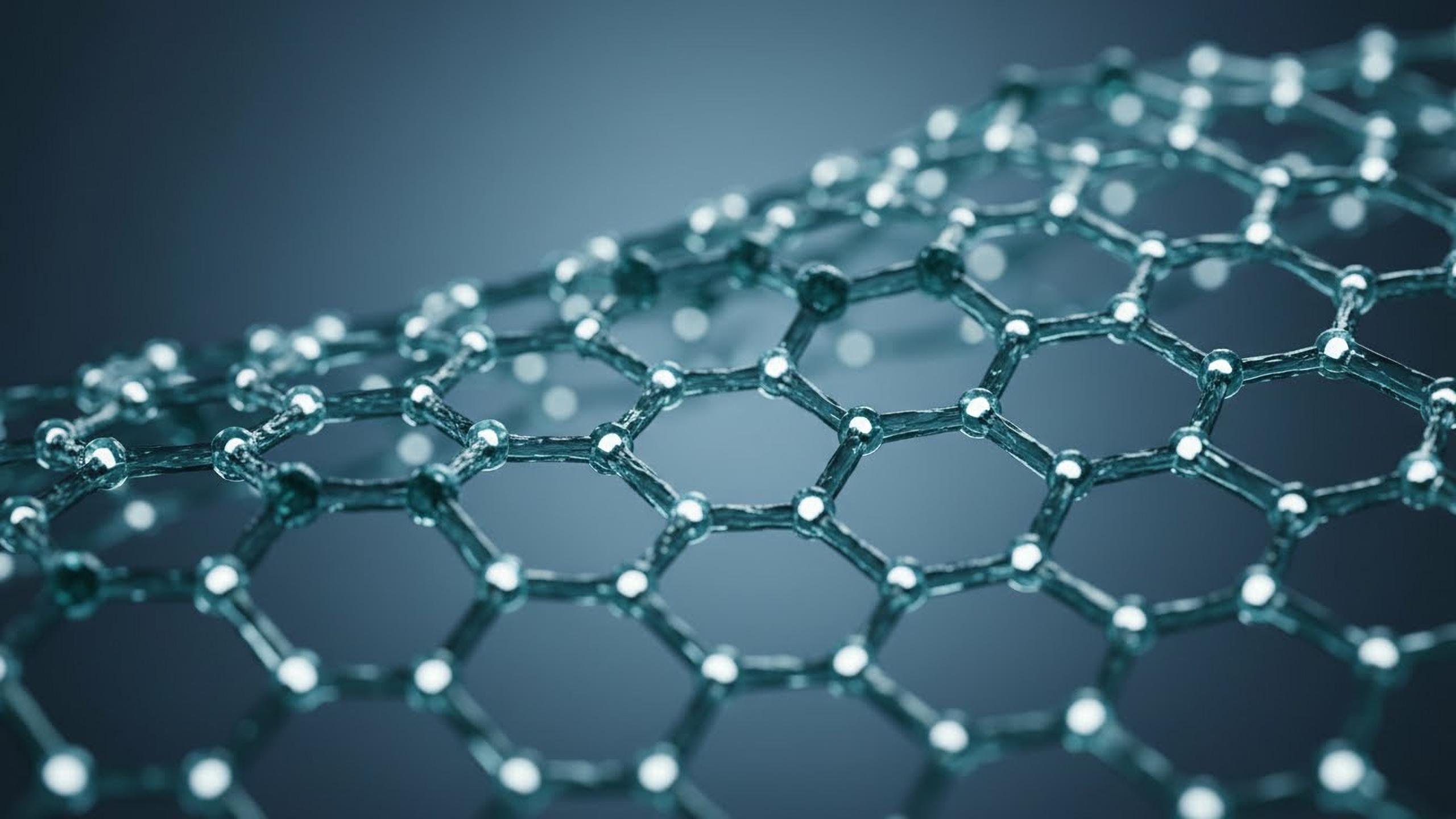
Everyone understands the need for better batteries, more efficient solar panels, and cleaner energy sources. These are not abstract scientific goals; they are practical challenges that affect our daily lives and national priorities. When you study the role of nanomaterials in improving battery life, you're not just learning about ion transport; you're learning how to make electric vehicles go further on a single charge. Research discussed at conferences like India Nano often highlights how materials like graphene, silicon nanoparticles, and carbon nanotubes are engineered to create batteries that are more powerful, faster-charging, and safer. This application-first approach provides a compelling 'why' that motivates learners to dig deeper into the 'how'.
From Solar Panels to Supercapacitors
The energy sector is brimming with examples of nanotechnology in action. Consider solar power. Scientists are using nanomaterials to dramatically improve the efficiency of photovoltaic cells. Nanostructured coatings can reduce reflection, while quantum dots can absorb a wider spectrum of light, converting more of the sun's energy into electricity. These advancements, often featured in the 'Nano in Energy & Environment' tracks at Bengaluru India Nano, show how manipulating matter at the atomic level leads to better performance. Similarly, nanotechnology is crucial for developing next-generation energy storage solutions like supercapacitors, which promise ultra-fast charging capabilities for everything from hybrid vehicles to grid-scale storage. By studying these specific use cases, learners can see fundamental principles at play.
Connecting Theory to India's Future
Focusing on energy applications does more than just aid comprehension; it aligns learning with critical national missions. India's push towards 'Atmanirbhar Bharat' (self-reliant India) and its ambitious renewable energy targets create immense opportunities for innovation in energy storage and generation. Research being done in Indian labs, such as the development of fast-charging sodium-ion batteries in Bengaluru, highlights this synergy. These batteries, which use abundant sodium instead of imported lithium, are made possible through clever use of nanotechnology to engineer materials at the nanoscale. For a student or young professional, understanding this context transforms them from a passive learner into an active participant in a vital national endeavor. It connects their education directly to a future where they can contribute to India's energy independence and technological leadership.