







Why Dasheri is the Star
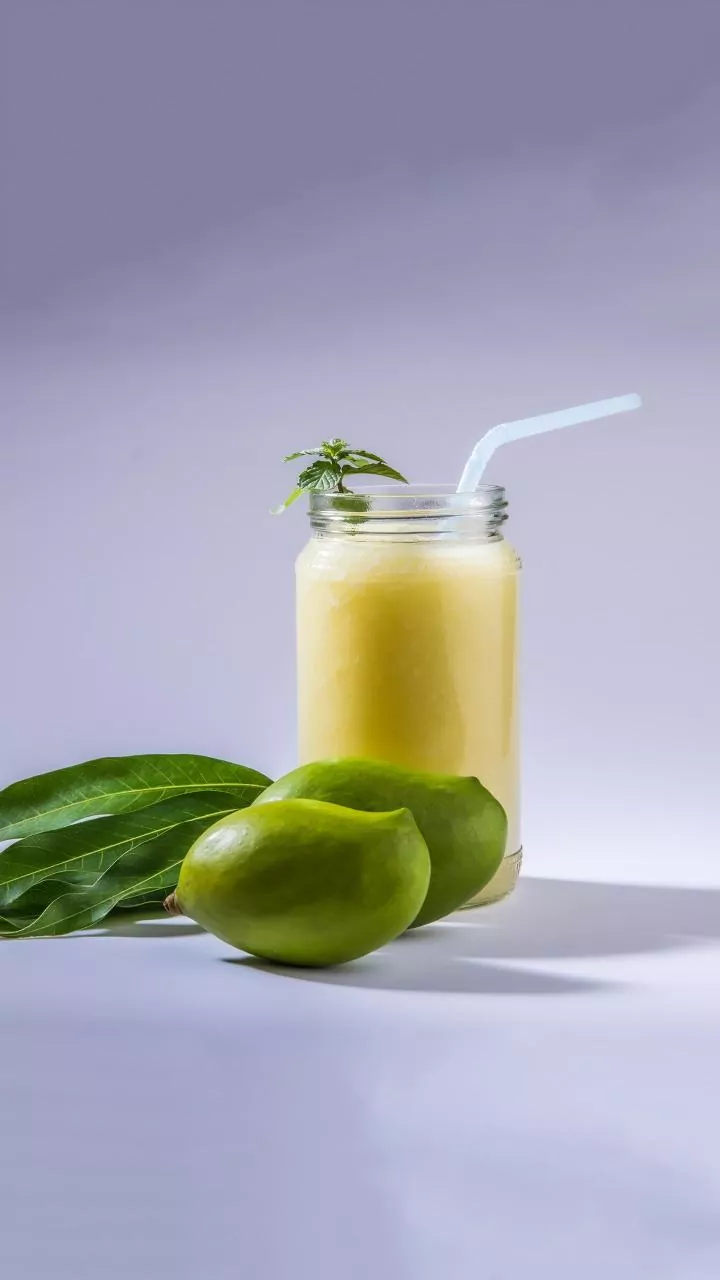
Not all mangoes are created equal, especially when it comes to creamy, no-cook desserts. While Alphonso has its own regal charm, the Dasheri mango, originating from the gardens of Malihabad in Uttar Pradesh, is the unsung hero for this recipe. Known for its exceptionally
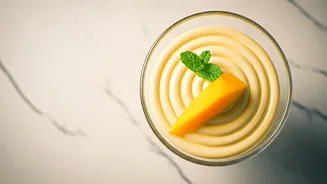
sweet, aromatic flesh and, crucially, its lack of fibrous strands, the Dasheri blends into a perfectly smooth, silky puree. Its flavour is pure sunshine—intense and honeyed, without the sharp tartness of other varieties. This means you need less added sugar, allowing the mango’s natural perfume to shine through. Using a ripe, fragrant Dasheri is the secret to achieving that 'sleek' texture the name promises, transforming a simple mix of fruit and cream into something truly sublime.
Gather Your Ingredients
The beauty of this recipe lies in its simplicity. You only need a handful of high-quality ingredients to create this dessert. There's no cooking, no gelatin, and no complicated techniques.Here’s what you’ll need:- 2 large, ripe Dasheri mangoes (should yield about 1.5 cups of puree)- 1.5 cups of heavy whipping cream (at least 35% fat content), chilled- 3 to 4 tablespoons of powdered sugar (adjust to your sweetness preference)- 1/2 teaspoon of cardamom powder (elaichi), freshly ground if possible- A handful of chopped pistachios or almond slivers for garnish- A few strands of saffron (kesar), soaked in a tablespoon of warm milk (optional, for garnish)
Step 1: Create the Perfect Pulp
The foundation of your mango cream is a flawless puree. Start by washing and peeling the Dasheri mangoes. Dice the flesh, discarding the seed and skin. Place the mango chunks into a blender or food processor. Blend until you have a completely smooth, velvety puree with no lumps. Avoid adding any water, as this will dilute the flavour and affect the final texture. If your mangoes are perfectly ripe and non-fibrous, this should take less than a minute. Once blended, pass the puree through a fine-mesh sieve. This step is optional but highly recommended for an ultra-sleek, professional finish, as it will catch any tiny fibres you might have missed. Set the smooth puree aside.
Step 2: Whip the Cream to Perfection
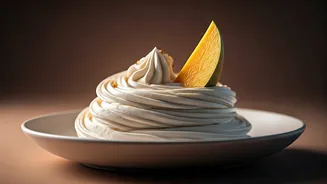
The key to a light, airy cream is using well-chilled ingredients and tools. Place your heavy cream in a deep mixing bowl. For best results, you can also chill the bowl and the beaters of your electric mixer for about 15-20 minutes in the freezer. Begin whipping the cream on a low speed, gradually increasing to medium-high. Once the cream starts to thicken and form soft peaks (when you lift the beater, a peak forms and then softly curls over), it's time to add the sugar and cardamom powder. Continue whipping until you achieve stiff peaks—the peaks should hold their shape firmly when the beater is lifted. Be careful not to over-whip, or the cream will turn grainy and start to separate into butter.
Step 3: Fold, Chill, and Serve
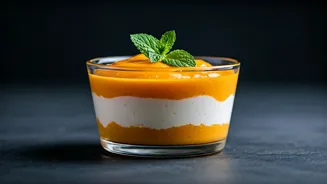
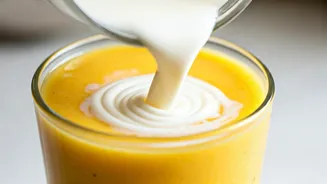
This is where the magic happens. Take about one-fourth of your whipped cream and gently mix it into the mango puree. This lightens up the puree, making it easier to combine with the rest of the cream without deflating it. Now, add the lightened mango mixture to the remaining whipped cream. Using a spatula, gently fold the two together. Use a cutting motion through the centre and sweep around the bowl, turning the bowl as you go. Continue this folding motion until the mixture is just combined and has a uniform pale orange colour. Avoid vigorous stirring. Once combined, spoon the mango cream into individual serving glasses or a single large bowl. Cover with cling film and chill in the refrigerator for at least 4 hours, or preferably overnight. Chilling is essential for the flavours to meld and for the cream to set properly.