


North: The Sattvic Fast
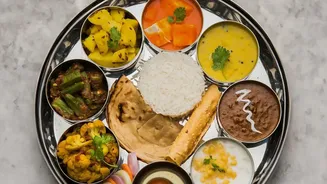
In North India, Navratri is synonymous with a strict vegetarian fast, or 'vrat'. The diet, known as Sattvic, is designed to be pure, light, and energy-giving, aiding in spiritual focus. This means abstaining from grains like wheat and rice, lentils, onions,
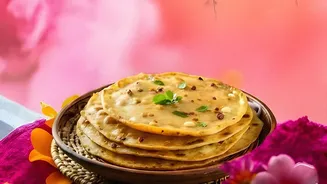
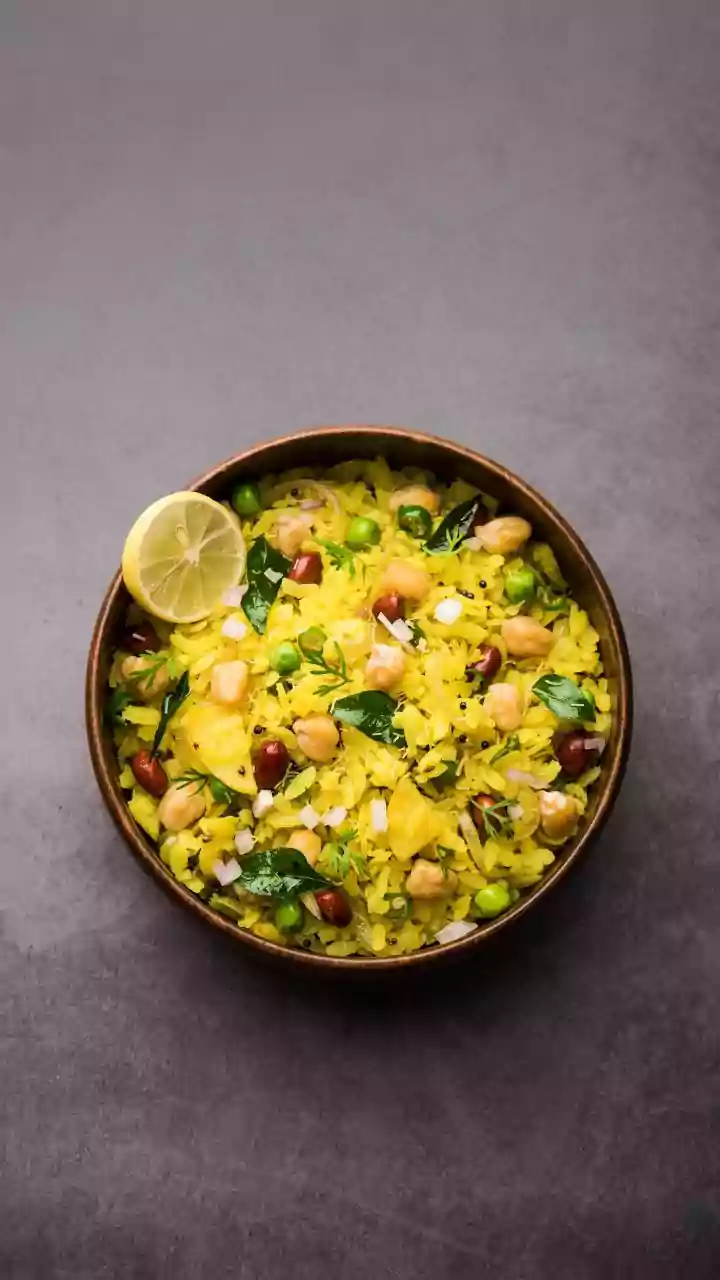
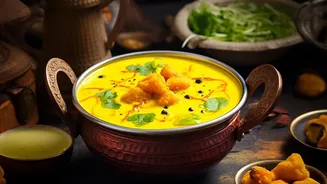
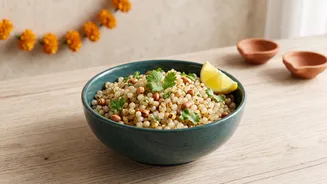
and garlic. Instead, the pantry is filled with alternative flours and ingredients. Buckwheat flour (kuttu ka atta), water chestnut flour (singhare ka atta), and amaranth flour (rajgira) become the staples for making puris, parathas, and cheelas. Sabudana (tapioca pearls) is another hero ingredient, transformed into the beloved Sabudana Khichdi—a light yet filling dish tossed with peanuts and potatoes. Potatoes, sweet potatoes, pumpkin, and bottle gourd are common vegetables, cooked in simple preparations using rock salt (sendha namak) instead of regular table salt. The meals, though restrictive, are delicious and thoughtfully prepared, from crispy Kuttu Pakoras to creamy Makhana Kheer (puffed lotus seed pudding).
West: Creative & Flavourful Fasting
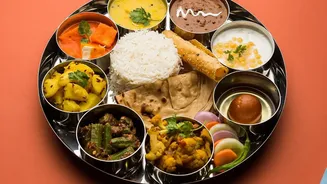
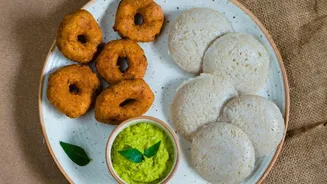
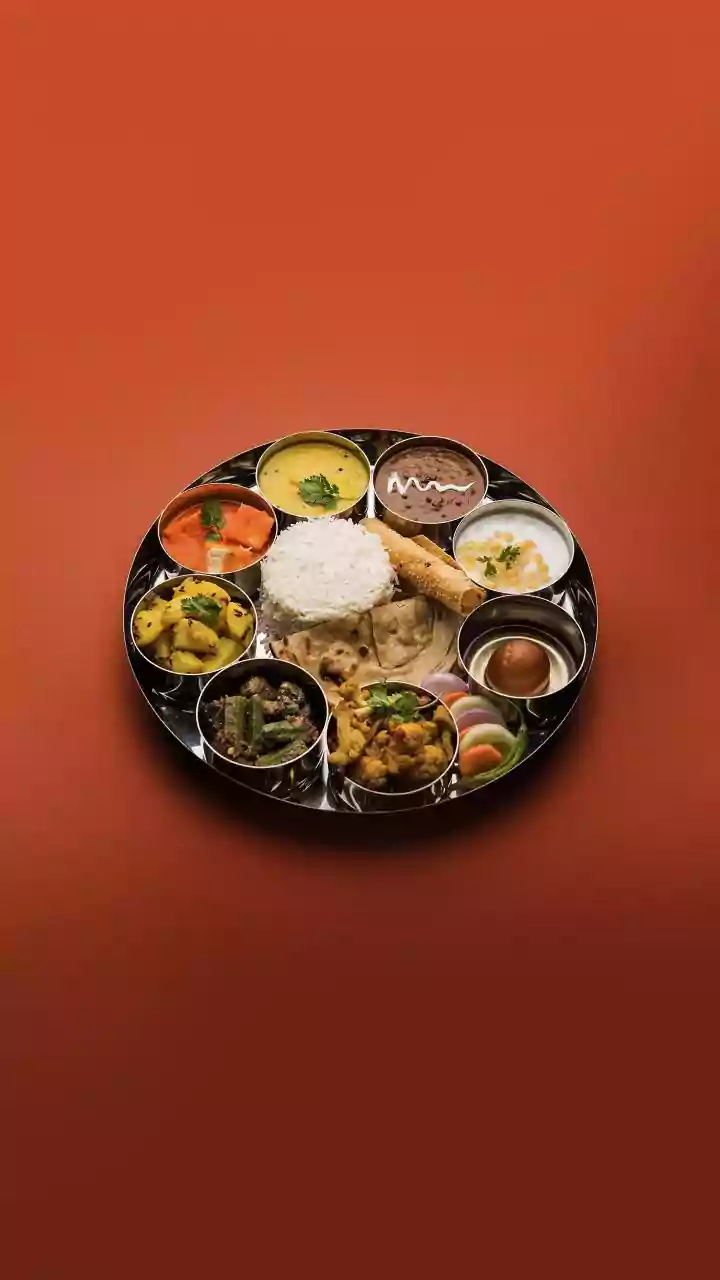
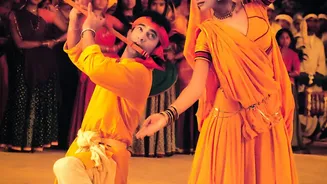
Moving to Western India, particularly Gujarat and Maharashtra, the spirit of fasting continues, but with a distinct flair for creative and flavourful dishes. Sabudana remains popular, appearing not just as khichdi but also as crispy, deep-fried vadas, a snack enjoyed by many. The Gujarati 'farali' (fasting) menu is extensive, featuring dishes like Farali Pattice (potato patties stuffed with coconut and nuts) and Rajgira Puri. While fasting rules are observed, there's an emphasis on creating a satisfying meal. In Maharashtra, the Navratri thali often includes a variety of dishes like sabudana khichdi, puris made from singhara flour, and creamy coconut chutney. Peanuts are used generously, adding crunch and richness to many preparations. The food is meant to provide sustained energy for festivities like Garba and Dandiya, which are central to the celebrations in this region.
South: A Celebration of Legumes
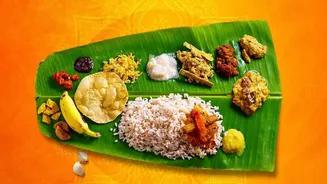
In South India, especially in Tamil Nadu, Karnataka, and Andhra Pradesh, the approach to Navratri food is markedly different. While some observe fasts, the more prominent tradition is the preparation of 'sundal'. Sundal is a simple yet protein-rich savoury snack made from various legumes and pulses. Each day of Navratri, a different kind of sundal is prepared, offered as 'prasadam' to the goddess, and then distributed to guests who visit homes to see the 'Golu'—an elaborate display of dolls. Varieties include chickpeas, black-eyed peas, peanuts, and green gram, which are boiled and then lightly tempered with mustard seeds, curry leaves, and fresh coconut. Unlike the grain-free fasts of the North, the focus here is on this specific ritual offering, which is both nutritious and delicious. Sweet dishes like Payasam (a milk-based pudding) are also prepared as part of the offerings.
East: A Grand Culinary Feast
In stark contrast to the rest of the country, Navratri in Eastern India, particularly in West Bengal, coincides with Durga Puja, a grand festival that is more about feasting than fasting. Here, the nine days are a celebration of the goddess's homecoming, and the food reflects this joyous mood. While many households avoid onion and garlic in the 'bhog' (food offered to the deity), the meals are elaborate and often include a wide array of vegetarian and, in many communities, non-vegetarian dishes like fish and mutton from the sixth day (Shasthi) onwards. The quintessential Durga Puja bhog is Bhoger Khichuri, a fragrant one-pot dish made with roasted moong dal, Gobindobhog rice, and vegetables, often tempered in mustard oil. This is typically served with 'labra' (a mixed vegetable curry), 'beguni' (eggplant fritters), tomato chutney, and 'payesh' (rice kheer). It’s a culinary celebration that brings the community together in pandals for hearty meals.