






Adapted to Our Climate by Default
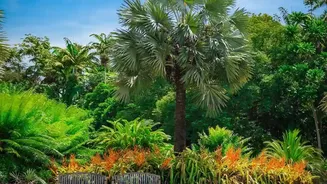
The primary reason native plants succeed is simple: they belong here. These are species that have evolved over thousands of years to perfectly suit India’s diverse and often extreme climates. Whether it's the scorching pre-monsoon heat, the deluge of the rainy
season, or the specific soil type of your region, native plants have a genetic roadmap to handle it. While exotic, ornamental plants might look beautiful in a nursery, they often struggle to adapt to local conditions, requiring constant intervention. Native species, on the other hand, are already prepared for the environmental challenges, making them naturally resilient and hardier.
Less Work, More Reward
This natural adaptation translates into significant practical benefits for the urban gardener. Native plants generally require far less maintenance. Because they are suited to the local rainfall patterns, they demand less watering—a crucial advantage in cities grappling with water scarcity. Furthermore, they are naturally resistant to local pests and diseases, which drastically reduces the need for chemical pesticides and fertilisers. This not only saves you time, money, and effort but also fosters a healthier, chemical-free environment in and around your home. Once established, many native plants can thrive with minimal human help.
Creating Urban Sanctuaries for Wildlife
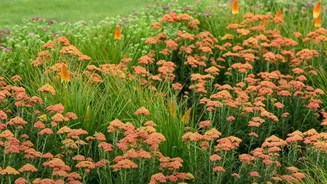
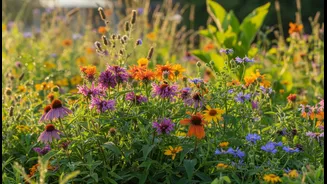
A garden filled with native plants does more than just look good; it becomes a living ecosystem. These plants provide essential food, shelter, and breeding grounds for local wildlife that have co-evolved with them. Native flowering plants like hibiscus, marigold, and jamun attract native bees, butterflies, and birds, turning your balcony or terrace into a small biodiversity hotspot. In contrast, many exotic plants are like a food desert for local fauna, offering little to no value. By planting native species, you actively help in restoring ecological balance that is often lost in urban landscapes.
Improving the Urban Environment
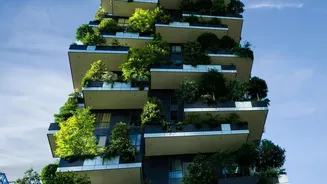
The benefits of native plants extend beyond individual gardens to the wider urban environment. Their deep and extensive root systems are excellent for improving soil health, preventing erosion, and helping with groundwater recharge—critical services in concrete jungles. A landscape rich in native species can help mitigate the urban heat island effect by providing effective shade and cooling. They also play a role in cleaning the air. By choosing native trees and shrubs for community parks and roadside planting, cities can build a more resilient and sustainable green infrastructure from the ground up.
A Connection to Our Cultural Roots
Beyond the ecological and practical advantages, there's a cultural dimension to cultivating native plants. Many of these species are deeply intertwined with our traditions and heritage. Think of the revered Tulsi in courtyards, the medicinal properties of Neem, or the use of Amla and Jamun in our food. Planting them is a way of preserving this rich botanical and cultural legacy. It reconnects us to the natural world that is specific to our region, offering a sense of place and identity that a foreign ornamental plant simply cannot provide.