





The Difference Between a Cloud and Smog
It is easy to confuse a natural, harmless fog with a man-made, hazardous smog. A real cloud or fog consists of water droplets suspended in the air. It might reduce visibility, but it is fundamentally clean. The haze that often smothers our urban centres,
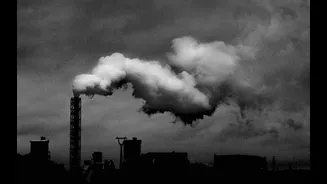
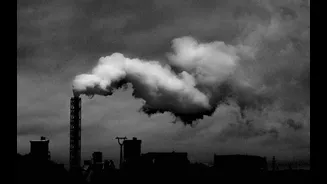
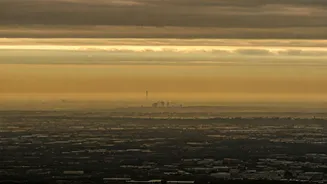
however, is very different. Known as smog—a term born from combining 'smoke' and 'fog'—it is a thick soup of air pollutants. Visually, while natural fog is typically white or grey, smog often has a yellowish or brownish tint, a direct result of the chemicals it contains. This urban haze is a visible warning sign of poor air quality, formed when pollutants from various sources become trapped near the ground, often by weather patterns like temperature inversions.
An Invisible Cocktail of Toxins
So, what is this urban haze actually made of? The primary culprits are fine particulate matter, known as PM2.5 and PM10. These are microscopic particles, far smaller than a grain of sand, that can get deep into our respiratory system. They come from a wide range of sources, including vehicle exhaust, industrial emissions, construction dust, and the widespread practice of burning coal and agricultural waste. The chemical mix also includes harmful gases like nitrogen oxides (NOx), sulfur dioxide (SO2), and ground-level ozone (O3). These pollutants react with sunlight and moisture in the atmosphere to form a persistent, unhealthy haze that can linger for days, affecting vast areas.
From Your Lungs to Your Entire Body
The health consequences of breathing this polluted air are severe and widespread. The tiny PM2.5 particles are the most dangerous because they are small enough to penetrate deep into the lungs and even enter the bloodstream. This can lead to a host of health problems. Short-term exposure can cause eye and throat irritation, coughing, and shortness of breath. Long-term, the risks are much greater, including chronic respiratory conditions like asthma and bronchitis, decreased lung function, and an increased risk of heart attacks, strokes, and even lung cancer. Studies have directly linked long-term exposure in India to millions of premature deaths and a reduced life expectancy, particularly in highly polluted cities. Children and the elderly are especially vulnerable to these devastating effects.
Beyond Personal Health: Wider Impacts
The impact of this pervasive haze extends beyond our bodies. It significantly impairs visibility, leading to an increased risk of traffic accidents and disruptions to air travel. Environmentally, these pollutant particles can be carried by wind over long distances before settling on land and water. Depending on their chemical makeup, they can make soil and water bodies more acidic, damage sensitive crops and forests, and upset entire ecosystems. There is also an economic cost, from strained healthcare systems to lost productivity. Furthermore, the pollutants can stain and damage buildings and culturally important monuments over time, slowly erasing our shared heritage.
How to Protect Yourself and Stay Informed
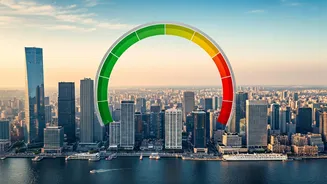
While large-scale policy changes are essential to tackle the root causes of air pollution, there are practical steps you can take to reduce your personal exposure. Start by checking the daily Air Quality Index (AQI) for your area, which is now easily accessible on many weather apps and websites, including Google Maps. The AQI uses a color-coded scale to tell you how clean or polluted your air is. On days with high pollution levels ('Unhealthy' or worse), it is best to limit strenuous outdoor activities, especially for children and the elderly. If you must be outside, consider wearing a high-quality N95 or KN95 mask. At home, using air purifiers can help improve indoor air quality. Making conscious choices like carpooling, using public transport, and conserving energy can also contribute to a collective solution.