






What Is Iodine and Why Do We Need It?
Iodine is a vital micronutrient that our bodies cannot make, meaning we must get it from our diet. Its most critical job is to produce thyroid hormones. These hormones, produced by the thyroid gland in your neck, are the master regulators of your body's
metabolism, controlling everything from your heart rate and body temperature to how efficiently you convert food into energy. Iodine is especially crucial for brain development in unborn babies and young children, making it essential for pregnant and breastfeeding women. In short, this tiny element has a huge impact on our growth, energy, and cognitive function.
The Silent Problem of Deficiency
When the body doesn't get enough iodine, it can lead to a range of issues known as Iodine Deficiency Disorders (IDDs). The most visible sign is a goitre, which is a swelling of the thyroid gland in the neck as it works overtime to capture what little iodine it can find. But the effects can be more subtle and severe. Symptoms of an underactive thyroid (hypothyroidism) include fatigue, unexpected weight gain, dry skin, hair loss, and feeling cold. For pregnant women, even mild deficiency increases the risk of miscarriage, stillbirth, and developmental problems in the baby, potentially leading to irreversible brain damage. In fact, iodine deficiency is considered the world's most preventable cause of brain damage.
India's Successful Fight Against Deficiency
India's entire population is considered prone to iodine deficiency because the soil across the subcontinent is naturally low in the mineral. Recognising this widespread public health threat, the Government of India launched the National Goitre Control Programme in 1962, following a successful trial in Himachal Pradesh. This programme evolved into the National Iodine Deficiency Disorders Control Programme (NIDDCP) in 1992, with a focus on universal salt iodisation. Fortifying salt with iodine is a safe, simple, and cost-effective way to deliver this essential nutrient to the entire population. Today, this initiative is seen as a major public health success, with surveys showing that over 90% of Indian households use iodised salt.
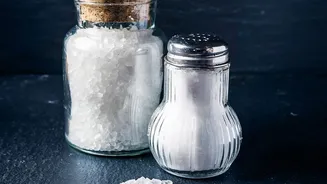
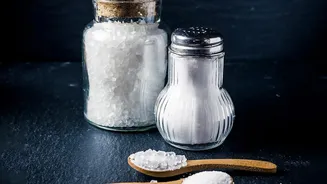
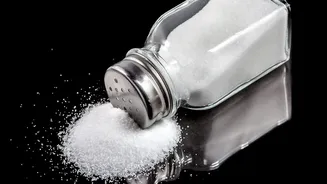
Iodised Salt: The Simple Solution
Why salt? It's the perfect vehicle for fortification because it's consumed by nearly everyone in stable, predictable amounts. The process of adding iodine (in the form of potassium iodate) is inexpensive and doesn't change the taste or appearance of the salt. An adult typically needs about 150 micrograms (mcg) of iodine per day. Pregnant and breastfeeding women need more, around 220-290 mcg. Using iodised salt in daily cooking is an easy way to meet this requirement and protect your family's health. Always check the packaging for the 'smiling sun' logo or the words 'iodised salt' to ensure you are buying the fortified version.
What Are Other Dietary Sources of Iodine?
While iodised salt is the most reliable source, iodine is also naturally present in some foods. The best sources are often from the sea. Seafood like fish and shrimp, as well as sea vegetables like kelp and nori, are rich in iodine. Dairy products (milk, yogurt, cheese) and eggs also contain iodine. Plant-based foods like cereals and grains can contain iodine, but the amount varies widely depending on the iodine content of the soil they were grown in, which is generally low in India. For this reason, relying on these foods alone may not be sufficient to prevent deficiency, highlighting the importance of iodised salt.
Can You Have Too Much Iodine?
While essential, it is possible to consume too much iodine, though it's uncommon from diet alone. Excessive intake, usually from high-dose supplements, can also disrupt thyroid function, sometimes causing hypothyroidism (underactive thyroid) or, less commonly, hyperthyroidism (overactive thyroid). The Tolerable Upper Intake Level for adults is 1,100 mcg per day. Symptoms of very high intake can include a brassy taste in the mouth or digestive irritation. The amount of iodine in fortified salt is carefully regulated to be safe and effective, making it highly unlikely to cause problems when used for normal cooking and seasoning.