





The Winter Culprits Behind a Dry Scalp
The primary reason for winter scalp dryness is a sharp drop in humidity. Cold air holds significantly less moisture than warm air, and this dry environment actively pulls moisture from your skin and scalp. To make matters worse, we escape the cold by
turning up indoor heating, which further dries out the air, creating a double-whammy of dehydration. This lack of moisture can weaken the scalp's natural barrier, leading to irritation, tightness, and those tell-tale white flakes. Even our cozy winter habits can contribute. Longer, hotter showers feel great on a cold day, but they strip the scalp of its natural protective oils (sebum), leaving it more vulnerable to dryness. Furthermore, reduced blood circulation in the cold can mean fewer nutrients reach your hair follicles, compounding the issue.
Step 1: The Power of Gentle Exfoliation
Think of scalp exfoliation like spring cleaning for your hair follicles. It’s the process of removing the buildup of dead skin cells, excess oil, and leftover hair product residue that shampoo alone can't always clear away. When this buildup accumulates, it can clog follicles, contribute to flakiness, and prevent your scalp from breathing and absorbing moisture properly. By gently exfoliating, you create a clean, balanced surface. This not only alleviates itchiness and reduces flakes but also allows subsequent treatments, like nourishing oils and conditioners, to penetrate more effectively. A clean scalp is the foundation for healthy hair, and exfoliation helps create the ideal environment for your hair to thrive.
Physical vs. Chemical: Choosing Your Method
There are two main ways to exfoliate your scalp. Physical exfoliation uses manual friction to lift away dead skin. This can be done with a product containing small, grainy particles like sugar or with a special scalp brush. It provides immediate satisfaction but should be done gently to avoid causing irritation. Chemical exfoliation uses ingredients like salicylic, glycolic, or lactic acids to dissolve the bonds holding dead skin cells to the surface. This method is often gentler, especially for sensitive or very dry scalps, as it doesn't involve scrubbing. For winter dryness, a chemical exfoliant or a very fine-particle physical scrub is often the best choice, used no more than once or twice a week to avoid over-stripping the skin.
Step 2: Replenish With Nourishing Oils
After exfoliating, or as a separate treatment, oils are your scalp's best friend for restoring lost moisture. Scalp oiling is an ancient practice that involves massaging oil into the scalp to hydrate the skin, nourish the hair follicles, and create a protective barrier against the dry environment. The massage itself is beneficial, boosting blood circulation to deliver more nutrients to the roots. Applying oil as a pre-shampoo treatment is a fantastic way to protect your scalp from the stripping effects of even a mild shampoo. Simply apply it 30 minutes to an hour before washing to soften flakes and deeply condition the skin.
The Best Oils for a Thirsty Scalp
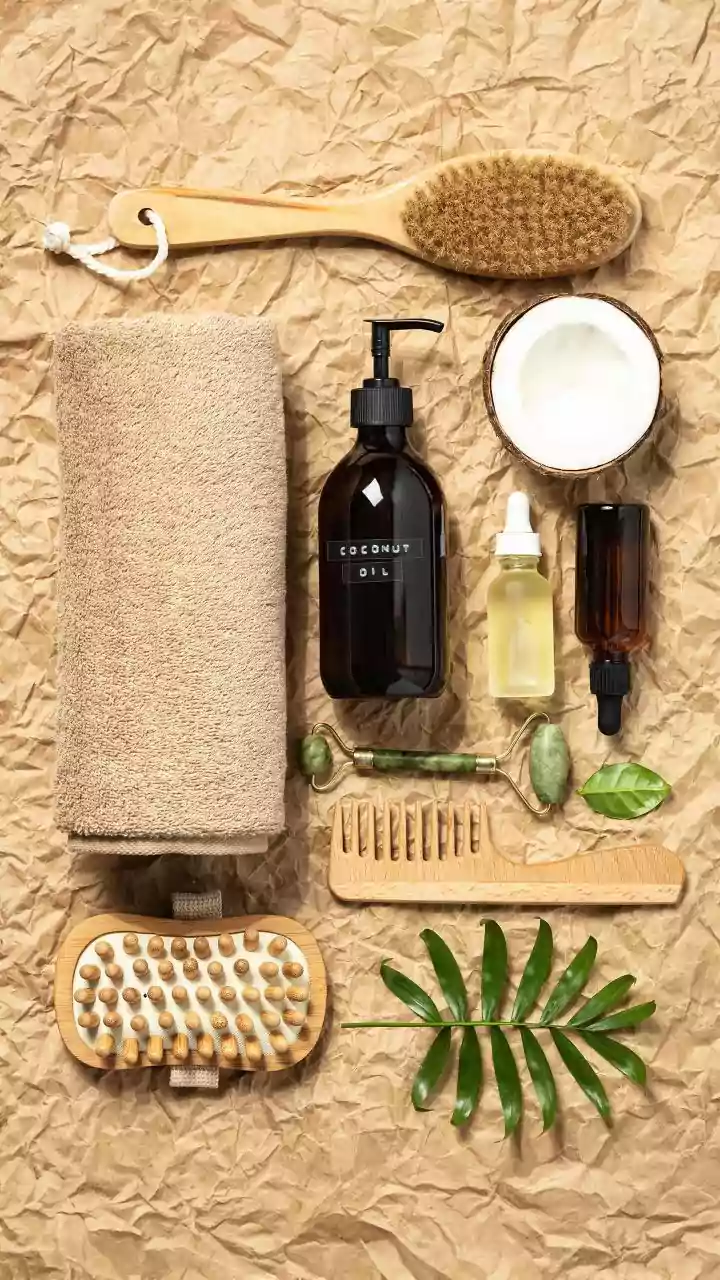
Not all oils are created equal. For winter dryness, you want oils that moisturize without being overly greasy. Jojoba oil is a top choice because its structure is remarkably similar to the scalp's natural sebum, allowing it to absorb quickly and help balance moisture levels. Coconut oil is another powerhouse, known for its deep moisturizing properties and fatty acids that penetrate the hair shaft to reduce protein loss. For itchiness, a few drops of tea tree oil mixed with a carrier oil like jojoba or coconut can provide soothing relief, thanks to its natural antimicrobial and anti_inflammatory properties. When applying, part your hair into sections and use your fingertips to massage a small amount of oil directly onto the scalp.