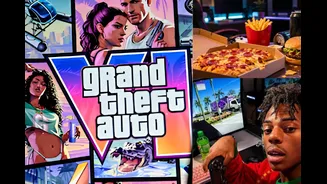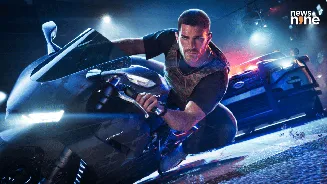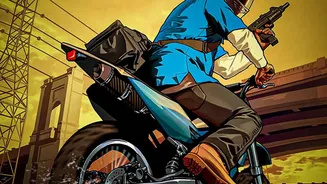






As millions of players dive into the long-awaited world of Grand Theft Auto 6, a fascinating secondary effect is playing out in the real world. The immersive, hours-long gaming sessions are fuelling a massive surge in fast-food and snack orders.
An Unprecedented Gaming Event
The release
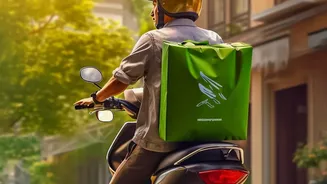
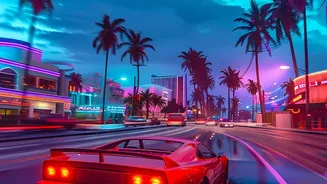
of Grand Theft Auto 6 on November 19, 2026, was more than just a game launch; it was a global cultural event over a decade in the making. With an estimated 15.88 million digital pre-orders generating around $1.54 billion before it even went live, the game's debut was historic. As players settled in for marathon sessions in the fictional world of Vice City, their real-world habits shifted dramatically. One of the biggest changes was how they ate. To avoid breaking their immersion, millions turned to food delivery apps, creating a predictable and highly valuable surge for the fast-food industry.
The Data Behind the Delivery Boom
The numbers confirm the trend. Market intelligence firm Sensor Tower projected that the game's release would drive 50 million extra visits to U.S. food delivery and fast-food apps in its first month alone. On launch night, the results were immediate. DoorDash reported that orders for chips, burgers, fries, and pizza all jumped by more than 10% during peak gaming hours. Uber Eats saw an even sharper spike in Miami, the real-life inspiration for Vice City, where late-night orders surged by over 30%. Specific items saw incredible growth, with orders for Red Bull Watermelon climbing 95% and Totino's Pizza Rolls by 54% as gamers stocked up on fuel.
Why Gamers Are a Golden Goose
This isn't just a fleeting trend. The gaming community has long been a powerful, if sometimes overlooked, consumer demographic. Studies have shown that dedicated gamers are prime customers for delivery services. They often order more frequently than non-gamers, prioritising convenience to maximise their playtime. A poll by DoorDash and YouGov found that gamers order 70% more often than regular customers. Recognising this, delivery platforms like Zomato and Swiggy in India have increasingly targeted gamers through promotions and partnerships, understanding that for this audience, a quick meal is part of the gaming experience itself.
Brands Get in on the Action
Food and beverage brands have become incredibly savvy at tapping into gaming's cultural moments. Since the GTA franchise famously parodies real-world brands, official collaborations are rare. This has forced companies to get creative. Popeyes launched a limited-time 'Spice City' chicken sandwich, a clear nod to Vice City, encouraging players to order it 'between missions'. Mooyah Burgers offered a '6-STAR Combo' with a chance to win a PS5 and the game. Meanwhile, McDonald's integrated its ordering system into the gamer communication platform Discord, allowing players to get McDelivery without leaving their chat. These marketing moves show a deep understanding of gamer culture, meeting the audience where they are with relevant offers.
The Evolution of 'Gamer Fuel'
While pizza and energy drinks remain staples, the definition of 'gamer snacks' is expanding. The modern trend is toward convenience and mess-free formats that can be eaten one-handed without interrupting gameplay. This has led to a rise in popularity for items like popcorn, pretzels, and even healthier options like protein chips and beef sticks. As one report noted, savoury snacks are growing faster in gaming occasions than sweet ones, with popcorn sales up 79% year-over-year among gamers. Food brands are also focusing on resealable bags and formats that keep keyboards and controllers clean—a small but crucial detail for serious players.