




A True Winter Jewel
While modern cultivation makes pomegranates available almost year-round, their traditional peak harvest season in many parts of India aligns with the cooler months. Growers often manage the trees to fruit during the 'mrig bahar' cycle, which results in a harvest from
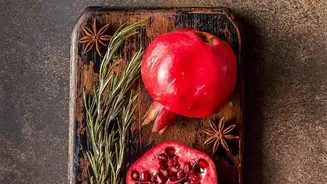
December through February. This makes it a quintessential winter fruit, offering a burst of juicy brightness during a season known for heartier foods. The Bhagwa variety, with its glossy saffron skin and deep red arils, is particularly popular and well-suited for markets due to its hardiness and sweet taste. Its arrival signifies a time of festive abundance and natural goodness, providing a fresh and vibrant counterpoint to the season's richer fare.
A Powerhouse of Health Benefits
Pomegranate is more than just a tasty fruit; it is lauded as a superfood for its dense nutritional profile. The seeds, or arils, are packed with powerful antioxidants like punicalagins and anthocyanins, which are compounds that help protect the body's cells from damage. Its antioxidant activity is said to be three times higher than that of red wine or green tea. Regular consumption is linked to numerous health advantages, including supporting heart health by potentially lowering blood pressure and reducing bad cholesterol. The fruit also has anti-inflammatory properties, which may help manage chronic conditions. Furthermore, it is a good source of fibre, vitamin C, folate, and potassium.
How to Pick the Perfect Pomegranate
Choosing a good pomegranate is key to enjoying its juicy rewards. Don't be solely guided by colour, as it can range from deep red to reddish-brown depending on the variety. Instead, look for a fruit that feels heavy for its size, which indicates that the arils inside are plump and full of juice. The skin should be firm, smooth, and leathery. A ripe pomegranate often loses its perfectly round shape and becomes slightly angular or squared as the seeds expand. Avoid fruits with soft spots, bruises, or cracks that expose the arils, as these are signs of spoilage. Once you bring them home, whole pomegranates can be stored in the refrigerator for several weeks.
The Mess-Free Way to Get the Seeds
The process of de-seeding a pomegranate can seem intimidating, but a simple technique makes it quick and clean. First, score the pomegranate around its 'equator', cutting only through the red peel, not deep into the fruit. Then, firmly pry the two halves apart. Hold one half, cut-side down, over a large bowl and firmly tap the back of the fruit with a sturdy wooden spoon or spatula. The arils will fall out easily into the bowl. Rotate the fruit as you tap to ensure all the seeds are released. Any stubborn white membrane that falls into the bowl can be easily picked out. This method avoids the stains and mess often associated with preparing this fruit.
Beyond a Simple Garnish
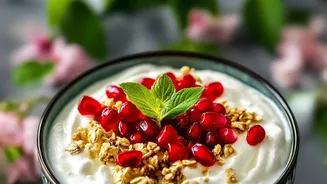
In Indian cuisine, pomegranate seeds, known as 'anardana' when dried, are a versatile ingredient. Fresh arils add a sweet-tart crunch and a pop of colour to a wide range of dishes. They are famously sprinkled over chaats, dahi vadas, and salads. Pomegranate raita, or pachadi, is a refreshing side dish where the juicy seeds provide a delightful contrast to the creamy yogurt. The seeds can also be used to garnish pulaos, biryanis, and even curries, adding a final touch of elegance and flavour. In traditional medicine system Ayurveda, the fruit, known as 'Dadima', is valued for its cooling properties and benefits for digestion and blood purification.