






Beyond 'Good' or 'Bad': The Problem of Distribution
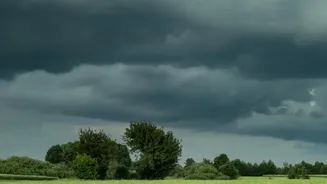
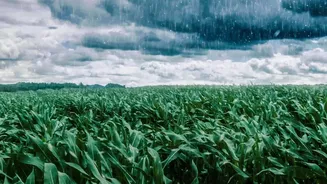
When we talk about the monsoon, we often focus on whether it's 'normal' or 'below normal'. However, the real story for agriculture lies in the details of its distribution. An 'uneven' monsoon means two things: spatial and temporal irregularity. Spatially,
some regions can be battling floods while others in the same country face drought-like conditions. For instance, recent IMD reports for August 2026 show heavy rainfall warnings for eastern states like Odisha while other parts of the country remain deficient. Temporally, it means rain doesn't fall steadily over the season. Instead, it might arrive in short, intense bursts that cause flooding and soil erosion, followed by long, dry spells that wither crops. One or two days of heavy downpours cannot compensate for weeks of dryness, especially during critical growth stages for Kharif crops.
The Kharif Crops on the Frontline
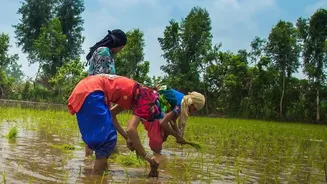
The crops most vulnerable to erratic rains are those grown during the Kharif (summer) season, which are predominantly rain-fed. Nearly half of India's farmland lacks access to irrigation, making these crops entirely dependent on the monsoon. The list includes essential staples like pulses (the source of our dals), oilseeds (like groundnut and soybean), coarse cereals, and cotton. While irrigated crops like sugarcane and, to some extent, rice have a buffer, the sowing and health of pulses and oilseeds are directly tied to rainfall patterns. Sowing data from mid-August 2026 already indicates a lag in key crops like rice and a decline in overall oilseed acreage compared to the previous year, reflecting farmers' response to the inconsistent rainfall.
From Parched Fields to Price Spikes
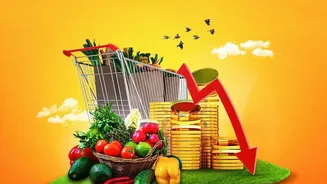
The journey from a failed crop to a higher bill at the kirana store is a direct one. Uneven rainfall creates a multi-pronged crisis. First, poor initial rains can lead to delayed or reduced sowing, shrinking the potential harvest from the start. Second, if heavy rains arrive after a dry spell, they can damage standing crops or, worse, destroy them completely. This creates immediate supply shortages. Third, extreme weather events like floods wash away roads and disrupt transport, preventing the produce that is harvested from reaching the wholesale markets, or mandis. This trifecta of reduced sowing, crop damage, and supply chain disruption means less food is available. When supply dwindles while demand remains constant, prices inevitably rise. This has been a recurring concern flagged by the Reserve Bank of India, which has noted that an adverse monsoon poses a significant risk to the nation's inflation outlook.
The First Dominoes to Fall: Vegetables and Pulses
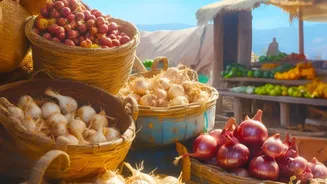
Consumers often feel the impact first in the prices of perishable goods like vegetables. Items like onions, tomatoes, ginger, and garlic have a short shelf life and are highly sensitive to supply disruptions. Reports from July 2026 showed a significant spike in food inflation, with prices for ginger, garlic, and onions rising sharply. This happens because any hitch in the daily arrival of these goods to market is felt almost immediately. Pulses are another critical category. As they are largely rain-fed, any deficit or irregularity in the monsoon can severely impact their production, leading to price rises that affect the protein source for millions of Indian households. Economists have pointed out that crop damage from excess rain, following dry spells, could specifically push up the prices of pulses.