


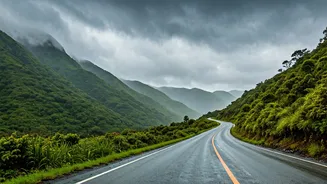



The Obvious Danger: Slippery Trails
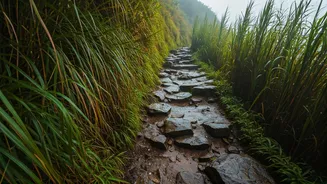
The most immediate effect of rain is on the trails themselves. Paths that are easy to navigate when dry can become slick, muddy, and treacherous. Loose soil, wet rocks, and mossy stones dramatically increase the risk of slips and falls, which can lead
to everything from minor sprains to serious injuries, especially on steep inclines. Trekking poles can provide extra stability, and it's essential to wear waterproof footwear with a deep tread and excellent grip. Slow down your pace, take shorter steps to maintain balance, and always be aware of your footing. It's also wise to avoid hiking on trails known for clay soil, which can become exceptionally slippery and prone to erosion.
The Greater Threat: Landslides and Rockfalls
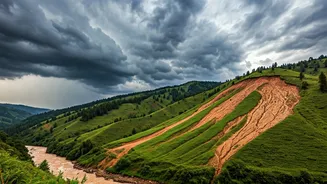
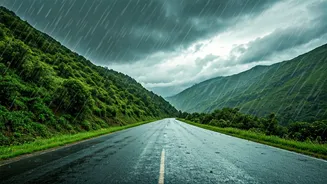
A far more serious risk in hilly regions during the monsoon is landslides. Heavy rainfall saturates the soil on steep slopes, making them unstable and prone to collapse. In India, major hill stations in states like Himachal Pradesh, Uttarakhand, and parts of the Western Ghats are particularly vulnerable. Unplanned construction and deforestation have further destabilised these fragile ecosystems. The danger isn't just a distant threat; it's a recurring pattern, with major roads often blocked and communities cut off. It's advisable to avoid travelling at night when visibility is low and to never stop your vehicle in areas with signs of soil erosion or cracks in the road. Always check local weather advisories and road conditions before and during your trip.
Navigating Roads and Rivers
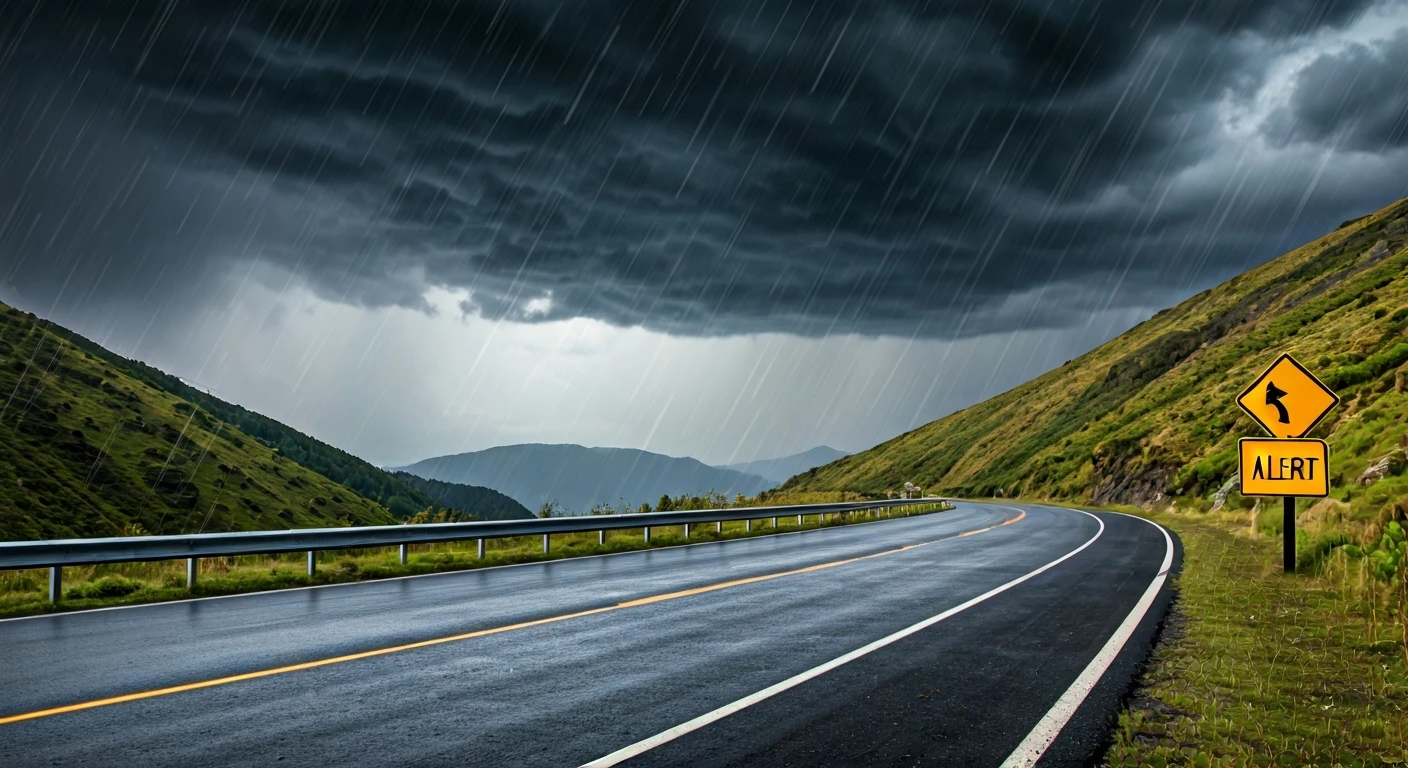
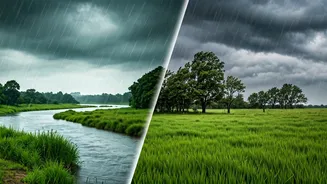
Driving on hill roads requires extra vigilance after rain. Reduced visibility, slippery surfaces, and the risk of hydroplaning call for slower speeds and maintaining a safe distance from other vehicles. It's crucial to ensure your vehicle's tyres, brakes, and wipers are in perfect condition before you start. Using a lower gear while descending helps avoid overheating the brakes. Similarly, what was once a gentle stream can become a raging torrent after a downpour. Never attempt to cross fast-flowing water, whether on foot or in a vehicle. Flash floods can occur with little warning, and the depth and current of the water can be deceptive. If heavy rain begins, it is often safest to pull over and wait for conditions to improve.
Health and Hygiene on the Go
Monsoon travel brings its own set of health concerns. The high humidity and stagnant water create breeding grounds for mosquitoes, increasing the risk of diseases like dengue and malaria. It's essential to use mosquito repellent and wear long-sleeved clothing, especially in the evenings. Water contamination is another major issue. Always drink boiled, purified, or bottled water to avoid waterborne illnesses such as cholera and gastroenteritis. Be cautious about street food, which is more susceptible to bacterial growth in the damp weather; opt for freshly cooked meals instead. Keeping your feet clean and dry can help prevent fungal infections, a common ailment during the rainy season.
Gearing Up for the Monsoon
Proper preparation can make all the difference. Your packing list should prioritise function over fashion. Invest in a reliable raincoat, quick-drying clothes, and waterproof bags or covers for your electronics and other belongings. An emergency kit is non-negotiable. It should include a first-aid kit, a flashlight, a power bank, essential medications, and some non-perishable snacks and water. Before you leave, inform family or friends about your itinerary and save emergency contact numbers for local authorities. Downloading offline maps can also be a lifesaver in areas with poor network connectivity. Finally, build buffer days into your travel plans to account for potential delays from road closures or bad weather.