







The Double Assault on Your Skin
Delhi's winter presents a two-front battle for your skin. First, the cold, dry air itself is a major culprit for dehydration. Cold air holds significantly less moisture than warm air, creating an environment where water evaporates from your skin more
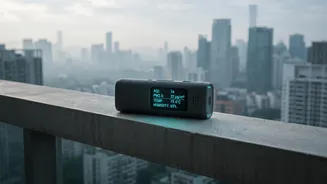
rapidly in a process called transepidermal water loss. Indoor heating only makes this worse by further reducing humidity, leaving skin feeling tight, flaky, and stressed. Second, the city's notorious winter smog introduces a layer of toxic pollutants. This smog is a complex mix of fine particulate matter (PM2.5), ozone, nitrogen oxides, and other chemicals from vehicle exhaust, industrial emissions, and crop burning. These particles don't just sit on your skin; they are small enough to infiltrate pores and hair follicles, creating damage from within.
How Smog Weakens Your Skin's Defenses
Your skin has a natural protective shield called the skin barrier, made of lipids and cells, designed to keep moisture in and irritants out. Pollution, particularly PM2.5, wages a direct attack on this barrier. When pollutants make contact with the skin, they generate unstable molecules called free radicals. This process, known as oxidative stress, breaks down essential skin components like collagen and the lipids that hold the barrier together. Studies show that exposure to PM2.5 can inhibit the production of vital proteins like filaggrin, which is crucial for barrier function. A compromised barrier loses water more easily and becomes more permeable to allergens and irritants, leading to inflammation, increased sensitivity, redness, and even premature ageing.
Step 1: Cleanse Thoroughly, But Gently
The most crucial step to combat pollution is getting it off your skin at the end of the day. Because pollutants mix with oil, sunscreen, and dead skin cells, a single wash is often not enough. Consider double cleansing in the evening. Start with an oil-based cleanser to dissolve makeup and particulate matter, then follow with a gentle, hydrating, sulphate-free cleanser and lukewarm water. Avoid harsh, stripping formulas and very hot water, as these can further weaken an already stressed skin barrier.
Step 2: Neutralise Damage with Antioxidants
Since you can't entirely avoid pollution, the next best thing is to neutralise the damage it causes. This is where antioxidants come in. These ingredients act as a defence force, neutralising the free radicals generated by smog before they can harm your skin cells. A Vitamin C serum is an excellent choice for a morning routine, as it helps protect against environmental aggressors throughout the day and can also help brighten a dull complexion. Other powerful antioxidants to look for in serums and moisturisers include Vitamin E, Ferulic Acid, and Niacinamide.
Step 3: Rebuild and Hydrate Your Barrier
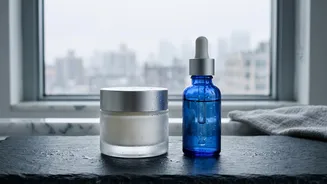
With the barrier under constant attack, your routine should focus on actively rebuilding and hydrating it. Look for ingredients that replenish the skin's natural structure. Ceramides are lipids that are fundamental to the skin barrier, and applying them topically helps fill in the cracks caused by environmental damage. Hyaluronic acid is another hero ingredient; it's a humectant that draws moisture into the skin, helping to combat the dehydrating effects of both cold air and pollution. Applying a serum with hyaluronic acid on damp skin followed by a moisturiser can effectively lock in hydration.
Step 4: Moisturise and Create a Shield
In winter, your lightweight summer moisturiser might not be enough. Switch to a richer cream that provides both hydration and a protective seal. An effective moisturiser for polluted winter conditions should contain a mix of humectants (like hyaluronic acid and glycerin), emollients (to soften skin), and occlusives. Occlusive ingredients like shea butter or even petrolatum create a thin physical barrier on the skin's surface. This not only prevents water from evaporating but also provides an extra layer of defence against particulate matter settling into your pores.