






The Original Thirst Quencher
Long before carbonated drinks colonized our refrigerators, India had a sophisticated and diverse culture of cooling beverages. At the heart of it was the sherbet, or sharbat, a concept that travelled to us from Persia and blossomed into a thousand local
variations. The word itself, derived from the Arabic 'shariba' (to drink), hints at a storied past. These weren't just sweet drinks; they were complex concoctions served in Mughal courts, prescribed by Unani hakims, and perfected by grandmothers as a delicious antidote to the subcontinent's searing heat. They were the original welcome drink, the original digestive, and the original festive toast, all poured from a single, fragrant bottle.
A Symphony of Flavours and Flowers
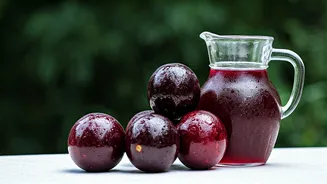
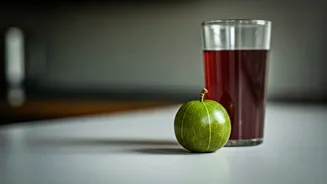
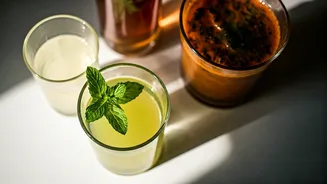
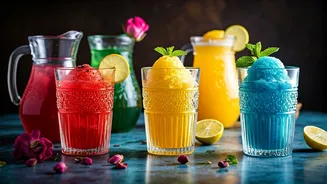
The beauty of traditional sherbets lies in their incredible range, drawing from a pantry of flowers, fruits, herbs, and spices. Think of the deep, earthy, and almost smoky aroma of Khus (vetiver grass) sherbet, a drink that tastes like the first rain on parched earth. Or consider the brilliant crimson of a Rose sherbet, fragrant and floral, instantly transporting you to a royal garden. Each sip is a sensory experience. There's the tangy-sweet punch of Phalsa (Indian sherbet berry), a fleeting summer delight, or the woody, medicinal comfort of Bael (wood apple), a gut-soothing classic. These aren't artificial flavours from a lab; they are the concentrated essence of nature itself.
The Wisdom in the Glass
Indian sherbets were never just about taste; they were functional beverages rooted in the wisdom of Ayurveda and Unani medicine. Our ancestors understood the concept of food as medicine, and sherbets were a prime example. Khus and Bael are renowned for their cooling (taseer) properties, essential for surviving harsh summers. Kokum, the pride of the Konkan coast, yields a delightful ruby-red sherbet that is a brilliant digestive and an antidote to sun-induced fatigue. Down south, Nannari (sarsaparilla root) sherbet is a celebrated 'body coolant' and blood purifier. In a modern wellness landscape obsessed with 'functional foods' and 'natural ingredients,' traditional sherbets stand out as the original, time-tested answer.
Reclaiming the Narrative
So why have these liquid treasures been relegated to the background? The rise of mass-produced, heavily marketed soft drinks played a huge role, offering convenience and aspirational branding that was hard to compete with. Sherbets became something 'old-fashioned', associated with a slower, pre-liberalisation era. But today, a shift is underway. A growing number of consumers are seeking authenticity, looking to reconnect with their heritage, and prioritising natural, clean ingredients over synthetic alternatives. This is the perfect climate for a sherbet renaissance. Small-batch, artisanal brands are reviving old recipes, and home cooks are proudly sharing their family secrets online. They are reframing sherbets not as a relic of the past, but as a timeless, sustainable, and utterly delicious choice for the present.