







The Simplest Superpower: Walking
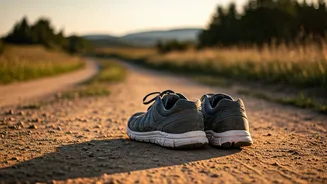
Yes, the habit everyone loves is walking. It might sound too simple to be true, but this fundamental human movement is experiencing a massive resurgence for a reason. While high-intensity workouts have their place, the gentle, consistent, and sustainable
nature of walking makes it a powerhouse for long-term health. It requires no special equipment, no expensive fees, and no complicated techniques. It’s a democratic form of exercise, available to almost everyone, regardless of age or fitness level. In our rush to find the next big thing in fitness, we often overlook the profound benefits of simply putting one foot in front of the other. But science and millions of daily walkers are proving that this humble activity is one of the most potent wellness tools we possess.
Your Body on a Walk
The physical benefits of a regular walking habit are extensive and well-documented. A brisk 30-minute walk most days of the week is a cornerstone of a healthy lifestyle. For starters, it’s brilliant for your heart. Walking helps lower blood pressure, reduce bad cholesterol (LDL), and increase good cholesterol (HDL), significantly cutting your risk of cardiovascular disease. It also helps with weight management by burning calories and boosting your metabolism. Unlike high-impact exercises that can be tough on your body, walking is gentle on the joints, making it an ideal choice for people with arthritis or those recovering from injury. Furthermore, regular walks improve blood sugar control, enhance circulation, strengthen your bones, and even boost your immune system, making you less susceptible to common illnesses.
A Workout for Your Mind
The magic of walking extends far beyond the physical. It is, in many ways, a form of moving meditation. When you walk, your body releases endorphins, the body's natural mood-lifters and painkillers. This is why a simple walk can melt away the stress of a long day and leave you feeling calmer and more optimistic. Studies show that regular walking can reduce symptoms of anxiety and depression as effectively as some therapies. It’s also a powerful tool for boosting creativity and clearing your head. The rhythmic motion of walking allows your mind to wander freely, fostering new ideas and helping you solve problems. Stuck on a work issue or a creative block? A 20-minute walk is often more effective than staring at a screen. It’s a break that doesn’t just refresh your body, but reboots your brain.
Making the Habit Stick
Knowing the benefits is one thing; building the habit is another. The key is to start small and make it enjoyable. Forget the '10,000 steps' rule if it feels intimidating. Start with a 10-minute walk each day. Once that feels easy, extend it to 15, then 20. Try 'habit stacking' by linking your walk to an existing routine, like walking for 15 minutes right after you finish your morning chai or immediately after work. Make it a non-negotiable part of your day, like brushing your teeth. To keep it interesting, explore new routes, listen to your favourite podcast or playlist, or call a friend while you walk. Finding a 'walking buddy' can also provide motivation and accountability. The goal isn't to punish yourself; it's to create a ritual you genuinely look forward to.
Elevate Your Everyday Walk
Once you’ve established a consistent routine, there are plenty of ways to add variety and increase the challenge. Brisk walking, where you're moving fast enough that you can talk but not sing, is more effective for cardiovascular health than a slow stroll. Introduce intervals by walking at a normal pace for a few minutes and then speeding up for 60 seconds. Find routes with inclines—walking uphill is a fantastic workout for your glutes and legs. You could also try 'rucking,' which involves walking with a weighted backpack, to build strength. Exploring nature trails or parks not only adds a scenic element but also engages more muscles as you navigate uneven terrain. The possibilities are endless, ensuring your free fitness habit never becomes boring.