






An Annual Crisis Hits Home
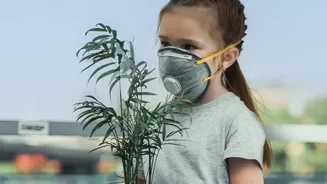
Delhi's battle with severe air pollution is a well-documented annual event. This November is no different. As the Air Quality Index (AQI) remains in the 'Very Poor' to 'Severe' categories, authorities have implemented Stage III of the Graded Response
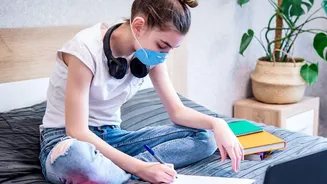
Action Plan (GRAP). This has prompted a shift to hybrid or online classes for younger students in Delhi and surrounding NCR districts, effectively confining them to their homes for extended periods. While intended to protect their physical health from the toxic air, this forced isolation is raising urgent questions about its psychological toll. Experts warn that the combination of restricted movement, limited social interaction, and increased screen time is creating a perfect storm for childhood anxiety.
From a Physical Threat to a Mental Burden
The link between air pollution and mental health is an area of growing research. Studies have indicated that exposure to pollutants can contribute to depression and anxiety in adolescents. Fine particulate matter like PM2.5 can cross the blood-brain barrier, potentially causing neuroinflammation and altering brain chemistry. However, the current anxiety spike is also driven by secondary effects. Being cooped up indoors for days on end disrupts routine, limits physical exercise, and severs crucial social connections with peers—all vital for a child's emotional regulation. A survey conducted during previous pollution peaks in Delhi-NCR found that nearly 70% of children felt stressed and worried due to poor air quality, with many reporting feelings of irritation and fear.
The Double-Edged Sword of Online Learning
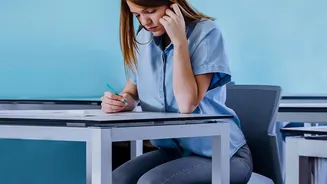
Online classes have become the default solution to ensure educational continuity, but they are not without consequences. The shift to digital learning drastically increases screen time, which is independently linked to symptoms of anxiety and depression in children. The format can also lead to feelings of isolation, cognitive fatigue, and difficulty concentrating. For many students, especially those from lower-income households, the challenges are magnified by unreliable internet connections and a lack of quiet study space, adding another layer of stress. While some children may find a safer environment away from school pressures, many struggle with the lack of in-person interaction and the blurring of lines between home and school life.
How Parents Can Identify the Signs
Anxiety in children doesn't always look like adult worry. Parents should watch for behavioral changes. Common signs include increased irritability, restlessness, and mood swings. Some children may have difficulty concentrating, while others might complain of physical symptoms like frequent headaches or stomachaches. Changes in sleep patterns, avoidance of situations they once enjoyed, and becoming more withdrawn are also red flags. Experts emphasize that these symptoms are a normal response to an abnormal situation, but they require acknowledgment and support. Opening a dialogue and validating their feelings without asking leading questions like 'Are you anxious?' can help children feel safe to express what they are experiencing.
Navigating the New Normal
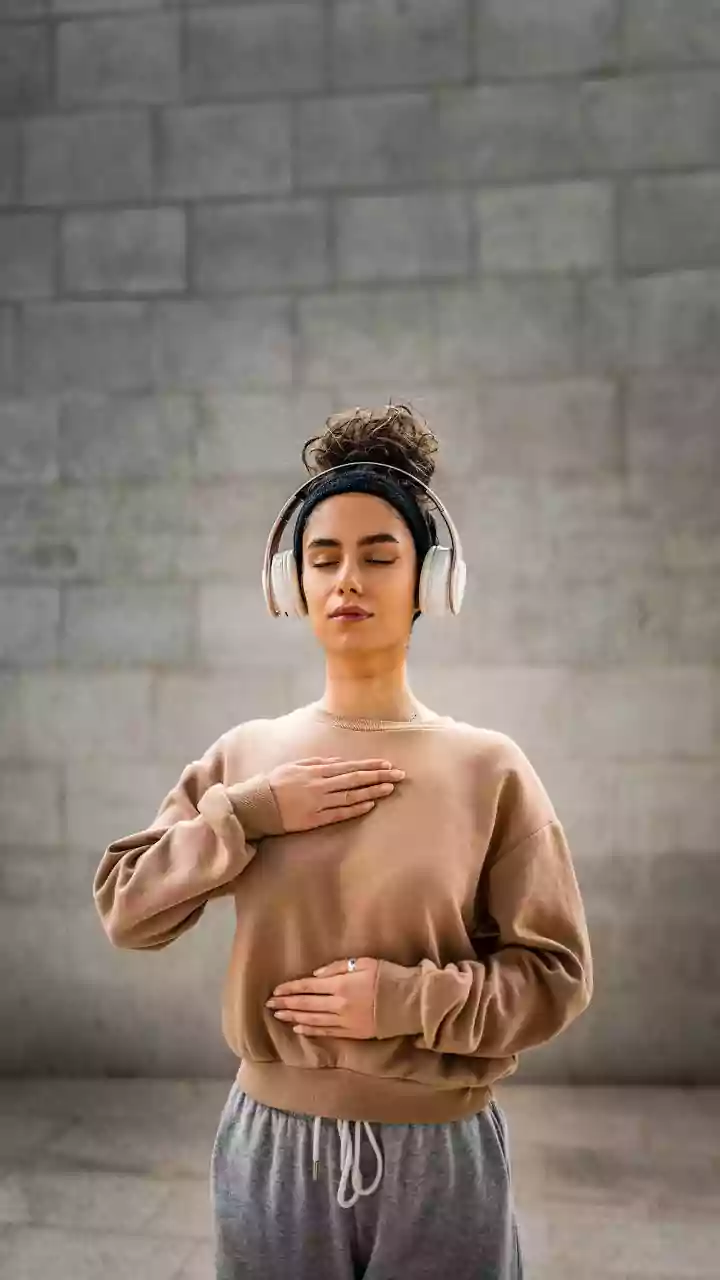
While parents cannot control the air quality, they can take steps to mitigate the psychological impact. Establishing a consistent daily routine is crucial, as predictability provides a sense of security for anxious children. This includes set times for meals, study, and sleep. Encouraging physical activity indoors, even simple exercises or dancing, can help manage stress and boost moods. It's also important to set clear boundaries around screen time to ensure children have offline breaks. Simple grounding techniques, like deep breathing exercises, can be taught to help children manage overwhelming emotions. Ultimately, experts suggest that modeling healthy coping mechanisms is one of the most powerful tools. When parents manage their own stress calmly, they teach their children invaluable resilience.