


What Exactly Is Kanji?
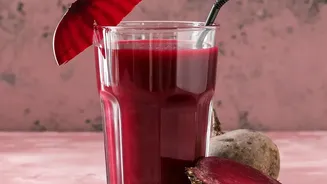
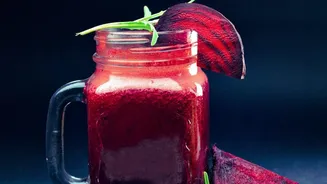
Kanji is a traditional fermented beverage originating from the Indian subcontinent, particularly popular in North Indian states like Punjab, Uttar Pradesh, and Rajasthan. At its heart, it's a simple concoction of black carrots, water, salt, and coarsely
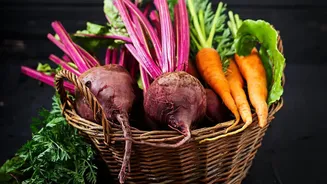
ground mustard seeds. This mixture is placed in a glass or ceramic jar and left to ferment in the sun for several days. The process gives the drink its signature deep purplish colour, along with a unique tangy, pungent, and slightly salty taste. While traditionally made with seasonal black carrots, which appear in winter, variations using red carrots and beetroot are also common to replicate its iconic colour and earthy flavour.
A Sip of History and Tradition
For generations, Kanji has been a seasonal staple, deeply woven into the cultural fabric of North India. It is most famously associated with the festival of Holi, where it's served as a refreshing and digestive counterpoint to festive foods. The preparation was a household ritual, with large jars set out in the winter sun, a process passed down through generations. More than just a beverage, Kanji represents a connection to seasonal eating and traditional wisdom, a liquid embodiment of home and nostalgia for many who grew up with it. Its existence is a testament to India's long history of fermentation, a practice used for centuries to preserve food, enhance flavour, and improve nutrition.
The Probiotic Powerhouse Explained
The headline's mention of a "probiotic tonic" is no exaggeration. The magic of Kanji lies in lacto-fermentation, a natural process where beneficial bacteria, primarily lactic acid bacteria, convert the sugars in carrots into lactic acid. This process not only preserves the drink but also populates it with probiotics—live microorganisms that are excellent for gut health. A healthy gut microbiome is linked to numerous benefits, including improved digestion, reduced bloating, and a stronger immune system, as a significant portion of our immune cells reside in the gut. Packed with antioxidants like anthocyanins from the black carrots, Kanji also helps fight inflammation and oxidative stress.
The Great Urban Revival
So, why is this age-old drink suddenly reappearing on city menus and in urban kitchens? The comeback is fueled by a perfect storm of modern wellness trends. There's a growing global and national interest in gut health, with consumers actively seeking out fermented foods like kombucha and kefir. This has led to a rediscovery of India's own rich traditions of fermentation. People are increasingly moving away from sugary, processed drinks towards natural, healthier alternatives. This 'back to roots' movement is further amplified by social media, where home chefs and wellness influencers are popularising traditional recipes. Restaurants and cafes are also tapping into this trend, offering Kanji as a unique, culturally rich, and healthy beverage option.
How to Make Your Own Kanji at Home
Bringing this tradition home is surprisingly simple. You'll need black carrots (or red carrots with beetroot), water, coarsely ground mustard seeds, and salt. Start by washing and cutting the carrots into sticks and placing them in a large, sterilised glass or ceramic jar. Add the ground mustard, salt, and any optional spices like red chili powder or asafoetida (hing). Pour in boiled and cooled water, ensuring the carrots are fully submerged, then give it a good stir. Cover the mouth of the jar with a muslin cloth and place it in direct sunlight for three to five days, stirring once daily with a clean spoon. You'll know it's ready when the liquid turns cloudy and tastes distinctly sour and tangy. Once fermented, you can store the Kanji in the refrigerator for an extended period.