





The Undeniable 'Why'
Creating a record of your home’s finishes isn't just for super-organised types; it's a practical strategy that saves money, time, and stress. When a tile cracks, a wall gets scratched, or a floorboard is damaged, having the exact replacement information
on hand turns a potential crisis into a minor inconvenience. You'll avoid the dreaded game of trying to match colours from a blurry photo or, worse, having to redo an entire surface because the original material is a mystery. This documentation is also a significant value-add if you ever decide to sell your home. A detailed manual shows potential buyers that the house has been well-maintained and cared for, providing them with a seamless transition.
Paint: A Formula for Success
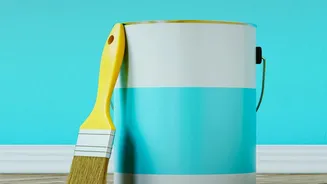
Leftover paint cans often become unreadable messes or dry out completely. To avoid this, create a master paint record. For each colour, note the brand, the specific colour name and code, the sheen (e.g., matte, satin, semi-gloss), and which rooms it was used in. You can keep this information in a digital note, a spreadsheet, or a physical binder. A clever trick is to write this information on a piece of tape and stick it to the back of a light switch plate in the corresponding room. Another great method is to collect the paper paint chips for every colour used. Punch a hole in them and keep them on a binder ring, creating a portable swatch book you can take with you when shopping for furnishings.
Tiles, Flooring, and Fabrics
The logic extends to all materials. For tiles and flooring, the batch or dye lot number is crucial. Two boxes of the 'same' tile from different batches can have slight variations in colour and size that are glaringly obvious once installed. Always aim to keep at least one spare box of your primary tiles for future repairs. Record the product name, manufacturer, supplier, and any relevant codes. Take photos of the boxes before you discard them. For custom upholstery or curtains, keep a small cutting of the fabric, along with the supplier and fabric name. This information is your insurance against the discontinuation of a product line, ensuring you can find a suitable match or replacement.
Create a Central Home Manual
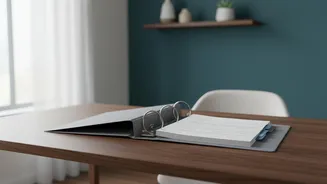
The best system is one you'll actually use. Consolidate all this information into a single, accessible 'Home Manual'. This can be a physical three-ring binder or a dedicated folder on a cloud service. Your manual should include sections for paint, tiling, flooring, appliance manuals, and contractor contact information. For spare materials, label them clearly. Write the room and date on leftover paint cans. Store spare tiles in their original box if possible, or in a clearly marked container. Designate a specific, logical storage spot—a dry shelf in the garage, a particular corner of the attic, or a labelled bin in a storeroom. Consistency is key; always know where to look.
Proper Storage for Longevity
Your spare materials are only useful if they are in good condition when you need them. For leftover paint, clean the rim of the can before sealing it tightly to prevent air from getting in and drying it out. Storing it upside down can create a better seal. Tiles are durable but can chip or crack. Store them vertically or stacked carefully in a box, not directly on a concrete floor where they can absorb moisture. Keep them in a dry, temperature-controlled environment away from direct sunlight, which can cause fading over time. Spare wood or laminate flooring should be laid flat to prevent warping. A little care in storage ensures your 'just in case' materials are ready when that day comes.