




Cosmic Visitors From Halley's Comet
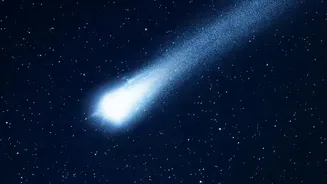
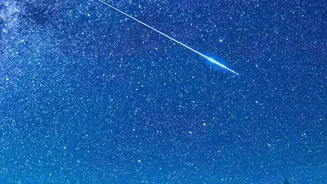
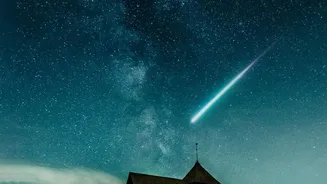
The Orionid meteor shower is an annual highlight for sky-watchers, known for its fast and often brilliantly bright meteors. These shooting stars are not stars at all, but tiny pieces of cosmic dust burning up in our atmosphere. What makes the Orionids
particularly special is their famous parent: Halley's Comet. Each October, Earth passes through the trail of debris left behind by this legendary comet during its 76-year journey around the sun. While Halley's Comet itself won't return to our skies until 2061, it leaves behind this yearly reminder of its passage. We actually cross Halley's path twice, creating the Eta Aquarid shower in May and the Orionids in October.
The Challenge: A Bright Moon
The Orionids will be active from early October to early November, but the best time to watch is during the peak. For 2026, the peak is expected on the night of October 21-22. This is when Earth plows through the densest part of the debris stream, potentially offering up to 20 meteors per hour in a perfectly dark sky. However, this year's peak coincides with a waxing gibbous moon, which will be about 80% illuminated. A bright moon acts like natural light pollution, making it difficult to see the fainter meteors that make up the bulk of any shower. The sky simply won't be dark enough for the best viewing during the early evening hours.
Your Best Bet: The Pre-Dawn Window
While the moonlight is a problem, it doesn't make viewing impossible. The key this year is timing. On the peak mornings of October 21 and 22, the bright moon will set around 3 a.m. local time. This opens a crucial window of true darkness between moonset and the beginning of dawn twilight (around 5 a.m.). This pre-dawn period is your best opportunity to see the Orionids. The shower's radiant—the point in the sky where the meteors appear to originate, near the constellation Orion—will also be high in the sky at this time, which generally leads to more visible meteors. So, instead of a late-night vigil, an early morning alarm will be far more rewarding.
Tips for a Successful Watch
First and foremost, get away from city lights. Even a short drive to a darker, rural area can dramatically increase the number of meteors you'll see. Once you're there, give your eyes at least 20-30 minutes to fully adapt to the darkness; avoid looking at your phone screen, as its light will ruin your night vision. You don't need a telescope or binoculars, as they restrict your field of view. The best tool is patience. Lie back on a blanket or reclining chair and simply look up. While the meteors radiate from Orion, they can appear anywhere in the sky. For an extra advantage during the moonlit hours, try to position yourself in the shadow of a building or a line of trees to block the moon's direct glare.