








A Return to Rhythms
For generations, Indian kitchens ran on a clock set by nature. We ate juicy mangoes in the scorching summer, hearty sarson ka saag during the crisp winter, and a variety of gourds that flourished during the monsoon. This wasn't a 'diet trend'; it was a way
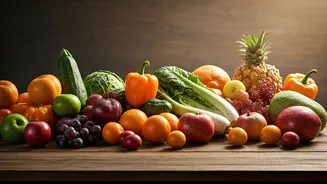
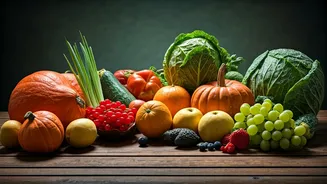
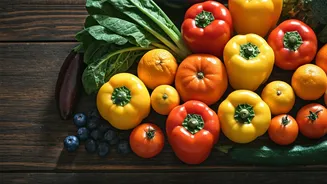
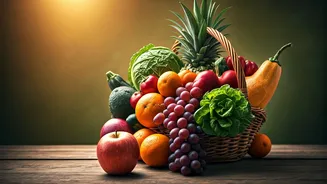
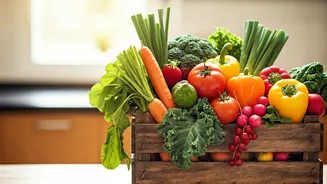
of life. Eating seasonally simply means choosing fruits and vegetables that are naturally harvested in the current climate. It’s a conscious move away from the modern supermarket’s promise of year-round strawberries and instead embracing the produce that is at its absolute peak in your local region, right now.
The Flavour and Nutrition Edge
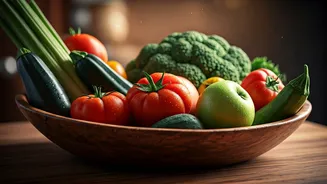
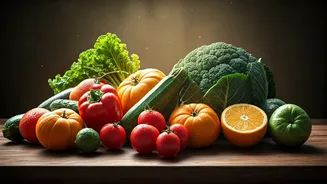
There’s a reason a winter carrot tastes sweeter and a summer tomato is more vibrant. When produce is allowed to ripen naturally on the plant and is picked at its peak, its nutritional content and flavour profile are at their zenith. Fruits and vegetables that are grown out of season or have to travel long distances are often harvested prematurely and artificially ripened with chemicals. This process diminishes their stores of vital nutrients like Vitamin C and antioxidants. Seasonal food, on the other hand, is fresher, tastier, and packed with the maximum possible goodness, offering your body exactly what it needs to cope with the demands of the current season.
The Hidden Cost of Convenience
Processed foods, from packaged snacks to frozen dinners, offer undeniable convenience. But this convenience comes at a price. These products are often loaded with sodium, unhealthy fats, refined sugars, and a long list of preservatives and artificial additives designed to extend shelf life. A diet high in such foods is increasingly linked to a host of lifestyle diseases, including obesity, diabetes, and heart conditions, which are on a concerning rise across India. By contrast, a meal prepared with fresh, seasonal ingredients gives you complete control over what goes into your body, eliminating hidden sugars and unhealthy extras.
Good for You, Good for the Planet
The benefits of seasonal eating extend far beyond your plate. When you buy local and seasonal produce, you are reducing your carbon footprint. These foods don't need to be transported across the country or the globe in refrigerated containers, a process that consumes enormous amounts of energy. Furthermore, you are directly supporting local farmers and contributing to your community's economy. Visiting a local farmers' market (mandi) not only connects you with the source of your food but also helps sustain agricultural practices that are often more diverse and environmentally friendly than large-scale monoculture farming.
How to Join the Movement
Making the switch doesn't have to be an overwhelming overhaul. Start small. The next time you go grocery shopping, take a moment to see what's abundant and fresh. Ask your local vegetable vendor what's in season. Plan a few meals a week around these items. You could even start a small kitchen garden on your balcony with seasonal herbs like mint and coriander. Be curious and explore regional recipes that celebrate seasonal produce. You’ll not only discover new flavours but also reconnect with a culinary wisdom that is both ancient and incredibly relevant today.