





The Great Absorption Debate
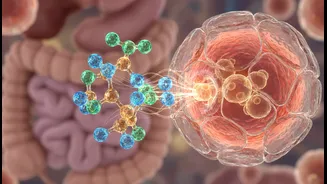
You may have heard the popular gym-lore that your body can only absorb 20-30 grams of protein in one meal. Anything more, the myth goes, is wasted. The good news? Science has largely debunked this idea. The body is quite efficient and can absorb virtually
all the protein you eat from a single meal, even if it's a very large portion. The real question isn't about absorption, but about utilisation—specifically, how much protein your body can use for muscle repair and building at one time. While your body will absorb a large steak or a massive protein shake, it will just take longer, and the excess amino acids may be used for other purposes, like energy production, rather than muscle synthesis.
Not All Proteins Are Created Equal
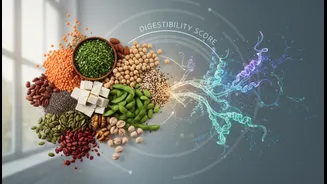
The source of your protein plays a significant role in how well your body can use it, a concept known as bioavailability. Animal-based proteins like whey, eggs, meat, and fish are considered 'complete' proteins, containing all nine essential amino acids, and are generally more easily absorbed and utilised by the body. Whey protein, in particular, is known for its high bioavailability and rapid absorption rate. Plant-based proteins from sources like lentils, beans, and grains can be excellent, but many are 'incomplete', meaning they lack one or more essential amino acids. For those on a plant-based diet, it’s beneficial to eat a variety of sources to ensure you're getting a full amino acid profile.
Your Gut Is the Gatekeeper
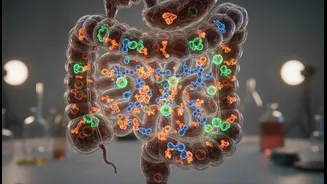
Effective protein absorption starts in the gut. Your digestive system needs to be in top shape to break down protein into usable amino acids. Factors like low stomach acid or a lack of digestive enzymes can hinder this process. Furthermore, the health of your gut microbiome—the trillions of bacteria living in your digestive tract—is crucial. An imbalance in gut bacteria or conditions like Irritable Bowel Syndrome (IBS) can impair your ability to absorb nutrients properly. Incorporating probiotic-rich fermented foods like yogurt or kimchi can support a healthy gut environment and, in turn, enhance protein digestion.
Smart Ways to Boost Absorption
Beyond choosing high-quality proteins, there are several simple strategies to maximise what your body takes in. Spreading your protein intake throughout the day, aiming for 25-40 grams per meal, appears to be optimal for supporting muscle protein synthesis. Pairing your protein with other nutrients can also help. Eating carbohydrates along with protein can aid in the absorption of amino acids into your muscles. Also, don't overcook your protein, as excessively high heat can make it harder to digest. Finally, simple things like chewing your food thoroughly and staying hydrated can significantly improve the entire digestive process.
Age and Lifestyle Factors
Your body's ability to process protein isn't static; it changes throughout your life. As we age, our digestive systems can become less efficient, and we may experience a phenomenon known as 'anabolic resistance', meaning the body requires more protein to stimulate muscle growth. Therefore, older adults may benefit from slightly higher protein intake and ensuring it comes from highly bioavailable sources. Your activity level also matters. Exercise, particularly resistance training, makes your body more receptive to protein absorption, especially in the window after a workout. Stress and excessive alcohol consumption can also negatively impact gut health and hinder absorption.