




The Science of Lost Sight
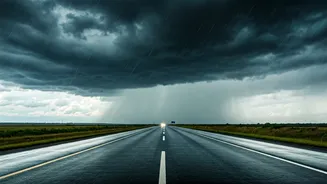
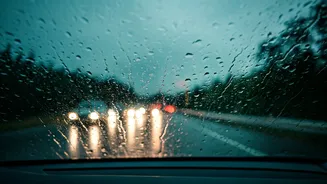
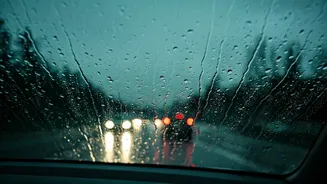
Driving safely is almost entirely dependent on visibility. When rain and darkness combine, they attack this crucial sense in several ways. Raindrops on your windshield distort light and blur your vision, an effect made worse by old or worn-out wiper blades.
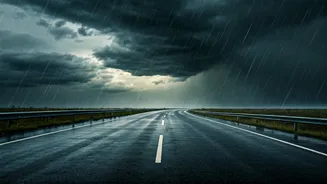
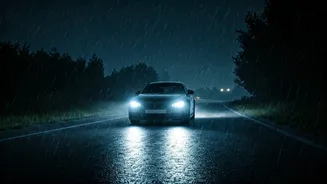
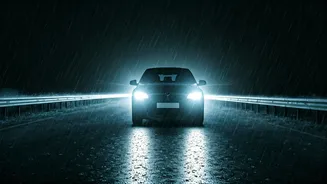
[3] At night, the problem intensifies. Wet roads create mirror-like surfaces that cause severe glare from oncoming headlights and streetlights, reducing contrast and making it difficult to judge distances or spot hazards. [3] Furthermore, the rain in the air scatters and weakens the beam from your own headlights, reducing how far you can see. [2] This is often compounded by fog, which can form in rainy conditions, further reducing your ability to see other cars, pedestrians, or markings on the road. [2, 6] The combination of glare, reduced contrast, and distorted light can impact depth perception and peripheral vision, making it harder to react in time. [3, 11]
The Statistical Reality in India
While data from the Ministry of Road Transport and Highways (MoRTH) indicates that the majority of accidents in India happen in clear, sunny weather, this is often attributed to higher speeds and greater traffic volumes. [16] However, adverse weather still plays a significant role. According to the 2022 MoRTH report, rainy conditions accounted for 8.2% of total accidents, with another 7.4% in foggy weather. [16] A study focusing on a large Indian metropolitan area found that 12.8% of total crashes occurred on wet days. [19] The real danger lies in the severity of accidents at night. Even though fewer accidents may happen after dark, their severity (the number of deaths per 100 accidents) is often higher due to factors like higher speeds on emptier roads and delays in getting medical help. [14] The risk of an accident can increase by 30% or more in low visibility conditions. [7]
Before You Turn the Key
Preparation is your first line of defence. Before heading out into a rainy night, conduct a quick vehicle check. Ensure your tyres have adequate tread depth (at least 1.6-2mm is recommended) and are properly inflated; worn tyres drastically reduce grip on wet surfaces. [15, 20] Check that all your lights are working—headlights, taillights, brake lights, and indicators. They are not just for you to see, but for others to see you. [9, 10] Your windshield wipers are critical; replace blades that leave streaks or don't clear the glass effectively. [9] Finally, make sure your car's defogger or air conditioning system is working properly. The humidity from rain can quickly fog up your windows from the inside, dangerously reducing visibility. [13, 20]
On the Road: Defensive Driving Tactics
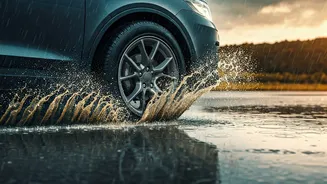
Once you're driving, adjust your habits for the conditions. The most important rule is to slow down. It is often advised to reduce your speed by about one-third on wet roads. [10, 15] This is crucial to avoid hydroplaning, where your tyres lose contact with the road and skid on a layer of water. [9] Increase your following distance significantly, adding at least one to two seconds to your usual gap to account for increased braking distances on slick surfaces. [7, 10] Use your low-beam headlights to improve your visibility and help other drivers see you. [15] Avoid using high beams, as the light will reflect off the raindrops and can blind oncoming drivers or even reduce your own visibility. [2, 23] Be gentle and deliberate with your steering, braking, and acceleration to avoid skidding. [10, 22] Never use cruise control in wet conditions, as you need to be in full control to react to a potential loss of traction. [9, 10]
Navigating Unique Indian Road Hazards
Driving in India during the monsoon presents specific challenges. Waterlogged roads can hide deep potholes, debris, or open manholes. It's best to avoid driving through standing water if possible. If you must, proceed at a low, steady speed. [15, 23] Be particularly cautious of the spray from larger vehicles like buses and trucks, which can momentarily blind you. [15] After driving through a waterlogged area, tap your brakes lightly a few times to help dry them out and ensure they are effective. [17] With road markings often being poor or non-reflective, the reduced visibility at night in the rain makes it even harder to stay in your lane. Always be prepared for unpredictable traffic, including pedestrians and two-wheelers who may be harder to spot. If visibility becomes so poor that you can no longer see the vehicles ahead, the safest action is to pull over to a safe location, turn on your hazard lights, and wait for the rain to subside. [10, 23]