




A lush balcony garden is a joy, but tiny pests can quickly turn your green oasis into a battleground. Before reaching for harsh chemicals, consider a powerful, natural alternative: neem oil. Here's how to use it safely and effectively.
What is Natural Neem Oil?
Neem oil is a vegetable
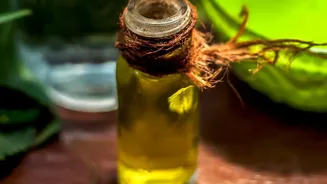
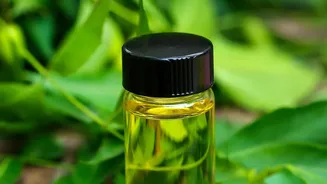
oil pressed from the seeds of the neem tree (Azadirachta indica), a plant native to India. For centuries, it has been a cornerstone of organic gardening and traditional medicine. Its power comes from a compound called azadirachtin, which is highly effective against a wide range of common garden pests. Unlike synthetic pesticides that deliver a chemical strike, azadirachtin works by disrupting the life cycle of insects. It can prevent them from feeding, stop their growth, and inhibit their ability to reproduce, making it an eco-friendlier choice for managing infestations.
The Pests Neem Oil Controls
Neem oil is a versatile weapon for your balcony garden arsenal. It is particularly effective against small, soft-bodied insects that feed on plant foliage. Common culprits you can manage with neem oil include aphids, spider mites, mealybugs, whiteflies, thrips, and fungus gnats. It works in a few ways: as an antifeedant, it makes leaves unpalatable; as a hormone disruptor, it messes with growth and reproduction; and as an oil, it can coat and suffocate small insects and their eggs on contact. It can also help manage fungal issues like powdery mildew by coating the spores and preventing their spread.
Your Simple DIY Spray Recipe
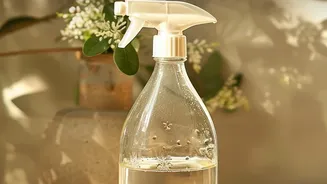
Mixing your own neem oil spray is easy and ensures you are using a fresh, potent solution. Pre-bottled sprays can lose their effectiveness over time as the active ingredients degrade. To make a basic, effective spray, you only need three ingredients. For one litre of spray, combine 1 teaspoon of 100% cold-pressed neem oil with about ½ teaspoon of a mild liquid soap (like castile soap or a gentle dish soap) in a spray bottle. Top it up with one litre of warm water. The soap acts as an emulsifier, allowing the oil and water to mix properly. Shake the bottle vigorously before and during application to keep the mixture from separating.
How to Apply It Correctly
Timing and technique are crucial for success. Always apply neem oil in the early morning or, preferably, late evening. This is important because spraying in direct sunlight can cause the oil to heat up and burn the plant’s leaves. It also minimises contact with beneficial pollinators like bees, which are less active at these times. Before spraying the entire plant, it's wise to do a 'patch test' on a single leaf and wait 24 hours to check for sensitivity. When you're ready to spray, ensure you get complete coverage, paying special attention to the undersides of leaves where pests love to hide and lay eggs.
Frequency and Final Precautions
Neem oil is not an instant poison; it works by breaking the pest life cycle, which requires patience and consistency. For an active infestation, you may need to apply the spray every 5 to 7 days until the pests are gone. For prevention during peak growing seasons, a spray every 14 days is often sufficient. While it's natural, take some basic precautions. Avoid using it on very young seedlings or plants that are stressed from heat or a lack of water. Even though it's generally safe, keep the spray away from pets, and never dispose of excess solution near ponds or waterways, as it can be moderately toxic to fish and aquatic life.