



Start with a Fluid Foundation
Before placing a single piece of furniture, consider the flow of your space. A Zen home mimics the effortless movement of water. This means creating clear, unobstructed pathways that allow energy—and you—to move freely. Avoid blocking doorways or creating tight
squeezes around furniture. Think of your daily path from the bedroom to the kitchen; it should feel like a gentle stream, not a cluttered obstacle course. This foundational principle of simplicity is about subtraction: what can be removed to make movement more intuitive and graceful? A clear path creates a sense of openness and mental clarity, setting the stage for a truly tranquil environment.
Incorporate Living Hydration
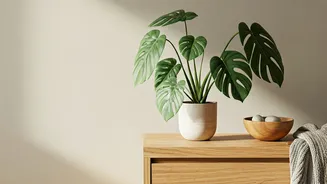
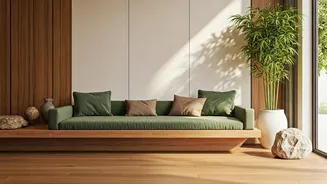
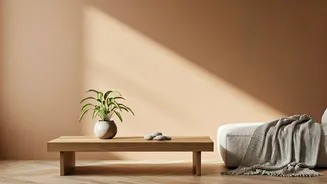
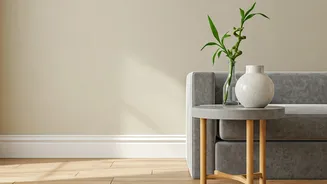
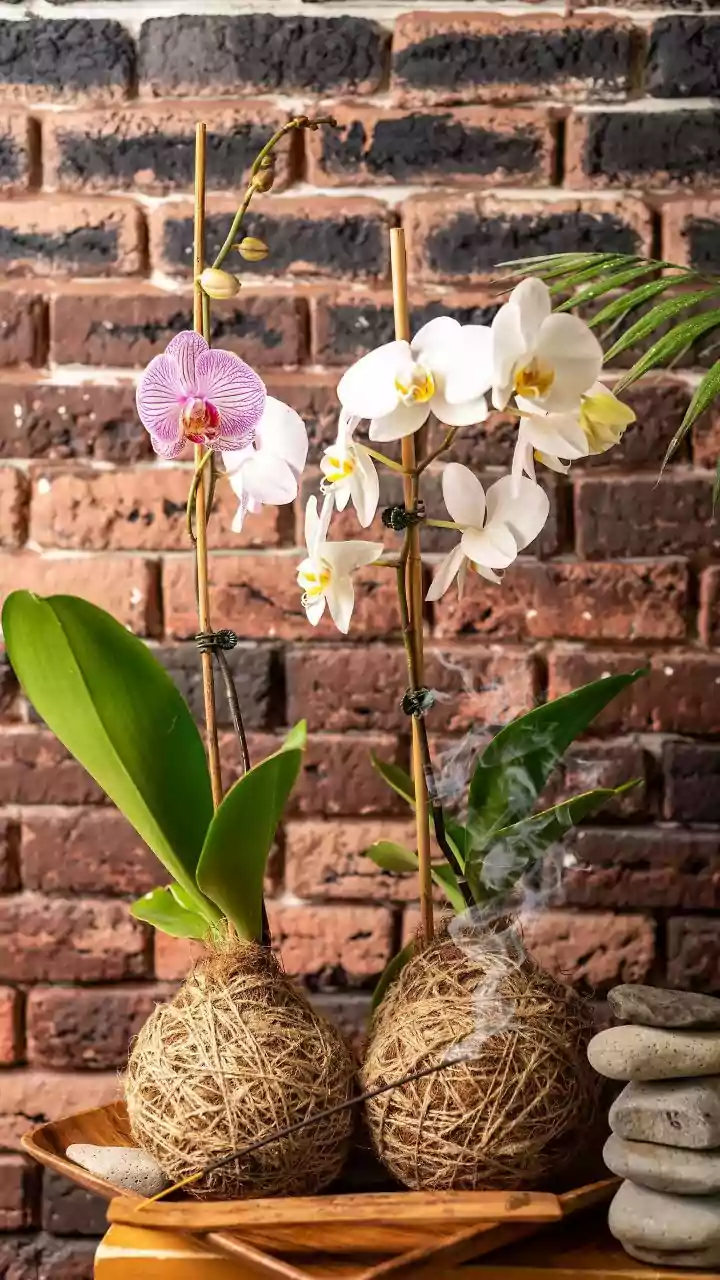
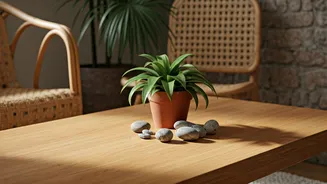
The most literal and effective way to bring 'hydration' into your home is through living plants. They are nature’s air purifiers and humidifiers, physically improving the quality of your space while adding a vital, organic element. For a minimal Zen aesthetic, opt for plants with simple, elegant forms. A tall Fiddle Leaf Fig in a corner, a snake plant with its clean vertical lines, or the delicate fronds of a maidenhair fern can add life without adding clutter. The key is intention. Choose just a few healthy, well-cared-for plants in simple ceramic or terracotta pots. Their presence is a quiet reminder of growth, nature, and the cycle of life.
Choose a Water-Inspired Palette
Colour has a profound impact on mood. To evoke a sense of hydration and calm, draw your palette from nature's water sources. Think of the soft, misty greys of a foggy morning, the deep blues of a still lake, the pale greens of river stones, or the clean whites of a crashing wave. These colours are inherently soothing and create a cohesive, peaceful backdrop. Use them on walls, in textiles, and for larger furniture pieces. You don't need to drench your home in blue; a neutral base of off-white or beige, accented with these watery hues, creates a sophisticated and balanced look that feels both clean and deeply calming.
Embrace Natural Light and Reflection
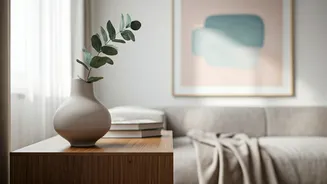
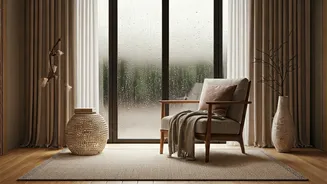
Light is the visual equivalent of hydration—it energizes, clarifies, and enlivens a space. Maximize natural light by keeping window treatments minimal. Simple, sheer linen curtains can diffuse harsh sunlight into a soft, ethereal glow while maintaining privacy. Beyond windows, use reflective surfaces strategically to bounce light around the room. A well-placed mirror can not only make a space feel larger but also capture and multiply the available light. Similarly, a glass vase, a polished metal object, or even a simple bowl of water can act as a focal point that catches the light and adds a subtle, shimmering quality to your decor, much like sunlight on a water's surface.
Select Materials with Natural Honesty
Zen philosophy values authenticity and the beauty of natural materials. To ground your simple, hydrated space, choose furniture and textiles made from honest elements. Think of smooth, light-toned woods like beech or maple, the cool touch of stone or slate, and the soft, breathable textures of linen, cotton, and wool. These materials connect us to the natural world and age gracefully, often developing a patina that adds character over time. Avoid synthetic, shiny plastics and instead opt for items that feel good to the touch. This tactile simplicity enhances the sensory experience of your home, making it a true sanctuary.
Declutter for Mental Clarity
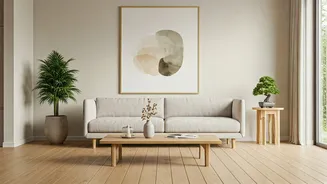
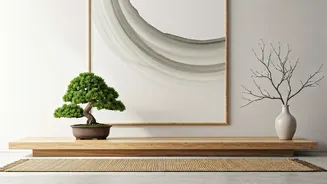
Simplicity is impossible without decluttering. In a Zen framework, a clear space equals a clear mind. This isn't about stark emptiness but about mindful curation. Every object in your home should have a purpose, bring you joy, or be genuinely beautiful. The practice of 'Ma', a Japanese concept for negative space, teaches us that the emptiness between objects is just as important as the objects themselves. By removing visual noise—excessive trinkets, piles of paper, unused gadgets—you allow your home and your mind to breathe. Create elegant storage solutions to hide away necessities, ensuring that what remains on display is intentional and contributes to a sense of peace.