



The Age of Ultimate Convenience
The most visible driver of change is undoubtedly the digital transformation of dining. Food delivery platforms like Zomato and Swiggy are no longer just an option; they have become a fundamental part of the urban food ecosystem. For many restaurants,
these apps now generate a significant portion of their business, fundamentally altering the economics of the industry. This shift has made eating an on-demand activity, freeing consumers from the constraints of meal prep and dining schedules. The expectation of speed and ease has been further intensified by the rise of quick commerce, where groceries and daily essentials arrive in minutes. This culture of immediacy means waiting is no longer part of the equation for many shoppers. This convenience, however, has also reshaped what we eat. Studies suggest that the rise of delivery apps has been linked to increased caloric intake and reduced dietary diversity for some users, even as it democratises access to a wider variety of restaurants.
Health Becomes the Main Ingredient
Beyond convenience, a powerful movement toward health and wellness is reshaping purchasing decisions. Urban consumers are paying closer attention than ever to what they put into their bodies. There is a growing demand for 'clean label' products with simple, recognisable ingredients and minimal processing. This has fuelled the rise of functional foods—items that offer benefits beyond basic nutrition, such as supporting gut health, boosting immunity, or providing sustained energy. This trend is not about restrictive dieting but about making smarter, more informed choices. Shoppers are actively seeking out high-protein snacks, and ingredient transparency has become a major factor in brand loyalty. Traditional Indian ingredients like millets, turmeric, and amla are being rediscovered and rebranded as superfoods, finding their way into everything from breakfast cereals to functional beverages. Millets are replacing refined flours, makhana is becoming a preferred alternative to fried snacks, and Greek yoghurt is edging out sugary desserts.
A Renaissance of Regional and Local Flavours
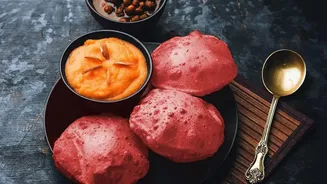
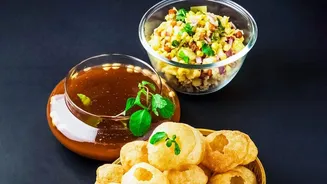
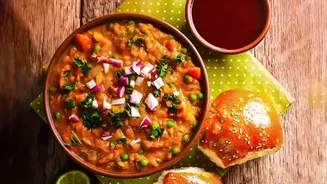
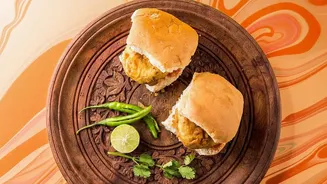
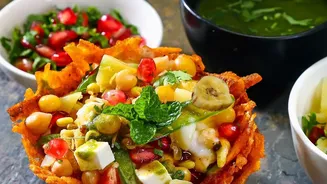
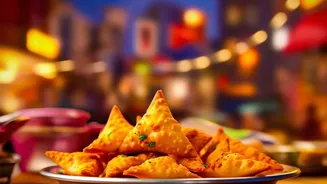
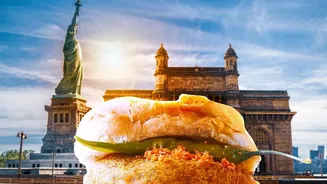
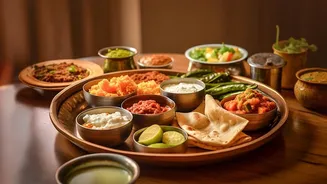
In a fascinating counterpoint to globalised fast food, urban Indians are increasingly seeking authenticity and cultural connection in their meals. This has sparked a renaissance for regional cuisines. Consumers are moving beyond generic North or South Indian fare, developing an appetite for the specific flavours of cuisines from Bengal, Maharashtra, and other regions. This has created a massive opportunity for local restaurants and food entrepreneurs who can offer authentic, nostalgic, and culturally rooted experiences. This desire for authenticity is also fuelling the explosive growth of direct-to-consumer (D2C) brands. These homegrown startups are leveraging digital platforms to connect directly with customers, offering niche products that larger companies often overlook. From single-origin coffee to artisanal snacks, these brands build strong emotional connections by representing familiarity and local taste.
New Business Models for a New Consumer
The evolution of eating habits has been matched by an evolution in business models. The rise of D2C brands is a structural shift, with India’s D2C market projected to reach USD 100 billion by 2025. These nimble brands can collect direct feedback and adapt to changing preferences far more quickly than traditional FMCG giants. In fact, many established corporations are now acquiring successful D2C brands to tap into their growth and consumer insights. Alongside this, the restaurant industry is adapting with models like cloud kitchens or 'ghost kitchens'. These delivery-only establishments reduce the high overheads of a traditional restaurant, allowing chefs and entrepreneurs to launch new concepts and cater to specific neighbourhood demands with greater agility. While this ecosystem presents challenges, particularly around high app commissions for small players, it has undeniably lowered the barrier to entry and fostered a wave of culinary innovation.