







1. Master the Art of the Freezer
Your freezer is the single most powerful tool for saving money on fruit. When you see a great sale on berries, peaches, or mangoes, buy in bulk. Go home, wash and dry them thoroughly, chop larger fruits, and lay them on a parchment-lined baking sheet
to freeze individually. Once solid, transfer them to a freezer-safe bag or container. This prevents them from clumping into an unusable ice block. Frozen fruit is perfect for smoothies, oatmeal toppings, baked goods like muffins and crumbles, or even blended into a simple 'nice cream' for a healthy dessert. You get peak-season flavor at a low price, available whenever you want it.
2. Know Your Ethylene Producers
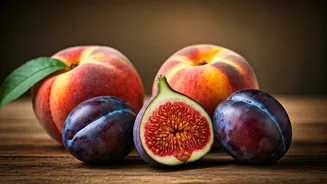
Some fruits produce a natural gas called ethylene as they ripen, which causes other nearby produce to ripen (and spoil) faster. The biggest culprits are apples, bananas, cantaloupes, and stone fruits like peaches and plums. Store these items by themselves. Keep your bananas away from your other fruit on the counter. Don't store your apples in the same crisper drawer as your leafy greens or carrots unless you want them to go limp prematurely. Conversely, you can use this to your advantage: need to ripen a hard avocado or pear quickly? Pop it in a paper bag with a banana or apple for a day.
3. The End-of-Day Farmers Market Run
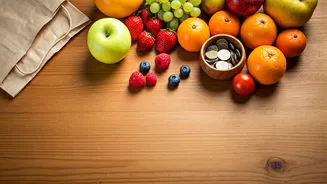
A trip to the farmers market is great for freshness, but it isn't always seen as the cheapest option. The secret is timing. Visit the market during the last 30-60 minutes of the day. Many vendors would rather sell their remaining produce at a discount than pack it all up to take home, especially perishable items like berries. You can often snag a great deal on a full flat of strawberries or a slightly bruised but still delicious bag of peaches. It’s a win-win: you save money, and the farmer reduces their waste.
4. Stop Washing Your Berries Early
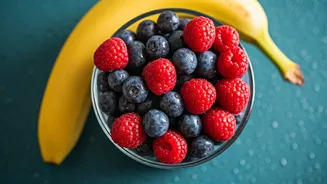
It’s tempting to come home from the store and wash all your produce at once. For berries, this is a fatal mistake. Moisture is the enemy of fresh berries, encouraging mold and decay. The delicate skins of strawberries, raspberries, and blueberries are highly susceptible. The best practice is to store them in their original container in the fridge and wash them only right before you plan to eat them. If you want to extend their life even further, transfer them to a container lined with a paper towel to absorb excess moisture, and don't seal the lid completely to allow for some air circulation.
5. Give Sad Fruit a Second Life
Don't toss that slightly soft apple, wrinkly pear, or bruised banana. Overripe fruit is just fruit with concentrated sugars, which makes it perfect for certain applications. Soft apples and pears can be cooked down into applesauce or fruit butter. Those brown, mushy bananas are the gold standard for banana bread, muffins, or pancakes. Berries that are a day past their prime can be simmered on the stove with a little water and a squeeze of lemon to create a delicious, vibrant sauce for yogurt, ice cream, or waffles. Learning to see 'imperfect' as 'opportunity' is a core principle of a frugal kitchen.
6. Use the Whole Thing
We often throw away parts of the fruit that are perfectly edible and flavorful. Citrus zest—the colorful outer layer of lemons, limes, and oranges—is packed with essential oils. Before you juice a lemon, grate off the zest and freeze it to add a bright flavor punch to dressings, marinades, or baked goods. Watermelon rinds can be pickled for a tangy, crunchy condiment. Even strawberry tops can be infused in water or vinegar for a subtle, fruity flavor. By using the whole fruit, you're not just reducing waste; you're getting more value and flavor from every single purchase.