






Dubai's Ambitious AI Strategy
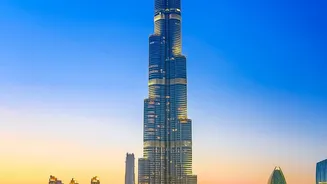
Dubai isn't just building skyscrapers; it's building a future powered by artificial intelligence. The UAE's National AI Strategy 2031 is an ambitious roadmap aiming to integrate AI across all sectors of the economy and government. The goal is to become
a world leader in AI by 2031, boosting the economy significantly and making government services smarter and more efficient. To achieve this, the UAE needs a massive influx of skilled professionals. Recognizing that this talent isn't available domestically in sufficient numbers, Dubai has turned its focus abroad, with India being a primary source for recruitment. Initiatives like a proposed AI corridor between Dubai and Bengaluru highlight the strategic importance of this relationship.
The Golden Handshake: Visas and Salaries
The primary lure for many Indian professionals is the powerful combination of high, tax-free salaries and long-term residency. An AI engineer in Dubai can expect a median salary that is highly competitive on a global scale, and with 0% personal income tax, the take-home pay often surpasses that of similar roles in Europe or the US. The UAE has also streamlined its visa process to attract top talent. The 10-year renewable Golden Visa is a significant draw, offering stability and flexibility. To qualify, AI professionals typically need a relevant degree and a minimum monthly salary of AED 30,000, a threshold many in the field can meet. This visa allows them to live and work in the UAE without being tied to a single employer, a major advantage for career mobility.
More Than Just a Job
Beyond the financial incentives, Dubai offers a high quality of life that is a major draw for Indian expatriates. The city is renowned for its safety, world-class infrastructure, and cosmopolitan environment. For many, it's a home away from home, with a large Indian community, numerous Indian restaurants, and places of worship. The work culture is also evolving, with many companies adopting a four-and-a-half-day workweek, contributing to a better work-life balance. The global exposure and the opportunity to work on cutting-edge projects in a city that prides itself on innovation are also significant factors that attract ambitious professionals.
The Reality Check: High Costs and a Transient Culture
However, life in the desert metropolis is not without its difficulties. The most significant challenge is the high cost of living. While salaries are high, so are expenses, particularly for housing, schooling, and healthcare. Rent for even a modest apartment can be substantial. The work environment can also be a mixed bag. While many enjoy the professional atmosphere, some report a work culture that can be more stressful than in India, with long hours and high pressure. There's also the issue of a transient expatriate community, which can make it difficult to form lasting connections. Another concern is the so-called "citizenship penalty," where professionals from South Asia may be offered lower salaries than their Western counterparts for similar roles, although this is more prevalent at lower-to-mid levels.
Navigating a Different Professional Landscape
Adjusting to the work culture in Dubai requires an understanding of its unique blend of modernity and tradition. Business interactions often emphasize building personal relationships and trust before getting down to specifics. The workplace can be hierarchical, and respecting this structure is important. While English is the language of business, a multicultural environment means communication styles can vary, sometimes leading to misunderstandings that require patience and cultural sensitivity to navigate. For those looking to climb the ladder, some have reported a glass ceiling, finding it difficult to enter senior leadership roles, which are sometimes filled by headhunted talent from the West.