
A Dessert with a Royal Past
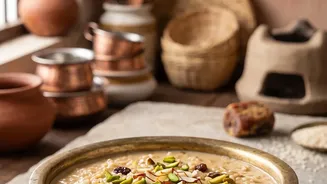
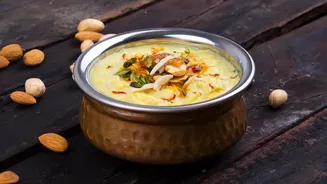
Shahi Tukda is a classic bread pudding with roots deep in Mughlai and Awadhi cuisines. Believed to have been brought to India during the 16th century, it was a favourite in the royal courts, often served at grand feasts and celebrations like Eid and Diwali.
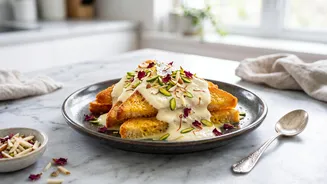
The dessert is made by frying bread slices in ghee until golden, soaking them in a fragrant sugar syrup, and then topping them with a creamy, thickened milk known as rabri. While its exact origins are debated, its status as a rich, festive indulgence is undeniable. The Hyderabadi variant, known as Double ka Meetha, is slightly different but shares a similar heritage.
Gathering Your Ingredients
The magic of Shahi Tukda lies in its simple yet luxurious ingredients. For Chef Brar's approach, you will need white bread slices, pure ghee for frying, milk, sugar, and aromatics like saffron and cardamom. The rabri is the soul of the dish. While traditional rabri is made by slowly reducing full-fat milk, Ranveer Brar offers an 'instant' version using condensed milk and crumbled bread for a quicker, yet still delicious, result. For garnishing, have blanched and sliced pistachios and almonds, rose petals, and perhaps even some silver leaf (varq) to give it that truly royal finish.
Creating the Golden 'Tukda'
The foundation of this dessert is the 'tukda' or piece of bread. Start by trimming the crusts from your bread slices, which ensures a uniform, soft texture that melts in your mouth. Cut the slices into triangles or any shape you prefer. The next step is crucial: frying. Heat pure ghee in a pan over a medium flame and fry the bread slices until they are an even, beautiful golden brown and perfectly crisp on both sides. This crispiness is key, as it prevents the bread from becoming soggy when soaked. Once fried, drain the slices on a paper towel to remove excess ghee.
Crafting the Creamy Rabri
The rabri provides a rich, creamy contrast to the crisp bread. For a traditional rabri, you would simmer full-fat milk in a heavy-bottomed pan, continuously scraping the cream from the sides and stirring until the milk reduces to about one-third of its volume before adding sugar and cardamom. For a faster method inspired by Chef Brar, you can create an instant rabri. This involves using the leftover milk syrup, adding condensed milk for sweetness and richness, and then blending in crumbled bread, saffron, and cardamom powder to achieve that signature granular texture quickly. A final touch of rose water, added off the heat, imparts a beautiful fragrance.
Assembling the Royal Dessert
With your components ready, it's time for assembly. First, prepare a simple milk or sugar syrup flavoured with saffron and cardamom. Gently dip each crisp, fried bread slice into the warm syrup. Be careful not to soak them for too long—just a quick dip is enough to absorb the sweetness without losing the crunch. Arrange the soaked bread slices neatly on your serving platter. Now, generously pour the prepared rabri over the bread, ensuring every piece is well-coated in the creamy mixture. The dessert can be served warm or chilled, depending on your preference.
Chef Brar’s Finishing Touches
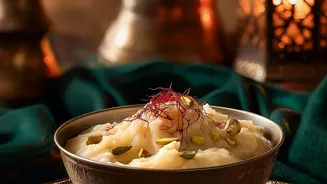
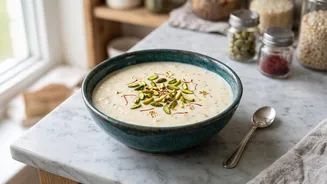
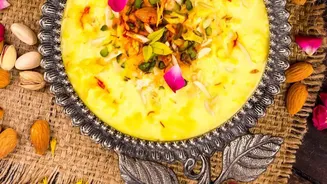
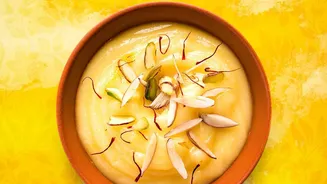
Presentation is everything for a dish named 'royal piece'. Garnish your Shahi Tukda with a sprinkle of sliced pistachios and almonds for a nutty crunch. A few delicate, dried rose petals add colour and a subtle floral aroma. For an extra touch of opulence, a few strands of saffron or a drizzle of saffron_infused milk can be added on top. Chef Ranveer Brar suggests that while the dish has royal origins, it was cleverly adapted from using malai (cream) to bread to make it more accessible, so don't be afraid to make it your own. Whether you chill it in the refrigerator for an hour or serve it warm, this dessert is a guaranteed showstopper.