






Resist the Urge to Rub
Your first instinct might be to grab the nearest towel and vigorously rub your hair dry. Resist this urge. Wet hair is incredibly fragile and more susceptible to breakage. Aggressive rubbing with a coarse bath towel roughens up the hair's outer layer,
the cuticle, which is the primary cause of frizz and tangles. This friction can lead to lasting damage that no amount of styling can truly fix. Instead of creating more problems, the first step is to be gentle. Your hair is in a vulnerable state, and a little patience at this stage will pay off immensely, leaving your strands smoother and healthier in the long run.
Gently Squeeze with a Softer Towel
The right way to remove excess water is by gently squeezing or blotting your hair. For best results, swap your standard cotton towel for a microfiber towel or even a soft, old t-shirt. These materials are much gentler on the hair cuticle and are highly absorbent, allowing them to draw out moisture effectively without causing friction. Work in sections, squeezing from the roots to the ends. This simple switch can dramatically reduce the amount of frizz and prevent the breakage that often happens when handling sopping wet hair.
Cleanse to Remove Pollutants
Monsoon rainwater isn't as pure as it looks. Especially in urban areas, it can be acidic and carry dust, grime, and pollutants from the atmosphere. Letting this residue sit on your scalp can disrupt its pH balance, leading to irritation, itchiness, and even fungal infections like dandruff. The high humidity already makes the scalp a breeding ground for bacteria, so it's wise to wash your hair soon after getting drenched. Use a mild, clarifying shampoo to gently remove impurities without stripping your scalp of its natural oils. Think of it as a necessary reset for your scalp.
Don't Skip the Conditioner
After cleansing, applying a conditioner is a non-negotiable step. Shampooing cleans the hair, but conditioner helps to seal the hair cuticle, lock in moisture, and restore smoothness. This is especially important after exposure to rainwater, which can leave hair feeling rough and tangled. A good conditioner replenishes lost moisture and makes hair easier to detangle, further preventing breakage when you comb it. Apply it from the mid-lengths to the ends, where hair is typically the driest, and leave it on for a few minutes before rinsing.
The Smart Way to Blow-Dry
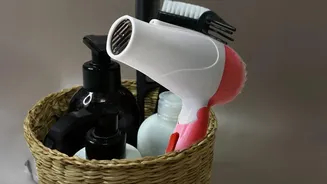
If you need to dry your hair quickly, using a blow-dryer is an option, but it must be done correctly. Always apply a heat protectant spray or serum first to shield your strands from damage. The golden rule is to use low heat and a low speed setting. High heat can essentially boil the water within your hair strands, leading to brittleness. Keep the dryer moving and maintain a safe distance from your hair. For a smoother finish, point the nozzle downwards to help seal the cuticle. It's often best to let your hair air dry until it's about 70-80% dry before finishing with the blow-dryer.
The Art of Air-Drying
If you have the time, air-drying is the gentlest method. After blotting with a microfiber towel, use a wide-tooth comb to gently detangle any knots, starting from the ends and working your way up. Applying a leave-in conditioner or an anti-frizz serum to damp hair will help control frizz and add shine as it dries. To prevent your hair from drying flat, you can gently scrunch it to encourage natural texture or part it as you normally would. Avoid tying your hair up tightly while it's wet, as this can trap moisture against the scalp and lead to fungal issues and breakage.